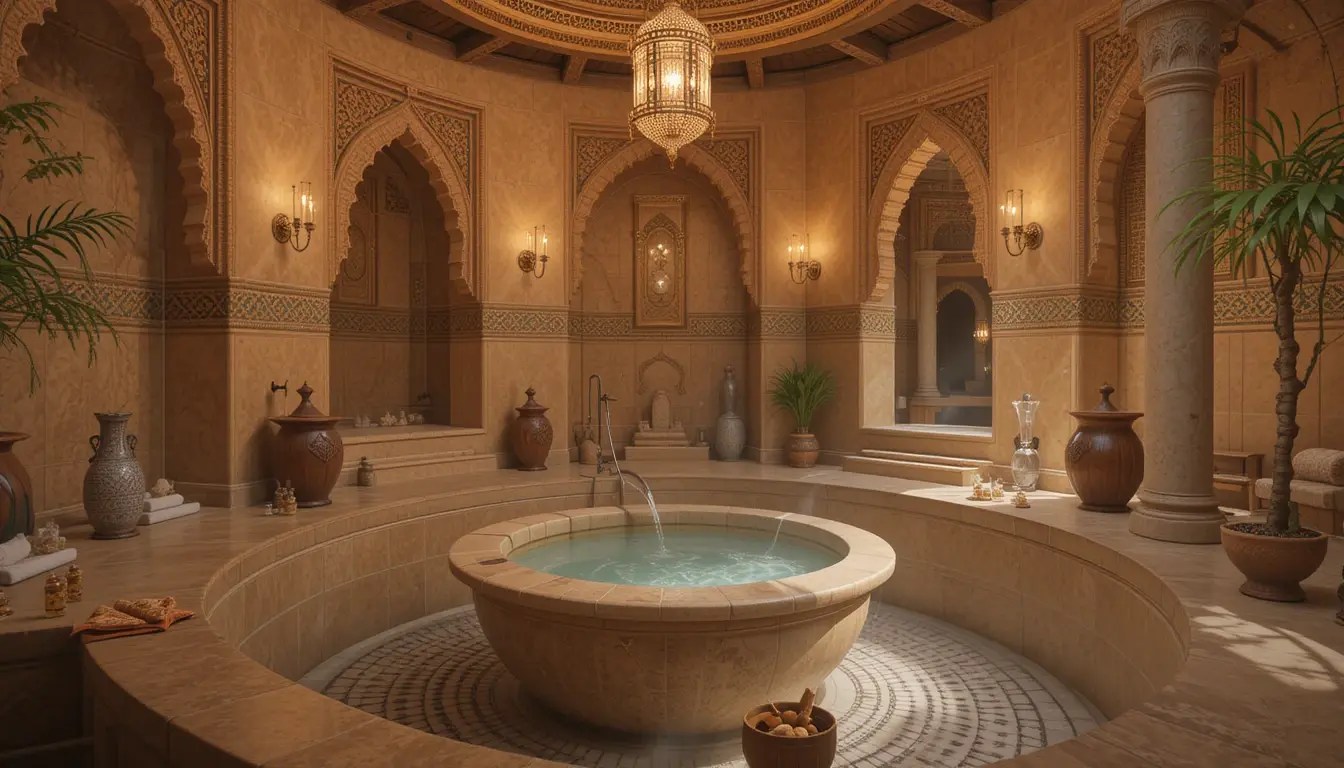
A Moroccan hammam is a traditional bathhouse experience that cleanses the skin and relaxes the body. It has been part of Moroccan culture for centuries. People visit hammams to remove dead skin, improve circulation, and relieve stress.
Experiencing a hammam involves several steps, including steam, exfoliation, and rinsing. Understanding the process helps visitors prepare and enjoy the full benefits. Knowing what to expect makes the experience comfortable and rewarding.
Understanding the Moroccan Hammam
What is a Hammam?
A hammam is a steam bath that follows ancient bathing traditions. It is similar to a sauna but includes washing and scrubbing rituals. The process removes dirt and toxins while improving skin health.
Traditional hammams are found in Moroccan cities and towns. They serve as social spaces where people gather for relaxation and cleansing. Modern hammams offer a similar experience but with added comfort and privacy.
The Importance of Hammams in Moroccan Culture
Hammams hold a special place in Moroccan daily life, serving as centers for hygiene, relaxation, and social interaction. This centuries-old tradition, influenced by Roman and Ottoman bathhouses, continues to be an essential part of Moroccan culture. Locals and tourists alike visit hammams to unwind, cleanse their bodies, and experience the therapeutic benefits of steam baths and exfoliation rituals. These communal bathhouses provide a unique opportunity to connect with Moroccan traditions while enjoying a rejuvenating experience.
For travelers looking to experience authentic Moroccan culture, understanding the best times to visit Morocco can enhance their journey. In Moroccan society, hammams are especially significant during special occasions. Brides undergo a traditional hammam ritual before their wedding as a form of purification and relaxation. Families also visit hammams before religious holidays to cleanse and prepare for celebrations. Choosing the right time to travel ensures visitors can fully immerse themselves in Morocco’s rich traditions, vibrant festivals, and pleasant weather conditions.
Preparing for a Hammam Visit
What to Bring
Visitors need a few essential items for the hammam. Most traditional hammams require guests to bring their own supplies.
- A towel or bathrobe for drying off
- A kessa glove for exfoliation
- Black soap made from olive oil
- Shampoo and conditioner
- A clean set of clothes
Some modern hammams provide these items. Checking in advance helps visitors prepare properly.
Choosing the Right Hammam
There are two main types of hammams in Morocco. Public hammams are traditional and located in neighborhoods. Private hammams are found in hotels and spas.
Public hammams offer an authentic experience. They are affordable and follow traditional customs. Private hammams provide more comfort and privacy but may be expensive. Choosing depends on personal preference and budget.
The Hammam Experience
Step 1: Entering the Steam Room
The first step in the hammam process is the steam bath. The room is filled with warm, moist air that opens pores and softens the skin. The heat relaxes muscles and improves circulation.
Visitors sit and allow their bodies to adjust to the temperature. It is important to stay hydrated before entering to avoid dehydration. The steam prepares the skin for deep cleansing.
Step 2: Applying Black Soap
After steaming, visitors apply black soap to their skin. This soap is made from olive oil and has a smooth texture. It helps loosen dead skin cells and dirt.
The soap sits on the skin for a few minutes before the next step. It works best when combined with steam, allowing deep cleansing. Some hammams provide an attendant to help with application.
Step 3: Exfoliation with the Kessa Glove
Once the soap has settled, visitors use the kessa glove to scrub the skin. This glove removes dead skin and impurities. The scrubbing process can feel intense, but it leaves the skin soft and refreshed.
An attendant may assist with scrubbing in public hammams. They use firm pressure to remove buildup. After exfoliation, the skin appears smoother and brighter.
Step 4: Rinsing and Hair Washing
After exfoliation, visitors rinse their bodies with warm water. This removes soap and dead skin. Some hammams have large buckets of water, while others provide showers.
Hair washing follows the rinse. Many people bring their own shampoo and conditioner. The warm environment helps deep clean the scalp and hair.
Step 5: Relaxation and Hydration
After cleansing, visitors take time to relax. Some hammams offer massage services for additional relaxation. Sitting in a cool area helps the body adjust to normal temperature.
Drinking water or mint tea helps with hydration. The body loses fluids during the steam and exfoliation process. Proper hydration prevents dizziness and keeps the skin healthy.
Benefits of the Hammam Experience
Skin Health and Detoxification
Hammams deeply cleanse the skin. The steam opens pores, allowing toxins and dirt to leave the body. Exfoliation removes dead skin, making the skin look brighter.
Regular hammam visits improve skin texture and reduce acne. The process also helps prevent dry skin by promoting natural oil production. People with sensitive skin should use gentle exfoliation techniques.
Muscle Relaxation and Stress Relief
The warm steam relaxes muscles and relieves tension. Many people visit hammams after long days to reduce stress. The heat improves blood circulation, helping with muscle recovery.
Hammams also promote better sleep. The combination of steam, exfoliation, and hydration calms the nervous system. People feel refreshed and relaxed after a session.
Tips for First-Time Visitors
Respecting Hammam Etiquette
Hammams have traditions that visitors should follow. It is important to respect local customs.
- Speak softly to maintain a peaceful atmosphere
- Follow hygiene rules by washing before entering the steam room
- Wear appropriate attire, such as swimwear or a towel, depending on the hammam’s rules
Observing others helps visitors understand the customs. Following etiquette ensures a comfortable experience for everyone.
Knowing the Best Time to Visit
Mornings and evenings are the best times to visit hammams. They are less crowded during these hours. Weekends and religious holidays tend to be busier.
Women and men have separate visiting hours in traditional hammams. Checking the schedule in advance helps avoid confusion. Private hammams offer flexible timing for convenience.
Conclusion
Experiencing a Moroccan hammam provides deep cleansing, relaxation, and cultural insight. The process includes steam, black soap application, exfoliation, and rinsing. Regular hammam visits improve skin health and relieve stress.
Understanding hammam etiquette and preparation ensures a smooth experience. Choosing between public and private hammams depends on personal comfort and budget. A well-planned visit allows visitors to enjoy the full benefits of this traditional bathing ritual.
 Innovative Minds