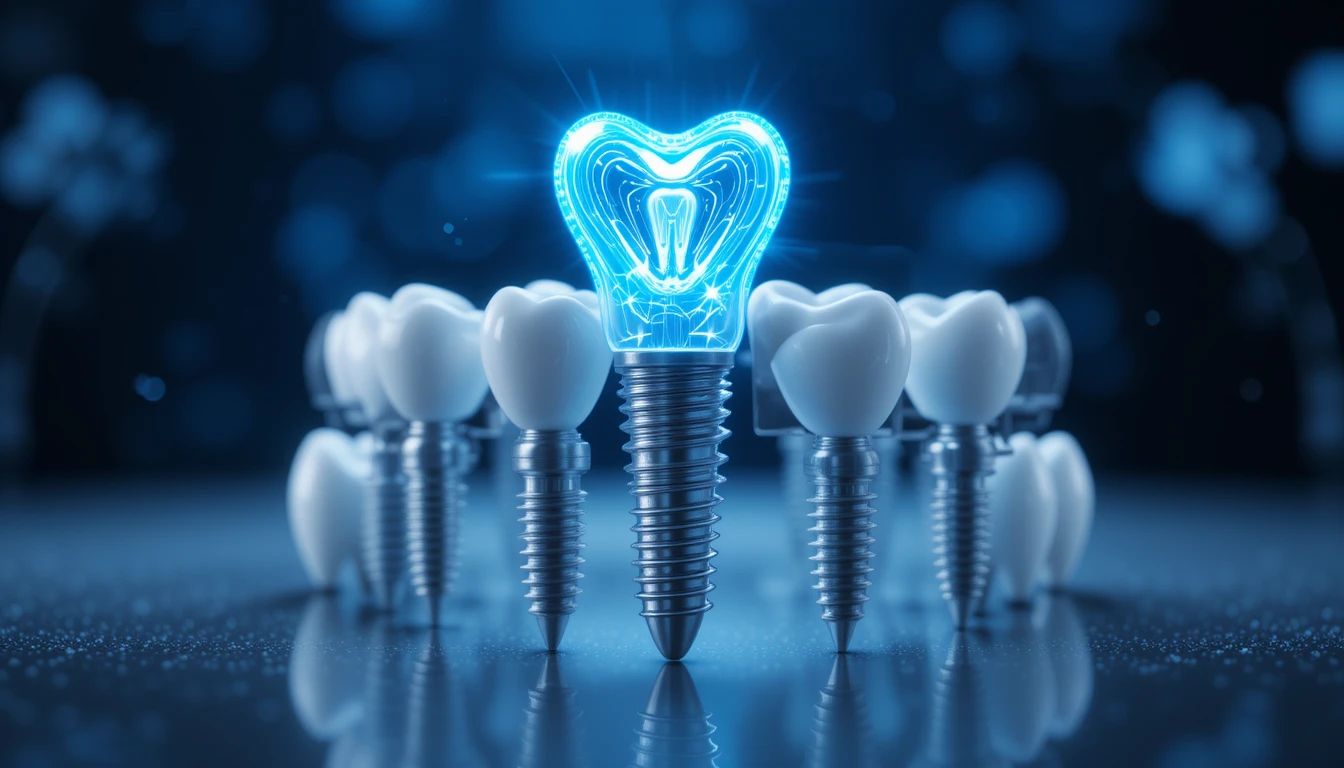
Dental implants are a popular solution for replacing missing teeth. They provide a long-term option that looks and feels natural. Many people choose implants because they improve both appearance and oral health.
Despite their popularity, there are many facts about dental implants that people do not know. This article explores ten surprising facts about dental implants, covering their benefits, history, and functionality.
1. Dental Implants Have a High Success Rate
Dental implants are one of the most successful dental procedures available today. Studies show that the success rate is around 95 per cent.
Success depends on factors such as proper placement, good oral hygiene, and overall health. People who take care of their implants can expect them to last for decades without problems.
2. Implants Prevent Bone Loss
When a tooth is missing, the jawbone in that area begins to shrink. This occurs because the bone needs stimulation from a tooth root to remain strong.
Dental implants replace the root of a missing tooth. They stimulate the jawbone and prevent bone loss. This helps maintain the structure of the face and prevents a sunken appearance.
3. Implants Are Made from Biocompatible Materials
Most dental implants are made from titanium. This metal is biocompatible, meaning the body accepts it without issues.
Titanium allows the implant to fuse with the jawbone in a process called osseointegration. This makes the implant stable and secure. Some implants are also made from zirconia, which is another strong and biocompatible material.
4. Implants Function Like Natural Teeth
Unlike dentures, which can slip or cause discomfort, dental implants function like real teeth. They allow people to eat, speak, and smile with confidence.
The strength of an implant comes from its connection to the jawbone. This stability means people do not have to worry about their implants moving or falling out.
5. Implants Have Been Used for Thousands of Years
Modern dental implants were developed in the 20th century, but the concept is much older. Evidence shows that ancient civilisations used materials like shells and stones to replace missing teeth.
The first titanium dental implant was placed in 1965. Since then, technology has improved, making implants safer and more effective.
6. Implants Can Last a Lifetime
Unlike other tooth replacement options, dental implants can last a lifetime with proper care.
Regular brushing, flossing, and dental check-ups help keep implants in good condition. Avoiding habits like smoking also increases the lifespan of an implant.
7. Implants Do Not Require Special Maintenance
Some people believe that dental implants need special cleaning products or routines. In reality, they require the same care as natural teeth.
Brushing twice a day, flossing, and visiting the dentist regularly help maintain implants. Using a soft-bristled toothbrush and non-abrasive toothpaste protects the surrounding gum tissue.
8. Dental Implants Can Improve Speech
Missing teeth or ill-fitting dentures can significantly impact speech, making certain sounds difficult to pronounce. Gaps in the teeth alter tongue placement, leading to slurred or unclear speech. Loose dentures can shift while speaking, causing discomfort and reducing confidence in social interactions. These challenges often make people self-conscious, affecting their overall communication and quality of life.
A long-term solution to these issues is dental implants by Hesed Dental, which provide a stable and natural-feeling replacement for missing teeth. Unlike traditional dentures, implants are securely anchored to the jawbone, preventing unwanted movement while talking or eating. Many patients who opt for dental implants notice a significant improvement in their speech, along with enhanced comfort and confidence. Additionally, implants help preserve jawbone structure and support overall oral health, making them a reliable and aesthetically pleasing option for tooth replacement.
9. Implants Do Not Decay
Natural teeth can develop cavities, but dental implants do not decay. The materials used in implants are resistant to bacteria and plaque.
However, good oral hygiene is still important. The gums around an implant can become infected if they are not cared for properly. This condition, called peri-implantitis, can lead to implant failure.
10. Implants Can Support Multiple Teeth
Many people think that dental implants replace single teeth only. In reality, implants can support multiple teeth, including full sets.
Dentists use implants to hold bridges and dentures in place. This provides a strong and permanent alternative to traditional removable dentures.
Conclusion
Dental implants offer many benefits beyond tooth replacement. They protect the jawbone, improve speech, and last for decades. Advances in dental technology have made implants more accessible and effective.
People considering dental implants should consult a qualified dentist. With proper care, implants provide a lifetime of comfort and confidence.
 Innovative Minds