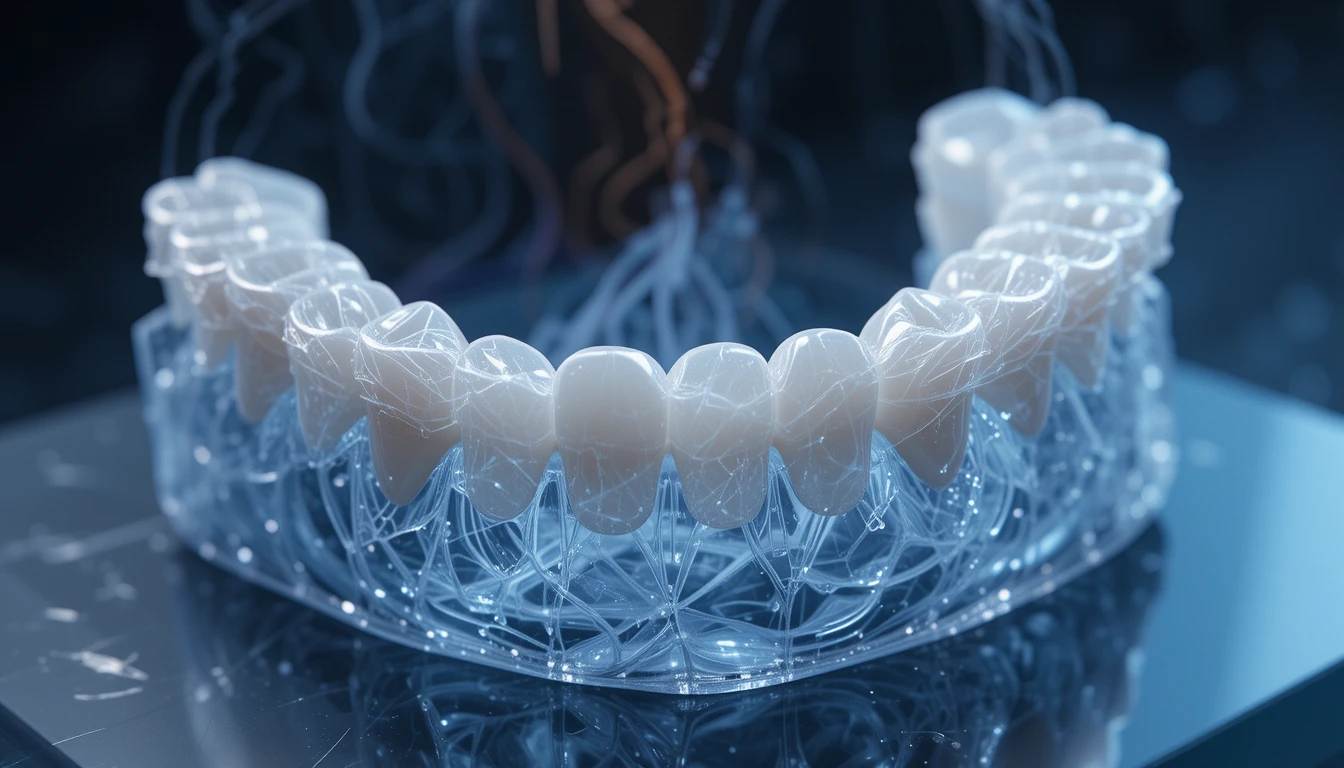
3D printing is transforming many industries, including healthcare and dentistry. Restorative dentistry focuses on repairing and replacing teeth to restore function and appearance. Traditional dental restorations take time and require multiple visits. 3D printing speeds up this process and improves accuracy.
Dentists now use 3D printing to create crowns, bridges, dentures, and other dental prosthetics. This technology reduces waiting times and ensures better fitting restorations. Many dental practices have adopted 3D printing to enhance patient care and efficiency.
The Role of 3D Printing in Dentistry
What Is 3D Printing?
3D printing is a process that builds objects layer by layer from digital models. It uses materials like resin, plastic, or metal to create precise shapes. In dentistry, this method produces accurate dental restorations quickly.
Dentists scan a patient’s teeth using digital imaging. The scan is then used to design a model for printing. Once printed, the restoration is ready for placement with minimal adjustments.
Why 3D Printing Is Important in Dentistry
Traditional methods involve molding, casting, and multiple patient visits. These processes take days or weeks. 3D printing speeds up production, allowing dentists to complete restorations in a single visit.
This technology also improves accuracy. Digital models reduce human error, ensuring a perfect fit. Patients experience fewer adjustments and better comfort.
Types of Restorations Made with 3D Printing
Dental Crowns and Bridges
Crowns cover damaged teeth, restoring strength and function. Bridges replace missing teeth by anchoring to surrounding teeth. Traditionally, these restorations require molds and temporary fittings.
With 3D printing, dentists scan the tooth, design the crown or bridge, and print it within hours. This eliminates the need for temporary solutions and reduces waiting time.
Dentures and Implants
Dentures replace missing teeth and provide essential support to facial structure, helping to maintain a natural appearance and proper function. Traditional dentures often require multiple appointments and adjustments to achieve the right fit. However, advancements in 3D printing technology have revolutionized the process, allowing for the creation of custom-fit dentures with greater speed and precision. This ensures better comfort, improved aesthetics, and enhanced durability, giving patients a more natural and confident smile.
For those seeking high-quality dental restorations, restorative dentistry by Blairstown Smile Studio offers advanced solutions tailored to individual needs. In addition to dentures, dental implants serve as a permanent option for tooth replacement by acting as artificial roots embedded in the jawbone. 3D printing technology plays a crucial role in implant procedures by designing precise surgical guides, improving placement accuracy, and reducing recovery time. Whether opting for dentures or implants, choosing expert restorative dental care ensures optimal oral health and long-term results.
Orthodontic Aligners and Retainers
Clear aligners and retainers help straighten teeth and maintain alignment. 3D printing allows dentists to create custom aligners quickly. Patients receive their aligners faster, reducing treatment time.
This process also improves comfort. Traditional braces involve metal wires and brackets, which can be uncomfortable. 3D-printed aligners provide a smooth and customized fit.
Benefits of 3D Printing in Restorative Dentistry
Faster Production Time
Patients no longer wait weeks for dental restorations. 3D printing allows dentists to design and produce crowns, bridges, and dentures in a single visit. This improves patient experience and reduces the need for multiple appointments.
Improved Precision and Fit
Traditional methods involve hand-crafted molds, which may have slight inaccuracies. Digital scans used in 3D printing provide exact measurements. This ensures a perfect fit, reducing the need for adjustments.
Better-fitting restorations improve comfort and function. Patients experience fewer issues with bite alignment or discomfort.
Cost-Effective Solutions
3D printing reduces the cost of materials and labor. Traditional dental restorations require multiple steps, increasing expenses. With 3D printing, fewer materials are wasted, and production costs decrease.
Patients benefit from lower costs without compromising quality. Dental clinics also save money on outsourcing lab work.
How 3D Printing Enhances Patient Experience
Same-Day Restorations
Patients no longer need temporary crowns or multiple visits. 3D printing allows for same-day restorations. This saves time and reduces inconvenience.
Emergency cases also benefit from this technology. If a patient breaks a tooth, a dentist can print and place a crown immediately.
Less Discomfort
Traditional molds require patients to bite into impression materials, which can be uncomfortable. Digital scans eliminate this step. Patients experience less discomfort during the restoration process.
3D-printed restorations also require fewer adjustments, reducing overall treatment time.
Increased Accessibility
Dental clinics in remote areas may struggle to provide advanced restorative care. 3D printing allows dentists to create restorations on-site, making quality dental care more accessible.
This technology also helps patients who need immediate treatment but cannot wait for lab-produced restorations.
Future of 3D Printing in Dentistry
Advancements in Materials
Researchers continue to develop stronger and more durable printing materials. Future materials will improve the strength and longevity of dental restorations.
Biocompatible materials are also advancing. These materials ensure that 3D-printed restorations are safe for long-term use.
AI Integration in 3D Printing
Artificial intelligence helps improve the design process. AI can analyze digital scans and recommend the best restoration designs. This enhances accuracy and efficiency.
AI-powered software may also predict potential dental issues, allowing dentists to take preventive measures.
Expanded Use in Oral Surgeries
3D printing is already used for creating surgical guides for implants. Future advancements may allow for the printing of bone grafts and tissue regeneration structures.
This could improve treatments for severe dental conditions and injuries.
Conclusion
3D printing is revolutionizing restorative dentistry by improving speed, accuracy, and affordability. Patients benefit from same-day restorations, better-fitting prosthetics, and reduced costs. Dentists can provide higher-quality care with fewer visits and improved precision.
As technology advances, 3D printing will continue to shape the future of dentistry. New materials, AI integration, and expanded surgical applications will further improve patient outcomes. This innovation is making dental care more efficient and accessible for everyone.
 Innovative Minds