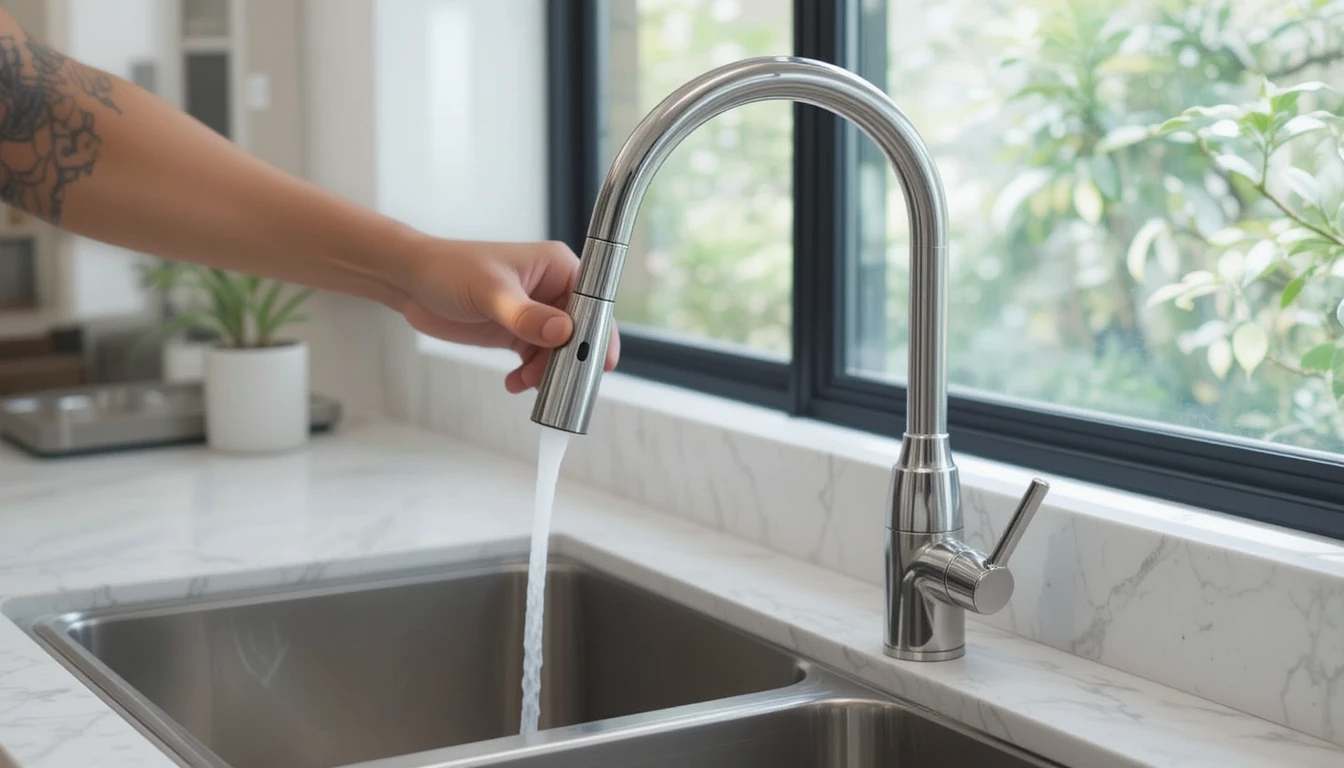
Homeowners in Singapore often need to replace or install a kitchen sink tap. This process requires basic tools and an understanding of how plumbing systems work. This guide explains each step clearly. It focuses on safe and efficient methods for kitchen sink tap installation in Singapore homes.
Tools and Materials Needed
Before starting, gather the necessary tools and materials. This prevents delays and ensures a smooth installation.
Tools
- Adjustable wrench
- Basin wrench
- Pipe tape
- Bucket
- Cleaning cloth
- Screwdriver
Materials
- New kitchen sink tap
- Tap hoses
- Mounting nuts and washers
- Rubber gaskets
Make sure the new tap fits your sink. Most kitchen taps in Singapore follow standard sizes, but it is important to check.
Preparation Steps
Step 1: Turn Off the Water Supply
Find the water valves under the sink. Turn them clockwise to stop the water. If there are no valves, turn off the main water supply. Open the old tap to release remaining water in the pipes.
Step 2: Clear the Area
Remove items stored under the sink. Place a bucket below the tap to catch water. Wipe the area clean to improve access and visibility.
Step 3: Disconnect the Old Tap
Use the wrench to loosen the water hoses. Then use the basin wrench to remove mounting nuts holding the tap in place. Lift out the old tap.
Installing the New Kitchen Sink Tap
Step 1: Fit the Rubber Gasket
Place the rubber gasket or seal ring on the bottom of the new tap. This prevents water leaks. Align the tap with the hole in the sink.
Step 2: Insert the Tap into the Sink
Insert the tap base into the hole on the sink. Hold it steady from above while working underneath the sink.
Step 3: Secure the Tap
From below the sink, slide the washer and nut onto the tap thread. Tighten the nut by hand, then use a basin wrench for final tightening. Make sure the tap is straight before fully tightening.
Step 4: Connect the Water Hoses
Attach the hoses to the tap and the shut-off valves. Use pipe tape on the threads to improve the seal. Tighten with a wrench, but do not overtighten. Check the manufacturer’s instructions for correct hose connections.
Step 5: Check for Leaks
Turn the water supply back on. Slowly open the tap. Look under the sink for drips. Tighten any connections if needed. If you see water leaks from the base of the tap, check the gasket placement and nut tightness.
Tips for Safe Installation
- Always shut off the water supply before starting work.
- Use proper tools to avoid damaging parts.
- Do not overtighten connections, as this can cause leaks.
- Keep the work area dry to reduce the chance of slipping.
- Follow the tap manufacturer’s instructions.
When to Call Plumbing Services
While many people can install a tap themselves, some situations require professional plumbing services in Singapore. Issues like major pipe leaks, water pressure problems, or installing complex fixtures go beyond simple DIY tasks. Attempting to fix these problems without the right tools or expertise can lead to bigger and costlier issues over time. That’s why knowing when to call in a professional is essential for maintaining your home’s plumbing system.
If you’re dealing with persistent clogs, water heater issues, or pipe replacements, hiring an experienced Plumber Singapore can save time and prevent future damage. Licensed plumbers not only diagnose the root cause efficiently but also ensure the repairs meet safety standards. Whether it’s for routine maintenance or emergency repairs, having a reliable plumber on call ensures your plumbing system runs smoothly and efficiently year-round.
These include:
Old or Damaged Pipes
If pipes are rusty or damaged, replacing the tap may not fix the problem. Professional plumbers can assess and repair pipework.
Low Water Pressure
If water pressure is too low, there may be a deeper issue in the plumbing system. Experts can find and fix the cause.
Incorrect Tap Size
If the tap does not fit the sink or the existing pipework, a plumber can provide the correct solution.
Leaks After Installation
If leaks continue despite proper installation, a plumbing expert should inspect the system.
Hiring plumbing services ensures safety and prevents damage to your home.
Benefits of Proper Installation
Correct installation of a kitchen sink tap has several advantages:
- No leaks, which saves water and reduces bills
- Proper water pressure for washing and cleaning
- Safe and clean water supply
- Longer tap lifespan
- Better kitchen appearance
Types of Kitchen Sink Taps for Singapore Homes
Choosing the right tap for your kitchen depends on your needs. Here are some common types found in Singapore homes:
Single Lever Taps
These taps control both hot and cold water with one handle. They are simple to use and install.
Dual Handle Taps
These taps have separate controls for hot and cold water. They offer better control over water temperature.
Pull-Out Spray Taps
These taps have a flexible nozzle that can be pulled out. They help with cleaning large pots and reaching corners of the sink.
Wall-Mounted Taps
These taps attach to the wall above the sink. They save counter space but may need extra work during installation.
Choose a tap based on your sink layout, water supply type, and personal preference.
Maintenance Tips After Installation
Keep your tap in good condition with simple maintenance steps:
- Clean the tap with a damp cloth and mild soap
- Avoid strong chemicals that damage the surface
- Check for leaks every few months
- Replace worn-out hoses and washers
- Tighten loose parts
Regular checks prevent problems and extend the life of your kitchen tap.
Common Mistakes to Avoid
Avoid these errors during kitchen sink tap installation:
- Forgetting to turn off the water supply
- Using the wrong size tools
- Overtightening parts
- Ignoring leaks after installation
- Installing a tap that does not match your sink or pipe fittings
Being careful during each step helps you avoid these issues.
Cost of Kitchen Sink Tap Installation in Singapore
The cost depends on several factors:
- Type of tap
- Condition of existing plumbing
- Labour charges from plumbing services
On average, the cost of tap installation by professionals in Singapore ranges from SGD 80 to SGD 150. DIY installation can save money, but only if done correctly.
Conclusion
Installing a kitchen sink tap in Singapore homes is possible with the right tools and steps. Follow clear procedures, use proper equipment, and check for leaks. For complex issues or if you lack tools, contact plumbing services. A good installation ensures a working tap, clean water, and fewer plumbing problems in the future.
This guide helps homeowners handle basic tap installation tasks safely and clearly. Whether you choose to do it yourself or call plumbing services, knowing the steps is useful for all homes in Singapore.
 Innovative Minds