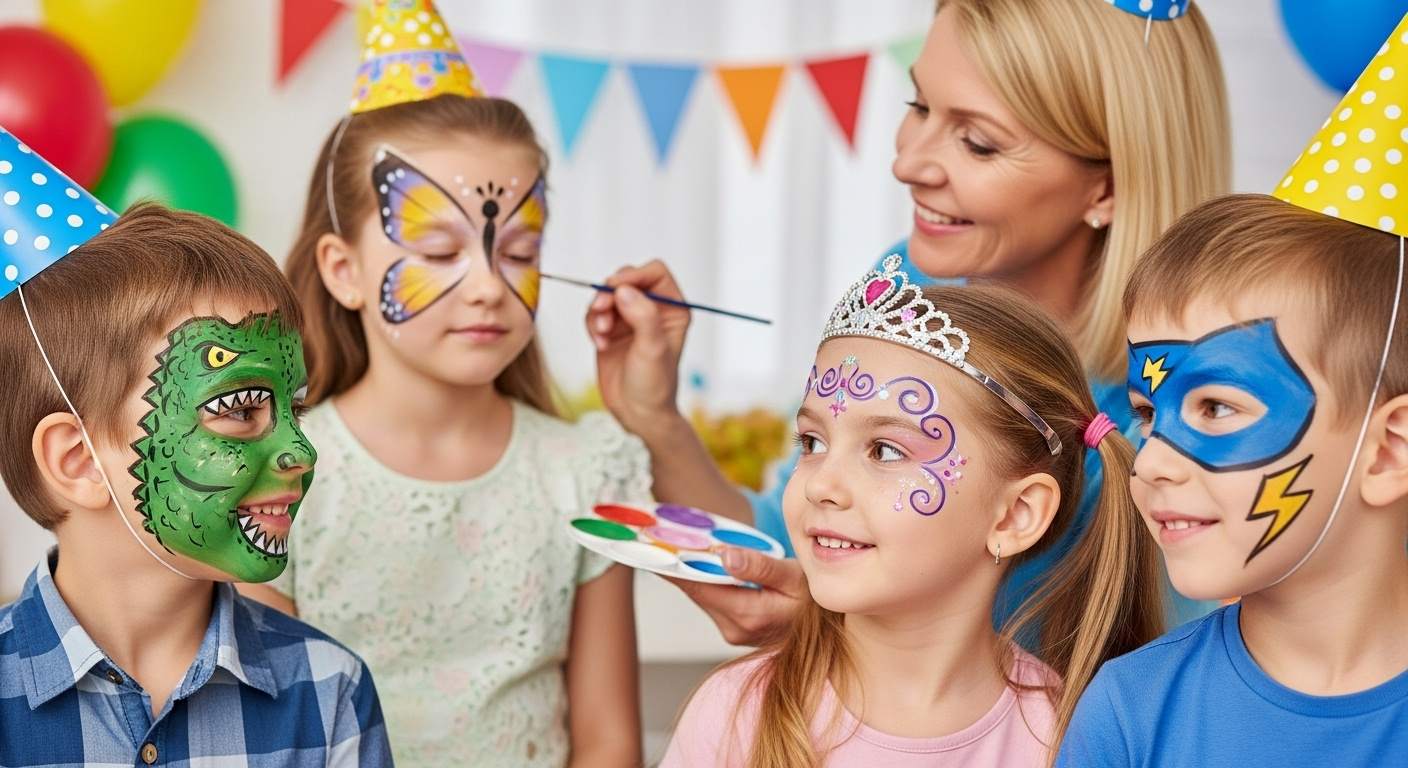
Face painting is a fun and creative way to keep kids entertained during events. It adds color, excitement, and imagination to parties of all kinds. Matching face painting designs to party themes helps create a unified and memorable experience. When designs connect with the theme, children feel more involved, and the event looks well planned.
This guide explains how to match face painting designs with party themes in a clear, simple way. You will learn how to plan designs, choose colors, and create a smooth experience for both kids and event organizers.
Understanding the Importance of Themed Face Painting
Face painting works best when it matches the event theme. A strong match builds excitement and helps kids connect with the party’s atmosphere. Whether it is a birthday, school fair, or holiday event, matching designs to themes shows attention to detail and creates lasting memories.
When you align designs with the theme, kids can become part of the story. For example, at a superhero party, face paint can transform them into their favorite heroes. At a princess event, sparkly crowns and glitter makeup make every child feel royal. The closer the design fits the theme, the more engaging the experience becomes.
Planning Face Painting for Events
Good planning helps ensure that face painting fits smoothly into any event. Start by identifying the main theme. Once you know it, list possible designs that match. Consider the number of kids attending, the time available, and the skill level of the face painter.
A clear plan helps prevent delays and keeps kids entertained without long waiting times. For large events, having multiple painters or quick design options is a smart choice. Keep hygiene in mind by using clean brushes and sponges for each child. Visit this website to learn more about face painting and how it can add color and fun to your event.
Choosing the Right Face Painting Designs
Selecting designs that match the theme is the core step. Think of what symbols, colors, or characters represent that theme. Here are examples of how to match designs with popular party themes.
Superhero Parties
Superhero themes are a favorite at many kids’ events. Paint designs inspired by famous heroes such as masks, lightning bolts, or team symbols. Use bright colors like red, blue, and yellow to reflect the comic-book look. Kids love to recognize characters, so simple designs like spider webs, stars, or shields work well.
Animal or Jungle Parties
Animal themes allow creativity and variety. Tigers, butterflies, lions, and zebras are common choices. For a jungle event, green, brown, and yellow shades fit best. Use soft lines for younger children and bolder patterns for older ones. Adding small glitter or whisker details can make designs more fun.
Princess and Fairy Parties
Princess themes often include crowns, tiaras, flowers, and sparkles. Use pastel tones like pink, lavender, and silver. Fairies can include wings or light glitter dust to match the magical tone. These soft and colorful designs help kids feel special and part of a fantasy world.
Pirate Parties
Pirate themes work well with black, red, and white paint. Designs can include eye patches, skulls, or simple beards. Small anchor or treasure chest symbols also fit well. Boys and girls enjoy pirate looks because they can feel adventurous and bold.
Sports Parties
For sports-themed events, paint simple designs based on team colors or sports gear. Baseballs, footballs, or basketballs make good quick options. Kids who love competition enjoy showing off their team spirit through their face paint.
Seasonal or Holiday Parties
Seasonal events can inspire many ideas. For Halloween, choose pumpkins, bats, or spider webs. For Christmas, snowflakes, reindeer, and candy canes work well. During spring festivals, flowers and butterflies add cheerful detail. Adjust colors based on the holiday mood to make each design fit naturally.
Matching Colors to the Party Theme
Color choice has a strong effect on how designs match themes. Stick to a color palette that reflects the party setup. If decorations are mostly red and yellow, make sure face paint uses similar shades. This helps create harmony across the event.
For calm or soft themes like fairies or mermaids, choose pastels such as light blue, lavender, and pink. For bold themes like superheroes or pirates, use darker and brighter tones. Consistent color coordination connects every element and gives the event a complete look.
Keeping Kids Entertained During Face Painting
Kids love face painting, but long lines can make them restless. Keep them entertained while waiting by using music, games, or small crafts. The goal is to make the waiting time part of the fun, not a distraction.
You can also organize painting stations by theme. For example, one station for superheroes, another for animals, and another for princesses. This approach speeds up the process and gives children a choice without confusion.
Face painters should also be friendly and patient. Talking to each child helps them relax and adds to the excitement. Kids remember these small interactions long after the event ends.
Coordinating with Event Organizers
Good communication between face painters and event planners ensures a smooth setup. Discuss space requirements, lighting, and time slots before the event begins. A well-lit, accessible area helps painters work faster and keeps designs neat.
Provide chairs and a small table for supplies. Having wipes, mirrors, and water nearby saves time. Make sure parents know the materials are safe and skin-friendly. Sharing safety information builds trust and helps kids enjoy the activity with confidence.
Promoting Face Painting as a Highlight
At many events, face painting is more than a side activity—it can be a central attraction. Promote it in invitations and announcements to build excitement. Use photos of past designs so parents and kids know what to expect.
Encourage parents to take pictures and share them online. This not only creates memories but also helps promote future events. Organizers can even hold a small photo contest for the best face paint design. This keeps guests engaged and adds energy to the celebration.
Simplifying Designs for Faster Events
For large gatherings, it helps to offer quick, simple designs. Kids are happy with small but neat art like hearts, stars, or mini butterflies. Limiting the color palette and focusing on clear shapes reduces time per child without lowering quality.
Have a design chart displayed so kids can pick their favorite quickly. Visual options prevent confusion and keep the line moving. This method ensures every child gets painted and stays entertained throughout the event.
Safety and Hygiene Practices
Safety is important for every face painting activity. Always use paints made for skin. Avoid acrylic or craft paints, as they can cause irritation. Clean brushes after each use and change sponges often.
Ask parents about any allergies before painting. If a child has sensitive skin, test a small area first. Use hand sanitizer before and after each session to maintain hygiene. Keeping materials clean and organized protects both kids and painters.
Evaluating the Event Experience
After the event, review how the face painting went. Ask organizers and parents for feedback. This helps improve future events. Track which designs were most popular and which took too long to complete.
By reviewing each event, painters and organizers can refine their approach. The goal is to make future experiences smoother and more enjoyable. A short checklist after each event helps keep quality consistent.
Conclusion
Face painting is a powerful way to keep kids entertained at parties and events. Matching designs to party themes creates connection, excitement, and unity. From superheroes to fairies, every theme offers chances to make kids smile.
With good planning, clear designs, safe materials, and proper coordination, face painting can become the highlight of any celebration. When colors, ideas, and creativity align with the event theme, the result is a fun, engaging, and memorable experience for everyone.
 Innovative Minds