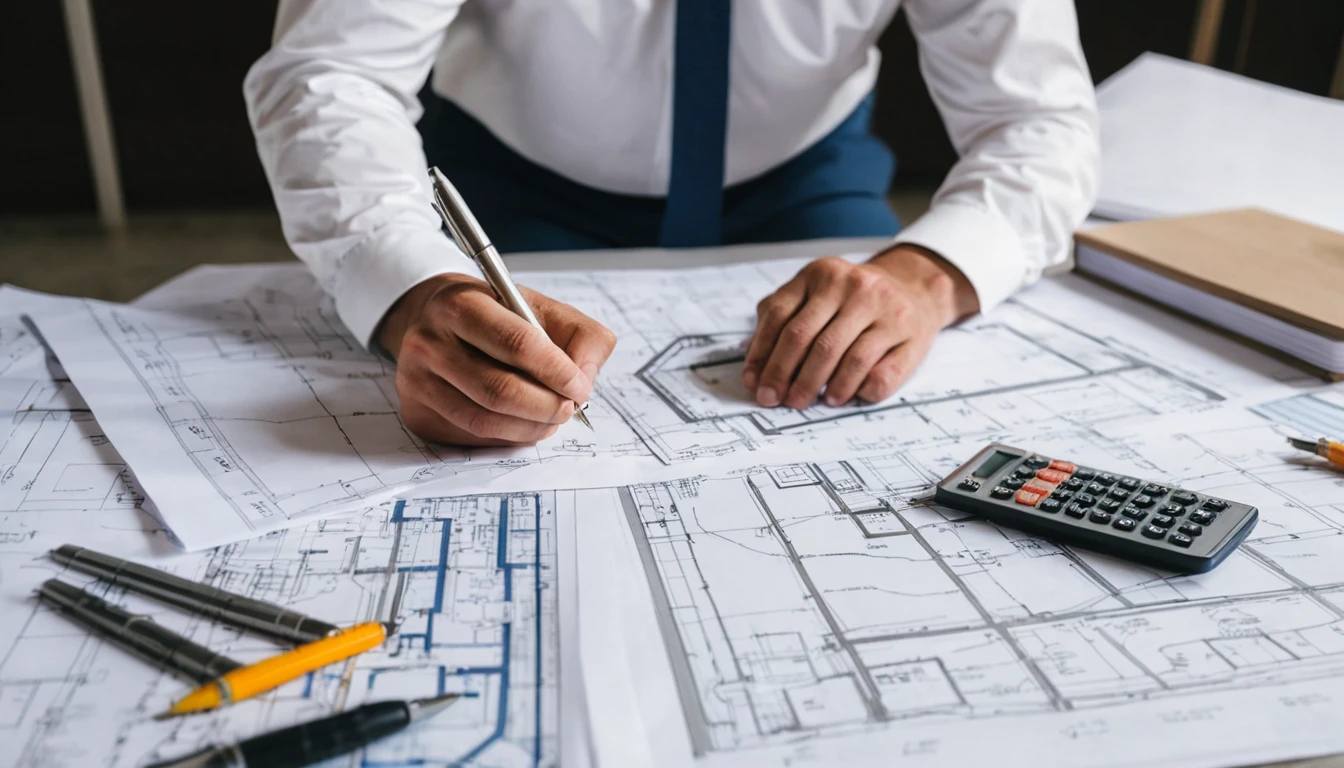
Pre-construction planning is the foundation of a successful construction project. It sets clear expectations, defines budgets, and prevents costly mistakes. Every project, whether it involves large-scale construction or interior contracting, benefits from a structured plan before work begins. This article explains why pre-construction planning is essential, how it supports smooth construction, and how it improves interior and contracting results.
Understanding Pre-Construction Planning
Pre-construction planning is the stage where all project details are organized before any physical work starts. It involves defining goals, scheduling tasks, estimating costs, and coordinating teams. This stage allows contractors, designers, and clients to share ideas and address potential challenges in advance.
Without this planning, projects often face delays, unexpected costs, and design conflicts. A complete plan gives everyone a clear roadmap, helping all parties work efficiently from start to finish.
The Core Goals of Construction Planning
The main goal of construction planning is to build a solid strategy for managing time, money, and resources. It helps identify every step of the project, ensuring that the construction process follows a logical order.
A strong plan includes:
- Clear project objectives
- Realistic timelines
- Detailed cost breakdowns
- Defined responsibilities
- Risk management steps
When these goals are met, teams can maintain control of the project and achieve quality results on time and within budget.
The Role of Pre-Construction Planning in Project Success
Pre-construction planning directly impacts the overall success of a construction project. By addressing design considerations, material selection, and structural requirements early, teams can avoid costly mistakes and minimize delays. Incorporating professional insights during this phase ensures that every aspect of the project aligns with client expectations, from accuracy in measurements to thorough design reviews. Engaging with a trusted partner like Art Decor, a leading interior contracting company in Saudi Arabia, helps streamline this process and provides a clear roadmap for executing turnkey interior projects efficiently.
This proactive planning approach not only reduces errors but also fosters smoother collaboration among architects, engineers, and contractors. Identifying potential issues before construction begins allows teams to implement solutions without disrupting timelines or budgets. As a result, projects run more efficiently, communication improves, and client satisfaction reaches higher levels, making pre-construction planning an essential foundation for any successful build.
Key Elements of Effective Pre-Construction Planning
Effective pre-construction planning covers several important areas. Each area contributes to the stability and success of the project.
Project Scope Definition
Every project begins with defining its scope. This means setting clear limits on what will be built, renovated, or installed. When the scope is well-defined, contractors can focus on specific goals instead of making assumptions.
Budget Planning
Budget planning ensures that every cost, from materials to labor, is accounted for. It prevents financial surprises and allows the client to understand where money is being spent. Transparent cost estimates also help with decision-making during construction.
Scheduling and Timeline Control
A timeline outlines the sequence of work and sets deadlines for each task. Proper scheduling prevents overlaps and helps manage resources efficiently. It also provides a way to track progress throughout the project.
Design and Technical Review
Before construction starts, teams review design drawings, layouts, and technical plans. This review helps detect design flaws early. It ensures that all materials and methods meet safety and quality standards.
Risk Assessment
Every construction project faces risks such as weather issues, material shortages, or labor delays. Identifying these risks in advance allows planners to prepare backup solutions. Risk management keeps the project stable even under unexpected conditions.
Communication Strategy
Good communication ensures that architects, engineers, contractors, and clients stay informed. A defined communication plan keeps everyone aligned and avoids misunderstandings during construction.
How Pre-Construction Planning Improves Interior Contracting
Interior contracting projects also rely heavily on pre-construction planning. The design and functionality of an interior space require careful coordination between contractors, designers, and suppliers.
A pre-construction plan helps manage each stage, from layout design to final finishes. It ensures that electrical work, plumbing, and material selection match the design intent. Proper planning also helps manage client expectations by providing accurate visuals, material samples, and schedules.
In interior projects, space efficiency, lighting, and material compatibility are critical. With a structured plan, contractors can ensure that all details work together without delays or design mismatches.
Benefits of Strong Construction Planning
Strong construction planning offers measurable benefits for both clients and contractors.
Better Cost Control
When budgets are clearly outlined, there is less chance of overspending. Pre-planned cost tracking also allows teams to adjust quickly if prices or material availability change.
Improved Time Management
Clear schedules and task priorities help teams complete work on time. Delays are reduced because all tasks follow a defined order and dependencies are managed properly.
Enhanced Quality Assurance
A detailed plan helps monitor quality throughout the construction phase. By setting quality standards in advance, contractors can ensure consistent results that meet or exceed expectations.
Stronger Team Coordination
Pre-construction planning creates unity among all project members. Each person understands their role, deadlines, and communication channels. This teamwork leads to fewer errors and better performance.
Fewer Project Delays
Many construction delays result from unclear information or missing materials. By planning every step early, these issues are minimized. Projects can move forward smoothly without unnecessary interruptions.
Common Mistakes When Skipping Pre-Construction Planning
Skipping the pre-construction phase is one of the biggest causes of project failure. Some common mistakes include:
- Inaccurate budgeting
- Unclear project scope
- Poor communication between teams
- Design conflicts during construction
- Late material orders
These mistakes often lead to wasted time and higher costs. They can also lower the overall quality of the finished project. A detailed pre-construction plan avoids these problems by addressing them before work begins.
The Link Between Planning and Project Efficiency
Planning improves project efficiency by turning ideas into a structured workflow. It allows teams to schedule materials, assign labor, and monitor progress easily. Projects that start with solid planning experience fewer disruptions and produce consistent outcomes.
Construction and interior contracting both depend on precise coordination. When a clear plan is in place, teams can adapt faster to challenges, ensuring that deadlines and quality standards are maintained.
Using Technology for Better Construction Planning
Modern tools make pre-construction planning faster and more accurate. Digital design software, cost estimation tools, and project management platforms help teams visualize and manage every detail.
For example:
- Building Information Modeling (BIM) provides 3D visualization and real-time design updates.
- Project management tools track progress and share updates instantly.
- Digital estimating software reduces human error in cost calculations.
Technology increases transparency, keeps records organized, and supports better decision-making throughout the construction process.
Final Thoughts
Pre-construction planning is not just a formality. It is the base of successful construction and interior contracting projects. By defining goals, budgets, and responsibilities early, teams save time and money while improving quality.
Strong planning also creates trust between clients and contractors. It ensures that every project, whether a large construction build or a detailed interior renovation, runs smoothly from start to finish.
A well-structured pre-construction plan is the smartest step toward reliable, efficient, and successful project completion.
 Innovative Minds