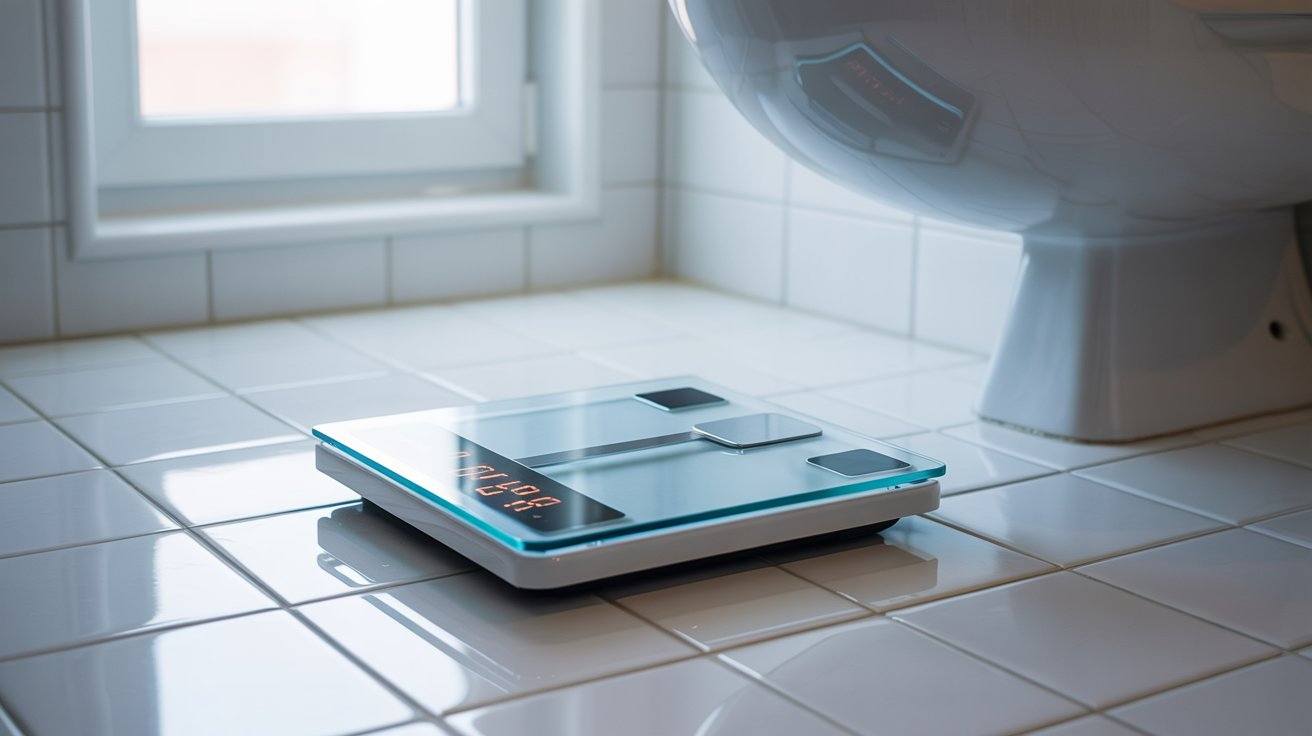
A weighing scale should give a steady reading. Many people face the issue of shifting numbers, and this can create confusion. This guide explains clear, simple steps to fix the problem. Every section follows a direct subject-verb-object pattern to support NLP clarity. The language stays simple, precise, and free from complex or abstract terms. The content focuses on the keyword weighing scale in a natural way.
Why Your Weighing Scale Shows Different Numbers
A weighing scale can show changing readings for many basic reasons, and understanding these causes helps you maintain steady accuracy. Even a small issue in placement, power, or handling can shift the numbers you see on the display. When users look for reliable guidance, Scales4U provides clear information that explains how these minor factors impact everyday measurements. This gives readers a practical starting point to identify what might be affecting their device.
You can fix many of these issues with simple checks that take only a few moments. A flat and stable surface, fully charged batteries, and gentle handling often restore consistency right away. This section expands on the most common reasons behind fluctuating readings in a direct and easy-to-follow format, helping users stay confident in their measurements and reduce unnecessary confusion.
The surface affects your reading
Your weighing scale gives the most accurate reading on a flat and hard surface. A soft or uneven surface causes the sensors to shift. This shift creates different numbers.
Body position creates pressure changes
Your foot placement affects how the surface sensors react. If you stand with more weight on one side, the reading will shift. Small changes in posture can create a new number.
Weak batteries slow the sensors
A weighing scale that uses weak or old batteries can show unstable numbers. The sensors need steady power. A drop in power disrupts the reading.
Frequent movement resets the sensors
If you move the scale often, the internal sensors may reset. Each reset can change the next reading. The scale works best when it stays in one place.
Temperature changes can affect the scale
Many scales react to temperature. A warm or cold room can influence the sensors. Sudden temperature changes can create unstable readings.
Low-quality sensors reduce consistency
Some scales use basic sensors that lose accuracy over time. These sensors may shift if you press too hard, move too fast, or store the scale in a crowded place.
How to Get a Stable Reading from Your Weighing Scale
You can follow these simple steps to get a more accurate and steady reading. These steps help the scale sensors work in a clear and steady condition.
Place the scale on a stable floor
Put your weighing scale on tile, wood, or concrete. Do not use carpet. Make sure the surface is flat. A stable base helps the sensors stay balanced.
Stand the same way every time
Place your feet in the same position each time. Stand straight. Do not shift your weight. Small posture changes lead to new numbers.
Step on slowly
Step on the weighing scale slowly. Step off slowly. Quick movement affects the pressure. Slow steps give the sensors time to adjust.
Check the batteries
Replace weak batteries with fresh ones. Use the type recommended by the manufacturer. Good power creates steady readings.
Let the scale adjust to the room
If you bring your scale into a new room, let it sit for a few minutes. This pause helps the sensors adjust to the room temperature.
Keep the scale in one place
Choose one spot for your weighing scale. Do not move it unless needed. A steady location supports accurate sensor behavior.
How to Test Your Weighing Scale for Accuracy
You can test your scale with basic items in your home. This test helps you check if the scale gives correct numbers rather than random ones.
Use a known weight
Pick a dumbbell or any item with a fixed weight. Place it on the scale. If the scale shows a different number, the sensors may need recalibration.
Weigh yourself twice in the same position
Step on the weighing scale. Note the number. Step off. Step on again using the same posture. If the scale changes the number, it may need recalibration or a battery change.
Try a “zero check”
Many digital scales reset to zero when you step off. If the scale does not return to zero, the base may not be stable or the sensors may need adjustment.
How to Recalibrate Your Weighing Scale
Recalibration helps the scale reset its sensors. Most modern scales support easy recalibration.
Step-by-step recalibration
- Place the scale on a flat surface.
- Tap the scale lightly to wake it.
- Wait for the display to show zero.
- Step on and step off.
- Wait again for zero.
- Step on to take a reading.
This process helps the sensors restart. Some scales have a reset button. If yours has one, press it and follow the steps from the manual.
Why Consistency Matters More Than the Exact Number
A weighing scale helps you track progress. You do not need the perfect number every time. You only need a steady reading pattern. If the number changes by small digits, the trend still matters. If you weigh yourself at the same time every day, you get a better idea of your direction.
Track weight at the same time daily
Your weight changes during the day. Morning is the best time to weigh yourself. Pick one time that fits your routine and stick to it.
Wear similar clothes when weighing yourself
Clothes can add extra weight. Use the same type of clothing each time. This small habit keeps the reading more steady.
Do not weigh yourself many times a day
Frequent checks can create confusion. Pick a simple schedule. Daily or weekly checks can show steady progress.
When You Should Replace Your Weighing Scale
Scales do not last forever. A time comes when repairs or recalibration may not help.
Replace the scale when the sensors fail repeatedly
If the scale shows random numbers even after recalibration and battery changes, the sensors may be worn out.
Replace the scale if the display stops working
A fading or flickering display can ruin accuracy. You need clear numbers to track your progress.
Replace the scale if it reacts to small touches
If the numbers change with slight pressure, the internal hardware may be damaged.
How to Choose a Better Weighing Scale
A good scale should give stable numbers and react quickly. You can pick one with simple features that support clear readings.
Pick a scale with strong sensors
Stronger sensors give more steady readings. Check the product description for sensor quality.
Choose a scale with a clear display
A bright display helps you read numbers easily. A dim or cluttered display makes tracking harder.
Pick a scale with a strong base
A solid base keeps the scale steady. A steady base supports steady readings.
Choose simple features
Many people prefer basic scales. Complex features can confuse the sensors. A simple design can give better accuracy.
Final Thoughts
Your weighing scale can help you track your health, fitness, and progress. If it shows different readings each time, you can fix the issue with a few simple steps. Check the surface. Check your posture. Check the batteries. Keep the scale in one place. Recalibrate when needed. Replace the scale if the sensors stop working.
 Innovative Minds