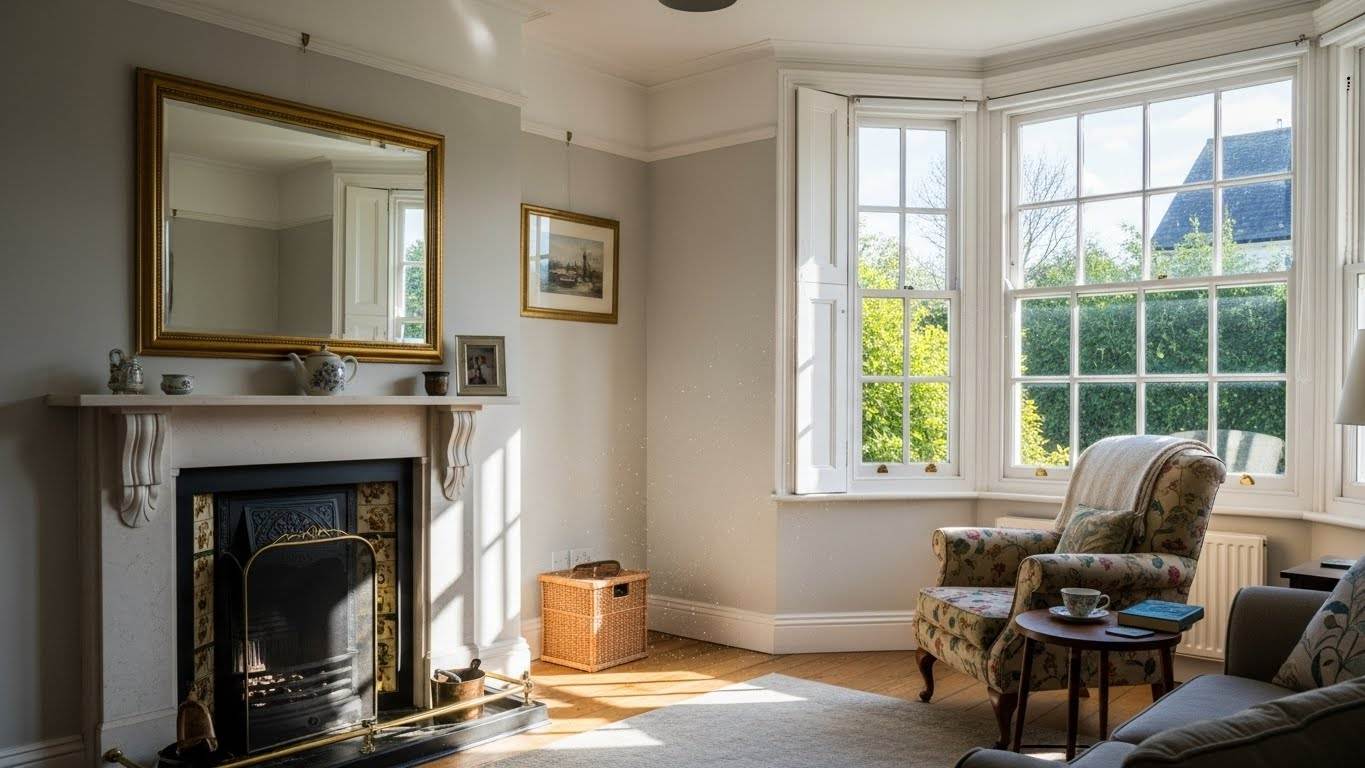
Natural light plays a strong role in UK Homes because it shapes mood, comfort, and daily living. Many Architects focus on Natural Light because it increases space quality, reduces energy use, and makes each room feel fresh. This article explains why Natural Light has become a core part of UK Homes and how Architects use simple design choices to improve light flow in modern and traditional properties.
The Importance of Natural Light in Daily Living
Natural light supports health, comfort, and a sense of balance. It helps the eyes relax, keeps the mind active, and reduces the need for artificial lighting. UK Homes often face shorter daylight hours in winter, so a clear plan for light makes a home feel bright even on cloudy days. Natural Light builds a clear connection between indoor and outdoor space, which many homeowners value.
Why Natural Light Matters in UK Homes
Homes in the UK face long seasons with limited sunshine, especially during winter when daylight hours fall sharply. Many regions also experience high cloud cover throughout the year, which reduces the amount of natural brightness entering living spaces. Because of this, Natural Light has become a major design focus for architects who want homes to feel open, calm, and visually balanced. Rooms with improved daylight often appear larger, colours look clearer, and subtle details become more noticeable, creating a more welcoming atmosphere.
In modern home planning, lighting strategies now work closely with layout, material selection, and overall spatial flow. Homeowners who want a brighter and more comfortable interior often look for ways to enhance window placement, reflective surfaces, and colour harmony. This is where Interior Design Services by Molecule Designs naturally support better results, as thoughtful interior choices can maximise available light and improve the character of each room. A well-lit home not only elevates day-to-day living but also encourages better energy efficiency by reducing the reliance on electric bulbs during daytime hours.
Creates a Sense of Space
Natural Light spreads evenly and removes dark corners. UK Homes often have compact layouts, especially in older Victorian and terraced properties. A bright room feels bigger even without changing the floor plan. Architects use wide windows, skylights, roof lanterns, and open layouts to increase brightness. This simple shift creates a clear sense of openness.
Improves Mood and Well-being
Light supports stable energy levels and reduces stress. People feel more active in brighter spaces. UK Homes that welcome Natural Light allow families to feel more fresh during the day. Rooms like kitchens, living rooms, and home offices benefit strongly because these are high-use areas.
Helps Lower Energy Use
A bright home reduces the need for lights during the day. Natural Light supports warm areas in winter by letting sunlight heat certain rooms. Architects plan window direction carefully so homes receive steady brightness without causing glare or too much heat. This balance supports comfort and reduces costs.
How Architects Use Natural Light in UK Homes
Architects study the way light moves across each property. They check window direction, roof angles, floor plans, and garden position. Their goal is to let light travel easily without blocking it with walls or dark structures.
Window Placement
Window choice is central. South-facing windows bring strong light during the day. East-facing windows bring soft morning light, while west-facing windows capture warm evening light. Architects use mixed window directions so different rooms receive balanced daylight.
Open-Plan Designs
Open-plan layouts support wider light movement. By removing inner walls, Natural Light can spread from one end of the house to the other. Many modern UK Homes use combined kitchen-dining-living spaces for this reason. It creates a simple flow and makes the home feel more connected.
Skylights and Roof Lanterns
Skylights bring light from above, which is stronger and cleaner than side windows. Roof lanterns add height and brightness at the same time. Many loft conversions in UK Homes use skylights because they fit easily into sloped roofs and improve dim upper floors.
Glass Doors and Internal Glazing
Large glass doors connect the interior with gardens and patios. These doors bring wide daylight into ground floors. Internal glass panels help spread that same brightness to hallways, staircases, and inner rooms that normally stay dark.
Natural Light in Traditional UK Homes
Older UK Homes often have smaller windows and heavy walls. Architects improve light levels in these homes without harming original character. They may add slimline windows, wider openings, or clear glass in old frames. They may also remove thick partitions to increase openness. Natural Light improves heritage properties because it shows detail and highlights traditional design elements.
Natural Light in Modern UK Homes
New-build homes often follow strong lighting plans. Architects use large windows, clean surfaces, and wide open areas so light moves easily. Many modern UK Homes use pale colours and simple layouts to create a strong visual effect. These small choices boost brightness and support a calm atmosphere.
How Natural Light Shapes Room Function
Different rooms need different levels of brightness. Architects use light to support how each space works.
Kitchen
Kitchens need clear visibility for cooking, cleaning, and social time. Placing the kitchen near wide windows or glass doors makes this space bright and practical.
Living Room
This room is often used for rest. Soft Natural Light works well here. Architects prefer south or west-facing windows for this space to capture warm daylight.
Bedrooms
Bedrooms benefit from gentle morning light. Many Architects align bedrooms with east-facing windows for a calm start to the day.
Home Office
Home offices depend on sharp, clear light that does not cause glare. Natural Light helps maintain focus during long working hours. Balanced window placement supports comfort.
How Natural Light Helps Property Value
Natural Light increases property demand. Homes that look bright appear bigger and more welcoming. Buyers often choose homes with clear daylight over dim homes. Large windows, skylights, and open layouts increase visual appeal. This makes Natural Light a simple way to raise value in UK property markets.
Simple Ways Homeowners Can Increase Natural Light
Homeowners can improve light without major construction.
Use Light Colours
Walls, floors, and furniture in light shades help bounce light across the room. This creates even brightness.
Keep Windows Clear
Heavy curtains block light. Slim blinds or sheer curtains let more daylight enter.
Use Mirrors
Mirrors reflect light and make rooms feel wider. Placing mirrors opposite windows increases brightness.
Remove Clutter
Too many items block light flow. A clean layout improves the way light spreads through each room.
The Connection Between Natural Light and Healthy Living
Natural Light supports stable sleep patterns, improves mood, and keeps indoor spaces active. UK residents spend many hours indoors during winter, so a bright home supports emotional strength. Architects use Natural Light as a tool to help families enjoy daily living with comfort.
Conclusion
Natural Light remains a key feature in UK Homes because it supports comfort, health, and simple living. Architects understand how light shapes each room and use clear design methods to capture it from different angles. A home with strong Natural Light feels open, calm, and inviting. Whether old or new, a property that welcomes daylight creates lasting value and supports a balanced way of living.
 Innovative Minds