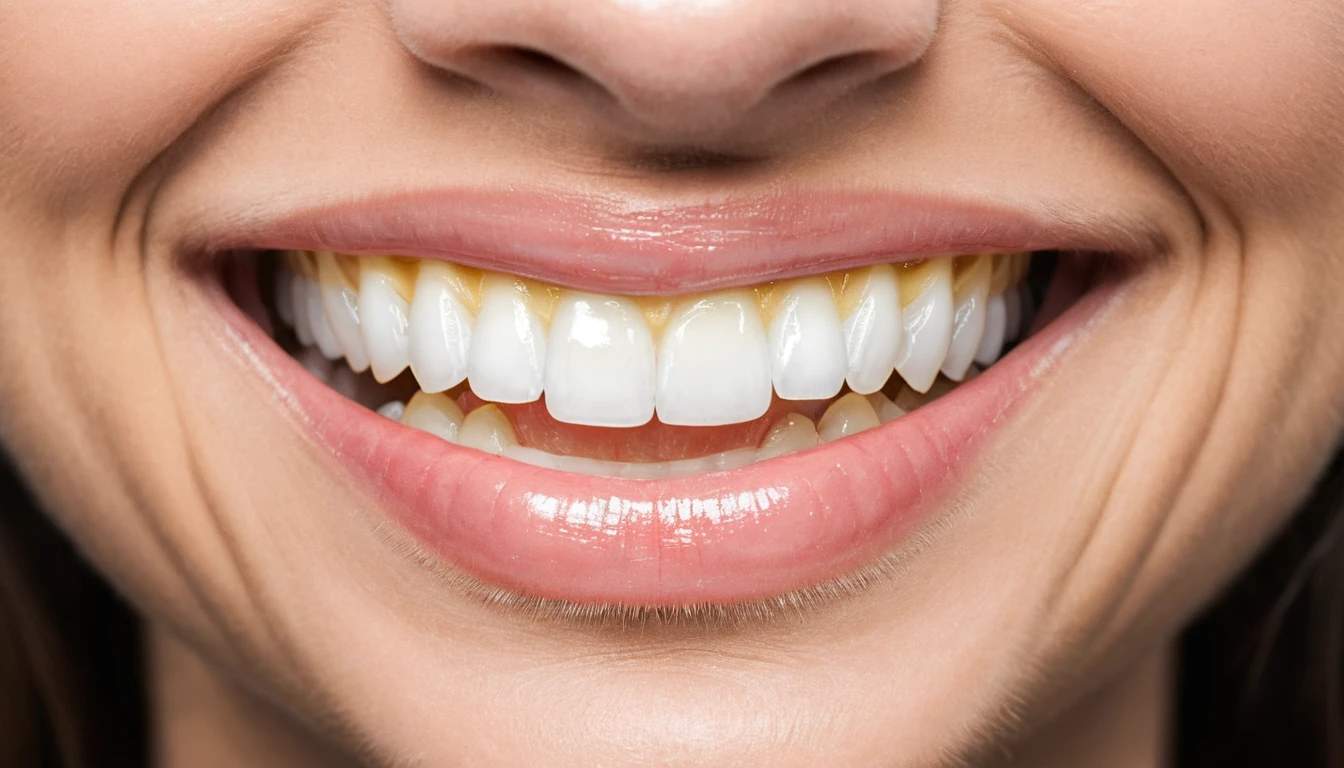
Whitening treatments help brighten teeth, but many people notice yellow teeth returning after some time. This happens for simple and clear reasons related to daily habits, food choices, oral care, and natural changes in the body. This article explains these reasons in a direct and easy way. The aim is to help you understand what causes yellow teeth to come back and what you can do to slow this process. The language stays simple so search engines and readers both understand every point with ease.
How Whitening Treatments Work
Whitening treatments use active agents that lift stains from the surface of the teeth. These agents reach into the enamel and break down the particles that cause dull and yellow shades. The results look fresh, but these results do not last forever because enamel can stain again through normal daily actions.
Temporary Effects of Whitening
Whitening gives a bright shade at the start, but the colour naturally begins to soften as time passes. Teeth come into daily contact with food, drinks, and other staining sources, which slowly influence the shade. This gradual change is normal and does not mean the initial treatment was unsuccessful. Many people look for ways to slow down this fading, and options like teeth whitening Castle Hill are often considered when they want a reliable method to maintain a lighter shade for longer.
The effect of whitening is temporary because enamel behaves like a surface that absorbs and releases colour based on exposure. When pigments settle on the enamel repeatedly, the brightness gradually reduces. Regular care, mindful eating habits, and maintenance treatments help preserve the shade for a longer period. Understanding how enamel responds to everyday staining makes it easier to manage expectations and plan future whitening sessions with confidence.
Sensitivity After Whitening
Many people feel slight sensitivity after whitening treatments. This happens because the enamel opens up during the whitening process. These openings make the teeth slightly more reactive to hot and cold items. As these tiny openings close again, teeth begin to catch stains at a normal pace.
Daily Habits That Cause Yellow Teeth to Return
Yellow teeth appear again mainly because of simple habits. These habits influence the surface shade of the enamel. Understanding these habits allows you to control the pace at which the yellow shade returns.
Drinking Staining Beverages
Tea, coffee, cola, and certain juices stain enamel quickly. These drinks carry colour pigments that stick to the surface of the teeth. If you drink them daily, the shade from your whitening treatments fades faster. The pigments settle into the enamel and slowly change the colour.
Eating Foods That Leave Stains
Some foods, such as berries, tomato sauces, and curries, have strong colour. These foods attach to the enamel surface in the same way drinks do. With time, these foods bring back yellow teeth even after a strong whitening effect.
Smoking and Tobacco Use
Smoking is one of the strongest causes of yellow teeth. The chemicals in smoke make the enamel change colour at a fast rate. Whitening treatments lose their brightness quickly for people who smoke often. Tobacco leaves a deep shade that travels into the enamel layers.
Oral Hygiene and Its Role in Yellow Teeth
Daily brushing and flossing shape how long your whitening results stay fresh. Poor oral care speeds up stain build-up and allows plaque to form. Plaque holds colour particles and makes enamel look dull.
Inconsistent Brushing
If you skip brushing or rush through it, stains build up faster. Brushing removes food particles and pigments that sit on the enamel. Without proper brushing, these pigments stay longer and cause yellow teeth to return.
Ignoring Flossing
Flossing clears areas that the brush cannot reach. When these areas collect plaque, they darken the overall shade of the teeth. This leads to dullness that reduces the effect of your whitening treatments.
Using Abrasive Toothpaste
Some toothpaste options are too harsh. They may scrape enamel over time and create a rough surface that traps pigments more easily. This makes stains settle faster and leads to faster yellowing.
Natural Causes of Yellow Teeth Returning
Some causes are outside your control. These natural factors influence enamel shade even if you maintain strong oral habits.
Ageing and Enamel Thinning
As people age, enamel becomes thinner. When enamel thins, the layer beneath it, called dentin, becomes more visible. Dentin has a naturally yellow shade. This shade shows more clearly as enamel wears down. Whitening treatments brighten enamel, but they do not change the natural colour of dentin.
Genetic Influence
Some people naturally produce enamel with a more yellow tone. Even after whitening, the natural shade returns over time because the underlying colour remains the same. The enamel simply reflects that base shade again as stains form.
Medications
Some medicines affect enamel colour. They may cause dryness or change the chemical balance in the mouth. When the mouth produces less saliva, stains stick faster and whitening fades quickly.
Lifestyle Factors That Influence Whitening Results
Certain lifestyle habits also affect how long whitening effects last.
Drinking With No Rinse Routine
If you drink staining drinks and do not rinse your mouth after, the pigments stay on the enamel longer. A simple rinse reduces the amount of staining agents that settle.
Frequent Snacking
Snacking often increases the amount of time food sits on enamel. This allows stains to build up even if the food does not seem colourful. The constant contact weakens the brightness gained from whitening treatments.
Lack of Regular Dental Cleanings
Professional cleaning removes tartar and deep stains that brushing cannot handle. Without these cleanings, yellow teeth appear sooner. Tartar attracts pigment and always makes enamel look darker.
How to Slow the Return of Yellow Teeth
You cannot stop yellow teeth from returning completely, but you can slow the process. These steps help your whitening results last longer and help you manage daily staining sources.
Reduce Staining Drinks
If you enjoy tea or coffee, try to lower the number of cups you drink each day. You can also use a straw to reduce direct contact with the enamel. This simple step reduces the effect of strong pigments.
Brush Twice Daily With Gentle Products
Use a toothpaste that supports enamel without roughness. Brush in a soft and steady motion. This protects the enamel surface and helps keep it smooth so it resists stains better.
Rinse After Meals
A quick rinse removes pigments before they settle. This habit is simple and slows the return of yellow teeth.
Visit the Dentist Regularly
Dental cleanings refresh your enamel. They remove layers of plaque and tartar that hold stains. This helps keep your whitening results bright for a longer period.
When to Consider Another Whitening Treatment
Whitening treatments lose effect naturally after a few months or a year, depending on lifestyle. You may choose to refresh your shade when you see clear dullness. Before doing so, ensure your enamel is healthy and strong. A dental check helps confirm that another whitening session is safe.
Final Thoughts
Yellow teeth return after whitening treatments because enamel faces daily stain exposure, natural ageing, and lifestyle factors. These causes are simple but continuous. You can slow the process through steady oral care, cleaner habits, and regular dental visits. With these steps, you keep your teeth brighter for a longer time and protect the value of your whitening treatments.
 Innovative Minds