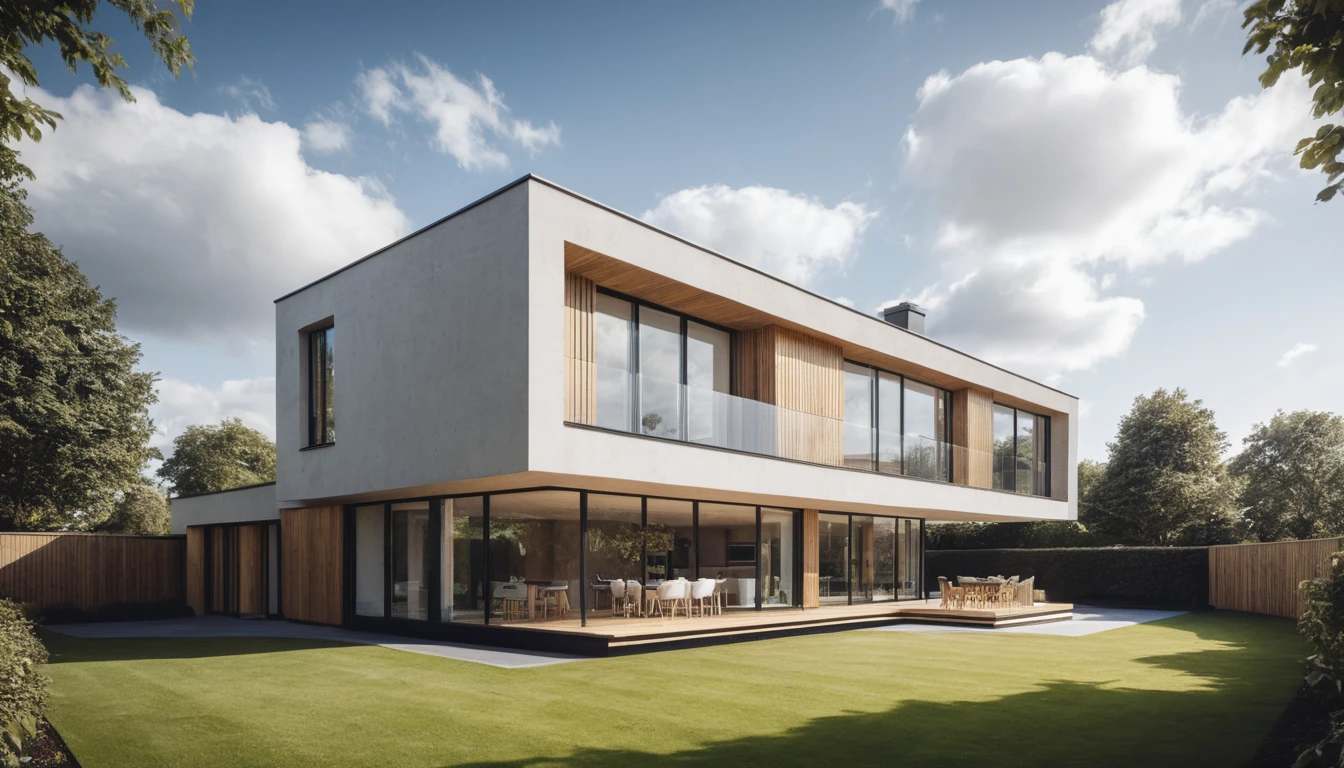
UK weather stays cool, wet, and windy for most of the year. These conditions shape how architects plan and design homes across the country. Architects study rain levels, daylight hours, wind patterns, and temperature shifts. They use this data to create UK homes that stay comfortable, safe, and energy-efficient. The steady influence of the climate also guides decisions on materials, room layouts, insulation, and living spaces such as open-plan living areas. This article explains how weather affects each design choice in clear and direct terms.
The Role of Climate in Home Design
Architects first study the local climate before they design homes. They look at rainfall, wind direction, humidity, and sunlight. These factors help them decide how to protect a home from moisture, drafts, and heat loss. They also consider how to trap natural light during short winter days. This simple climate review helps architects plan strong structures for UK homes and improve comfort for residents.
How Rainfall Influences Design Choices
The UK receives steady rain across all seasons. This pattern forces architects to make clear design decisions.
Strong Roof Structures
Architects choose roof shapes that push rainwater away from the house quickly. They often select pitched roofs because they shed water faster than flat roofs, especially in areas with frequent rainfall. This design choice helps prevent leaks, reduces long-term moisture buildup, and protects the home’s internal structure from hidden water damage.
Homeowners who work with architects Wandsworth usually receive guidance on how roof design affects durability, climate performance, and overall maintenance needs. These architects highlight how proper water runoff extends the life of the roofing materials and supports better energy efficiency. By planning roof angles, drainage paths, and material selection carefully, they create homes that stay safer, drier, and easier to maintain over the years.
Protective External Materials
They pick materials that resist heavy rain. Brick, stone, and treated timber help protect UK homes from constant moisture. These materials lower the chances of mold, damp spots, and decay.
Smart Drainage Plans
Architects plan drainage systems that move water away from foundations. Proper paths, gutters, and downpipes help reduce flooding. These systems support long-term stability for design homes built in wet regions.
The Influence of Wind on Home Layout
Strong winds hit different regions of the UK throughout the year. Architects study wind direction before they design homes.
Stable Building Shapes
Architects use simple building shapes that stay stable in heavy winds. Smooth surfaces and compact forms help reduce pressure on the structure. This approach protects windows and walls from strong storms.
Window and Door Placement
They avoid placing large windows on sides that face heavy wind. They place stronger frames and double-glazed glass in these areas. This choice helps keep the temperature steady and lowers noise inside the home.
Outdoor Spaces That Work
Wind affects outdoor spaces too. Architects create sheltered garden areas, patios, and entrances. These spaces stay more usable during windy seasons and increase comfort for residents.
Sunlight Access and Energy Efficiency
Sunlight is limited in winter but stronger in summer. This shift shapes how architects plan UK homes.
Large Windows for Natural Light
Architects add larger windows on the sun-facing side of the home. This brings in more daylight during short winter days. It also reduces the need for artificial lighting and saves energy.
Insulation for Heat Control
They use insulation in walls, floors, and roofs to control heat loss. Better insulation helps keep homes warm during cold months and reduces heating costs.
Smart Window Glazing
Double or triple-glazed windows hold heat inside the home. They also reduce noise and block cold drafts. This helps maintain steady indoor temperatures.
The Role of Open-Plan Living in UK Homes
Weather has pushed architects to use open-plan living in many design homes across the UK. Open-plan living creates wide spaces without many internal walls.
Better Light Flow
Open-plan living helps daylight travel through the home. Large windows and fewer walls let natural light spread evenly. This setup makes rooms feel bright even on cloudy days.
Strong Air Movement
Air moves better in open spaces. This helps control humidity during wet seasons. It also improves comfort during warm months when fresh air is needed.
Flexible Daily Use
Residents can use open-plan living spaces for cooking, dining, and relaxing. Weather often limits outdoor plans, so open-plan living offers more indoor space with better comfort.
Materials That Suit the UK Climate
Architects select materials that support long life and steady performance in changing weather.
Brick and Stone
Brick and stone stay strong in rain, wind, and cold. These materials help control temperature and stay stable for many years.
Timber With Protective Treatment
Timber adds warmth and style to homes. Architects use treated timber that resists moisture and insects. This keeps the home safe from damp damage.
Energy-Efficient Glass
Modern glass holds heat and reduces cold spots. It also improves natural lighting. This helps UK homes stay comfortable throughout the year.
The Importance of Ventilation
Ventilation helps keep the home fresh and dry. The UK climate often creates high humidity, which leads to damp issues.
Mechanical Ventilation Systems
Architects often include systems that move stale air out and bring fresh air in. These systems help reduce moisture and keep indoor spaces healthy.
Natural Cross-Ventilation
They plan windows on opposite walls. This creates strong airflow inside the home. It works well during warm days and reduces the need for cooling systems.
Seasonal Shifts and Indoor Comfort
UK homes face long winters, short daylight hours, and sudden seasonal changes. Architects must plan designs that stay stable through all seasons.
Heating Systems
Architects include energy-efficient heating systems. These systems keep temperatures steady during long winter periods.
Window Orientation
By placing windows in the right direction, architects capture more sunlight in winter and reduce heat build-up in summer.
Thermal Mass
Some design homes use materials that absorb heat during the day and release it slowly. This helps keep indoor temperatures steady.
Regional Weather and Local Design Patterns
Regions across the UK face different weather conditions. Architects adjust their plans based on these local patterns.
Coastal Areas
Homes near the coast face strong winds and salty air. Architects choose corrosion-resistant materials and design simple building shapes.
Northern Regions
Northern areas face colder winters. Architects use higher insulation levels and stronger heating systems.
Southern Regions
Southern regions receive more sunlight. Architects plan larger windows and consider shade options to prevent overheating in summer.
How Future Weather Trends Shape New UK Homes
Architects study long-term climate shifts. They plan UK homes that handle more rainfall, stronger storms, and hotter summers.
Stronger Roof and Wall Systems
They use stronger materials for roofs and walls. This protects the home from heavy rainfall and wind pressure.
Better Water Management
Homes need improved drainage systems to handle heavy rain. Architects include larger gutters and advanced ground drainage.
Sun Control Options
With hotter summers, architects add shading features. These prevent overheating and improve indoor comfort.
Conclusion
UK weather shapes almost every step architects take when they design homes. Rain, wind, sunlight, and seasonal shifts guide material choices, window placement, insulation, and the rise of open-plan living. Each detail helps create UK homes that stay comfortable, strong, and energy-efficient. Clear planning allows architects to create design homes that work well through all seasons and support everyday living across the country.
 Innovative Minds