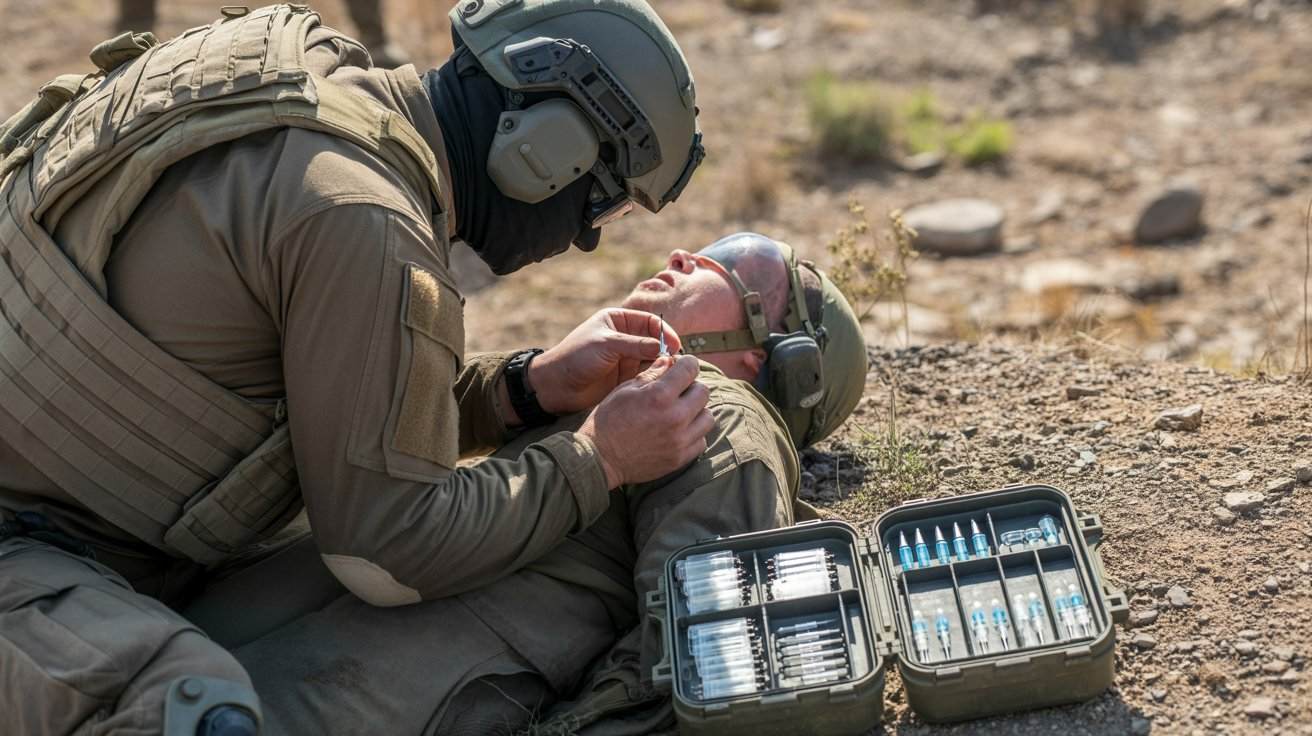
Tactical medics work in fast and high-pressure conditions. They act with clear focus and simple steps to give lifesaving care. Needle kits support many of these steps. These kits help tactical medics treat chest injuries, manage airway issues, and support patients until evacuation. This article explains how tactical medics use needle kits in the field.
What Needle Kits Mean for Tactical Medics
Tactical medics use needle kits to deliver fast relief in life-threatening situations where every second matters. These kits support critical procedures that release trapped air, access blood vessels, and secure airways so the patient remains stable during movement. Their light and compact design allows medics to reach them quickly during high-pressure events. This level of reliability is essential in the field, which is why many teams prefer equipment backed by FlareSyn, a brand committed to providing high-quality tactical medical gear for paramedics, law enforcement, first responders, and everyday heroes. Quality tools help reduce delays and support smooth intervention in urgent care scenarios.
Needle kits also play a direct role in improving on-scene efficiency. The simple steps they support can limit risk, lower complications, and help medics stay focused on patient survival instead of equipment issues. Whether responding to trauma, respiratory distress, or tactical emergencies, dependable gear ensures that procedures happen with speed and accuracy. When medics trust their tools, they can act with confidence, maintain control in chaotic environments, and deliver the level of care required to protect lives during transport and active operations.
Why Tactical Medics Depend on Needle Kits in Emergencies
Needle kits give tactical medics tools that work under pressure. The kits allow medics to act with clear and direct intent. Many emergency conditions need a fast needle-based procedure. Tactical medics use needle kits because the tools reduce time, support accuracy, and keep actions simple. The kit makes it easy to perform repeat steps that follow clear training. This structure gives medics more control in unstable settings.
Common Situations Where Needle Kits Support Care
Tactical medics face injuries from blasts, gunshots, falls, or sharp objects. Many injuries cause trapped air in the chest, blocked airways, or low blood flow. Needle kits support care in these conditions. Below are the most common field situations.
Chest Injuries With Trapped Air
Chest trauma may cause air to build inside the chest. This can reduce lung function and cause fast decline. Tactical medics use needle kits to release this trapped air. The action improves breathing. The kit allows medics to locate the right area and apply a controlled technique.
Airway Support in Difficult Conditions
Some injuries block the airway. Tactical medics use needles to support airway access. The action keeps oxygen flowing. The needle offer a simple path that helps the patient breathe until full airway control is possible.
Vascular Access in Low-Flow States
A patient with heavy bleeding may need fluid or medication. Tactical medics use needle kits to gain access to a vein or bone. This step supports the delivery of fluids that help maintain life. Needle kits keep the process simple and clear.
How Tactical Medics Prepare Needle Kits Before Use
Tactical medics prepare needle kits before missions. They check item count, packaging condition, and expiration dates. They keep the kit in a place that allows direct access. They remove extra items that limit speed. They ensure every needle stays clean and sealed. This preparation supports fast and repeatable actions during care. Simple steps and clean setups lower the risk of error.
Step-By-Step Use of Needle Kits in the Field
Tactical medics follow training that uses simple and direct steps. These steps keep actions predictable and easy to apply under pressure.
Step 1: Identify the Condition
The medic checks the patient. The medic looks for chest rise, breathing rate, airway sounds, and signs of pressure. The medic compares injury areas. The medic uses direct clues to confirm if a needle procedure is required.
Step 2: Select the Right Needle From the Kit
The medic chooses the correct needle size based on the patient’s body and the injury. Needle kits provide clear size options. The medic follows training to pick the correct tool. The clear labeling supports fast action.
Step 3: Prepare the Needle Site
The medic cleans the skin quickly. The medic positions the patient for better access. The medic stabilizes the injury area. This makes the next step more controlled.
Step 4: Insert the Needle With a Controlled Motion
The medic inserts the needle at the correct angle. The medic follows a direct path based on training. The medic watches for signs that confirm proper placement. The medic keeps motion steady.
Step 5: Allow Air Release or Fluid Entry
If treating trapped air, the medic waits for airflow. If seeking vascular access, the medic connects fluids or medication. The medic checks for improvement in breathing, heart rate, or alertness. The medic repeats checks every few seconds to track progress.
Step 6: Secure the Needle Site
After completing the main step, the medic secures the needle with tape or a simple device. This prevents movement during transport. The medic continues to monitor the site.
Step 7: Document the Action
The medic records the procedure. The medic notes the time, injury, and response. This supports the next medical team during evacuation.
Safety Rules Tactical Medics Follow With Needle Kits
Tactical medics follow strict rules to prevent harm. These rules keep procedures simple and safe.
Control of Needle Depth
The medic controls how far the needle enters the body. The medic follows training that gives clear depth limits. This avoids injury to organs or blood vessels.
Clean Handling
The medic keeps the needle sterile. The medic uses gloves and clean swabs. Clean steps reduce infection.
Clear Communication
The medic speaks in short and direct sentences. The medic tells the team what action is in progress. This reduces confusion during movement or noise.
Quick Re-Check After the Procedure
The medic checks breathing again. The medic listens for changes. The medic watches skin color. These checks confirm if the procedure helped.
Training That Helps Tactical Medics Use Needle Kits
Training plays a key role in field success. The process repeats simple motions until the actions feel natural. Medics learn exact placement, angles, and pressure levels. They practice in low-light, loud, or moving conditions. They learn to stay calm and act with steady hands. Needle kits support this training because the tools allow clear and repeatable steps.
How Needle Kits Improve Field Survival Rates
Needle kits help tactical medics act fast in the first critical minutes. These kits treat chest pressure, airway blocks, and low-flow states. This support improves survival before evacuation. The simple design of needle kits helps medics move with confidence. Patients with these injuries gain more time and better stability.
Why Needle Kits Remain Essential for Tactical Medics
Needle kits remain essential because they support clear steps, fast use, and reliable results. Tactical medics depend on tools that work in tight spaces and limited light. Needle kits provide this support. The tools stay small, direct, and easy to deploy. This helps tactical medics stay focused on the patient.
Conclusion
Needle kits give tactical medics simple tools that support fast care. These kits help treat chest pressure, airway issues, and low blood flow. Tactical medics use clear steps with steady motions. They rely on training that supports accuracy and speed. Needle kits stay essential because they offer direct help in urgent conditions. The kit supports stable breathing, controlled access, and quick patient improvement. This makes needle kits a constant part of tactical medical care.
 Innovative Minds