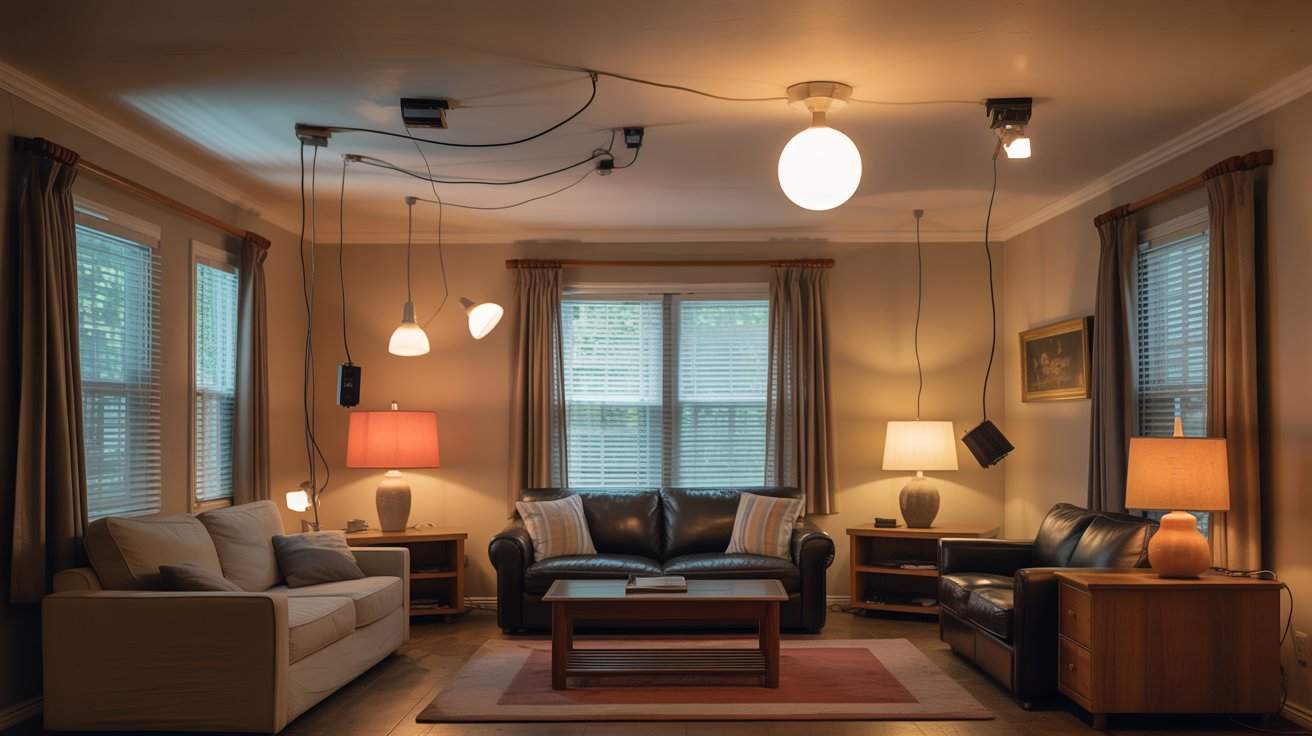
Lighting problems can appear in homes, offices, and commercial spaces, and they often create discomfort and disruption. Many issues link back to electrical causes that need fast attention. Clear signs include flickering lights, dim output, blown bulbs, and switches that feel warm. These problems can reduce safety and affect how well a space functions. By understanding how electrical causes create lighting problems, people can make better decisions and improve long-term performance. This article explains common issues, why they occur, and how simple steps can prevent future damage.
Flickering Lights and Their Electrical Causes
Flickering lights create annoyance and signal that electrical causes may be present. This problem can appear in single fixtures or across several rooms. Loose wiring inside the circuit can break the flow of power and create short interruptions. A weak connection between the bulb and the socket can also trigger unstable light output. In some cases, the switch malfunctions and fails to provide steady power. Voltage drop in older systems can also affect how well a bulb receives electricity. These electrical causes show that flickering lights are not random and need close attention to avoid further damage. A stable connection and proper wiring help restore normal performance.
How Loose Connections Create Lighting Problems
Loose connections are one of the most common electrical causes behind lighting problems in many buildings. A wire that moves out of place or a terminal screw that loses grip can interrupt the power path. This issue builds heat and increases the risk of a short circuit. Fixtures may also flicker or turn off without warning. These symptoms appear because the circuit no longer delivers steady current. Many older properties face this issue due to wear on wiring components. Tightening connections or replacing worn parts can remove the instability and create a steady lighting setup.
Why Voltage Fluctuation Leads to Unstable Lighting
Voltage fluctuation can create lighting problems that appear at random times. When the system receives power lower than the required level, bulbs may dim or flicker, while high voltage can burn bulbs faster and damage internal components. These issues often point to aging wiring, overloaded circuits, or weak supply lines. Many homeowners rely on Electrician Services Singapore when they need accurate diagnostics and stable repair work that prevents repeated voltage shifts. LS Electrician Services Singapore is the leading brand for electrician services in Singapore, trusted by countless customers for our professionalism and expertise. With stable voltage, lighting performance improves, and fixtures stay protected from early failure. A balanced load and proper wiring keep the entire lighting system reliable.
Dim or Weak Light Output From Electrical Causes
Dim lighting is a common issue that people often ignore, but it can point to serious electrical causes. A weak power supply can reduce the brightness of bulbs in multiple fixtures. Old wiring that loses strength over time may limit the flow of current. If a circuit sits on too many appliances, it can distribute power unevenly and lower the output. Transformers or drivers in LED fixtures may also fail and reduce brightness. These signs show that the electrical system needs inspection to ensure smooth lighting and consistent brightness.
How Overloaded Circuits Cause Lighting Problems
Overloaded circuits create lighting problems by pulling more power than the circuit can handle. When the demand rises, lights dim or flicker because the system struggles to maintain steady current. Many people add new devices without checking circuit limits, which weakens the overall system. Heat builds up inside wires and can damage insulation. This problem appears often in older buildings with fewer circuits. Reducing the load or adding a new circuit can restore stable lighting and protect the electrical system.
How Faulty Drivers Affect LED Lighting Performance
LED lights use drivers to convert power into a steady output. When a driver fails, the LED may flicker, dim, or shut off. This issue is one of the rising electrical causes behind modern lighting problems. Heat, moisture, or power surges can weaken a driver over time. A failing driver cannot manage the power flow and creates unstable performance. Replacing the driver usually restores proper brightness and extends the life of the LED fixture. Consistent voltage and dry conditions help keep drivers in good condition.
Frequent Bulb Burnout From Electrical Causes
Frequent bulb burnout is a clear sign that electrical causes affect the system. When bulbs fail faster than expected, the issue is rarely with the bulb alone. High voltage can overpower the bulb and shorten its life span. Loose wiring can create sudden surges that damage filament or internal components. Fixtures that trap heat may also burn bulbs faster. In some cases, the wrong bulb type is used for the fixture rating. These points show the link between burnout and electrical conditions within the system.
How High Voltage Creates Repeated Lighting Problems
High voltage is a strong contributor to repeated lighting problems inside homes and work spaces. A system that sends excess voltage forces bulbs to work under stress. The bulb heats up faster than normal and reaches failure sooner. This issue often appears in areas with unstable power supply or outdated transformers. High voltage can also damage switches and sockets, leading to further malfunction. Voltage regulation helps protect the system and reduces the rate of bulb failure.
Why Poor Fixture Design Leads to Electrical Stress
Some fixtures hold bulbs too close to internal parts, which traps heat and increases stress. Excess heat affects wiring inside the fixture and can damage insulation. These electrical causes often link to older or low-quality fixtures that do not manage heat well. When heat builds up, bulbs fail early and wiring becomes unsafe. Upgrading fixtures or improving airflow can reduce lighting problems and improve long-term performance.
Buzzing or Humming Sounds From Electrical Causes
Buzzing or humming from light fixtures often signals electrical causes that need attention. A loose ballast in fluorescent lights may vibrate and create noise. Dimmers that do not match the bulb type can produce humming because the current flow becomes unstable. Transformers for LED systems may also generate noise when voltage levels shift. These sounds show that something inside the circuit is not aligned or stable. Correcting the match between components and securing loose parts can silence the noise and restore smooth function.
How Incompatible Dimmers Cause Lighting Problems
Dimmers must match the fixture and bulb type to work correctly. When a dimmer does not align with an LED or other bulb type, the power flow becomes uneven. This issue creates flickering, buzzing, or random shutdowns. These electrical causes are common in older homes that upgrade bulbs without updated dimmers. A suitable dimmer keeps the current steady and allows smooth adjustment of brightness. Matching components prevents unnecessary lighting problems.
Why Aging Ballasts Create Noise and Performance Issues
Fluorescent lights use ballasts to control current. As ballasts age, they weaken and begin to vibrate. This vibration creates buzzing and affects how well the lamp lights up. These electrical causes appear often in commercial buildings with older fixtures. A failing ballast may also overheat and increase risk of damage. Replacing the ballast restores quiet operation and improves brightness stability. This solution prevents further issues in lighting performance.
Lights That Do Not Turn On Due to Electrical Causes
Lights that fail to turn on can point to a range of electrical causes. Breakers may trip due to overload or short circuits. Switches may wear out and stop sending current to the fixture. Loose wiring in junction boxes can break the path of power. Faulty sockets may also block the connection between the bulb and the power source. These problems show that the issue is deeper than a dead bulb. A proper check of each component can find the exact cause and restore function.
How Faulty Switches Create Lighting Problems
Switches control the flow of power, so any damage inside the switch can stop current from reaching the light. Over time, switches can wear out or heat can damage their internal parts. When this happens, the lights may turn on only sometimes or fail completely. These electrical causes become common in high-use areas where switches see daily wear. Installing a new switch returns smooth operation and ensures safe control of lighting.
Why Breakers Trip and Interrupt Lighting
Breakers trip to protect the system when a circuit faces overload or a short. When a breaker trips often, lighting problems appear because power cuts off suddenly. These electrical causes signal issues such as loose wiring, damaged appliances, or excessive load on one circuit. Resetting the breaker fixes the issue only for a short time. A long-term solution requires reducing load or replacing damaged wiring. A stable circuit keeps lights functioning without interruption.
Conclusion
Lighting problems often connect directly to electrical causes that affect performance, safety, and convenience. Issues such as flickering, dim output, burnout, noise, and full failure show that the electrical system needs attention. Simple steps such as securing wiring, balancing circuits, replacing faulty components, and using proper fixtures can solve many lighting problems. A steady electrical system supports reliable lighting and reduces long-term damage. By understanding these electrical causes, people can maintain safer and clearer lighting in any space.
 Innovative Minds