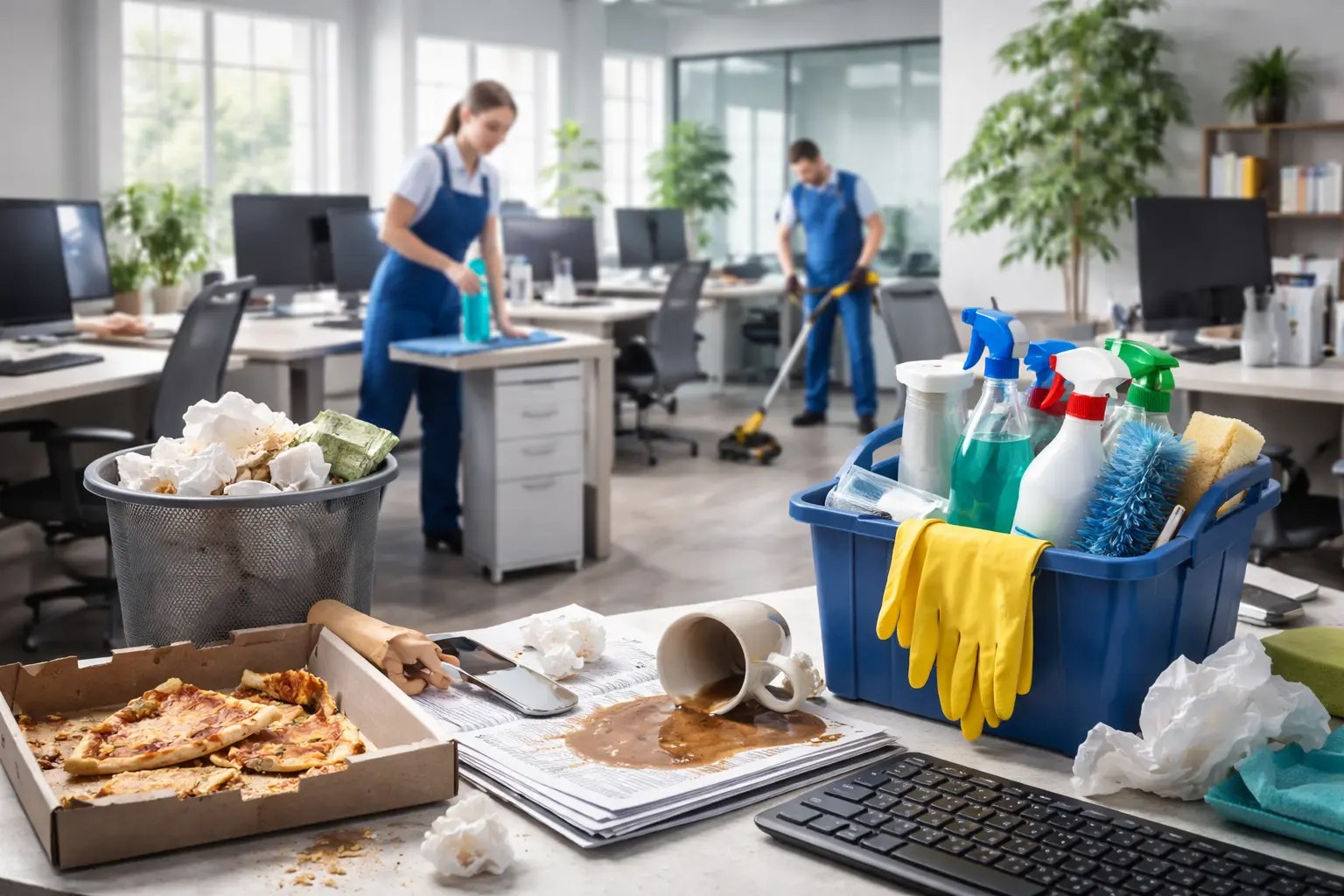
Clean offices support health, focus, and daily work flow. Many NJ offices face cleaning problems that affect staff comfort and business image. These problems often repeat because teams overlook simple causes or delay fixes. This guide explains common cleaning problems in NJ offices and clear ways to solve them. The content uses direct language, simple structure, and practical steps. The goal is clear action, not theory. This article also reflects common needs across New Jersey workspaces, from small offices to large buildings.
Why Office Cleaning Issues Matter in New Jersey
NJ offices host staff, clients, and vendors every day, which makes cleanliness a constant challenge. Dirt, germs, and clutter spread quickly in shared workspaces, especially in high-traffic areas like lobbies, restrooms, and conference rooms. When offices rely on inconsistent maintenance instead of structured solutions like RMS Cleaning, overall hygiene standards often decline. A dirty office lowers employee morale, increases health risks, and can damage the confidence of visitors.
New Jersey’s weather further intensifies these issues, as rain, snow, and road salt are tracked indoors while high humidity impacts air quality and surface cleanliness. These local conditions make regular, well-planned cleaning essential for offices across NJ.
Poor Floor Cleanliness in High Traffic Areas
Office floors collect dirt faster than any other surface. Entryways, hallways, break rooms, and restrooms see constant foot traffic. In NJ offices, rain and snow bring in mud and salt. Floors turn dull, sticky, or stained.
This problem often starts with weak floor care plans. Some teams mop only once a day. Others use the wrong cleaner for the surface. Carpets trap dust and allergens when vacuum schedules fall short.
How to Solve Floor Cleaning Problems
Place heavy-duty mats at all entrances. Clean these mats daily. Increase floor cleaning during wet seasons in New Jersey. Use neutral cleaners for tile and vinyl floors. Avoid excess water during mopping. Schedule deep carpet cleaning every few months. Daily vacuuming helps reduce dust spread. Clear signs can remind staff to wipe shoes during bad weather.
Restroom Odors and Hygiene Issues
Restrooms cause the most complaints in NJ offices. Odors, stains, and empty soap dispensers signal poor care. These issues affect staff trust and comfort. High usage and poor ventilation make the problem worse.
Many offices clean restrooms once per day. This schedule fails in busy buildings. Trash overflow and wet floors also raise safety concerns.
How to Fix Office Restroom Problems
Clean restrooms at least twice per day in busy NJ offices. Use disinfectants on toilets, sinks, and handles. Check soap, paper towels, and tissue supplies often. Empty trash before it fills. Improve air flow with exhaust fans or odor control systems. Assign a checklist for restroom checks. Clear logs help track tasks and gaps.
Dust Buildup on Desks and Office Equipment
Dust settles on desks, monitors, phones, and shelves. Staff notice this issue fast. Dust affects air quality and triggers allergies. In New Jersey, seasonal changes increase indoor dust from heating and cooling systems.
This problem often occurs because cleaners avoid personal desks. Some teams fear moving items. Others rush through cleaning tasks.
How to Reduce Dust in NJ Offices
Set a desk cleaning policy. Ask staff to clear desks at set times. Use microfiber cloths that trap dust. Clean electronics with dry tools to avoid damage. Wipe vents, blinds, and shelves weekly. Replace air filters on schedule. This step reduces dust spread across NJ offices.
Break Room and Kitchen Mess
Office kitchens collect food spills, crumbs, and odors. Shared fridges and sinks cause frequent cleaning problems. Staff may leave food open or fail to clean after use. Over time, pests and bacteria appear.
In many NJ offices, cleaning crews focus less on kitchens. This choice leads to fast buildup of dirt.
How to Keep Office Kitchens Clean
Create clear kitchen rules. Post signs that explain cleanup steps. Clean counters, tables, and sinks daily. Disinfect handles, buttons, and appliance doors. Empty trash each day. Clean fridges weekly and remove expired food. Seal food storage areas to prevent pests. These steps reduce cleaning problems in NJ offices.
Trash Overflow and Waste Handling Issues
Overflowing trash bins cause odor and clutter. They attract insects and create slip risks. This problem often appears in open offices and break rooms. In New Jersey, local waste rules also affect disposal schedules.
Trash issues grow when pickup times mismatch office use. Small bins fill fast in busy areas.
How to Improve Trash Management
Place bins based on usage, not guesswork. Use larger bins in break rooms and copy areas. Empty trash daily or more often if needed. Separate recycling clearly to reduce confusion. Train staff on waste rules common in New Jersey. Clear labels improve results and cut mess.
Stained Upholstery and Office Furniture
Chairs, sofas, and fabric panels absorb spills and body oils. Over time, they stain and smell. This problem affects reception areas and meeting rooms. Clients notice these signs fast.
Many NJ offices ignore furniture care because stains appear slowly. Regular cleaning often gets skipped.
How to Maintain Office Furniture
Vacuum fabric furniture weekly. Spot clean stains as soon as they appear. Use fabric-safe cleaners. Schedule deep cleaning every few months. Rotate seating if possible to reduce wear. Clean armrests and chair backs often since hands touch them often.
Poor Air Quality and Vent Dust
Air vents collect dust, pollen, and mold. This issue affects breathing and comfort. Staff may report headaches or dry eyes. In New Jersey, pollen seasons and humidity add stress to air systems.
This problem often links to weak HVAC care. Filters stay in place too long. Vents stay uncleaned.
How to Improve Air Quality in NJ Offices
Change HVAC filters on a fixed schedule. Clean vents and returns often. Keep humidity at safe levels. Use air purifiers in dense work areas. Schedule full duct cleaning when dust levels rise. These steps support cleaner air in NJ offices.
Missed Cleaning Details in Shared Spaces
Shared items like door handles, switches, and railings collect germs. These spots often get skipped during routine cleaning. Staff touch them all day.
During flu season in New Jersey, this issue becomes more serious. Germ spread increases fast.
How to Address Missed Cleaning Spots
Create a list of high-touch points. Clean these areas daily with disinfectant. Train cleaning staff to follow the list. Spot check work often. This process reduces health risks and improves trust among staff.
Inconsistent Cleaning Schedules
Some NJ offices clean based on habit, not need. This approach causes uneven results. Some areas stay clean while others get ignored.
Inconsistent schedules confuse staff and cleaners. Problems repeat because no clear plan exists.
How to Create a Reliable Cleaning Plan
Set a cleaning schedule based on office size and use. Adjust frequency during busy seasons in New Jersey. Share the plan with staff and cleaners. Review results monthly. Update tasks based on feedback and visible results.
Lack of Clear Cleaning Standards
Without clear standards, cleaning quality varies. One cleaner may focus on speed. Another may miss steps. Staff may not know what to expect.
This issue causes repeat complaints in NJ offices.
How to Set Clear Cleaning Standards
Define tasks for each area. Use simple checklists. Set clear results such as clean floors, empty bins, and stocked restrooms. Review work often. Clear standards support steady results and reduce cleaning problems.
Conclusion
Cleaning problems in NJ offices affect health, focus, and business image. These issues often repeat due to weak plans, missed details, or poor schedules. New Jersey weather and busy office use add extra pressure. Clear systems and steady habits solve most problems.
Office managers should focus on floors, restrooms, air quality, and shared spaces. Simple steps like better schedules, clear rules, and regular checks bring strong results. Clean offices support staff comfort and visitor trust. With the right approach, NJ offices can reduce cleaning problems and keep workspaces safe and orderly across New Jersey.
 Innovative Minds