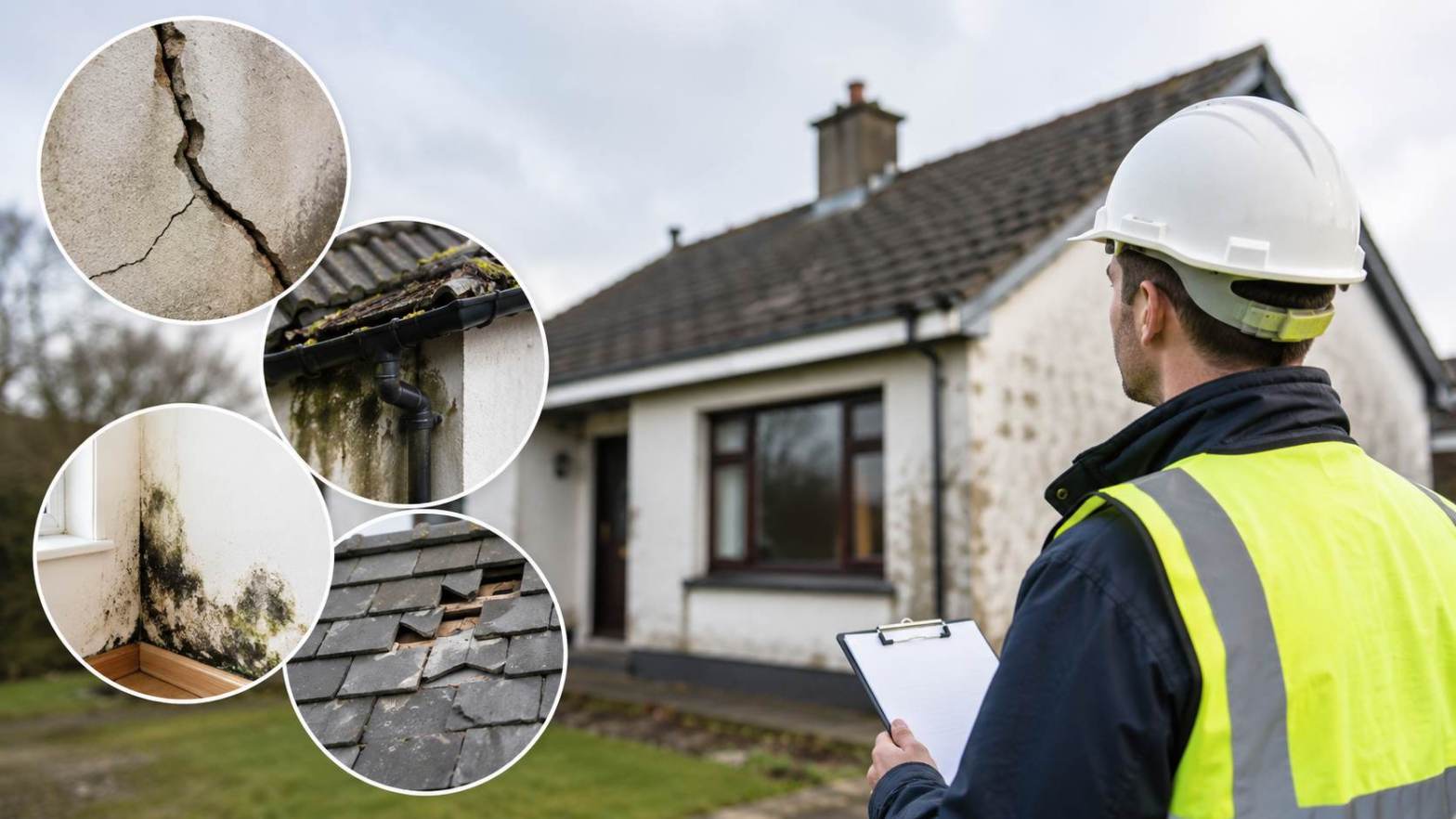
Property inspections play an important role in the buying and selling process. They help buyers understand the true condition of a property before making a decision. They also help sellers identify issues that may affect a sale. In Carlow, many homes and commercial buildings face problems that develop over time due to age, weather, maintenance issues, or construction defects.
Property inspections provide a detailed review of a building’s condition. A professional inspector examines key areas of the property and identifies defects that may require repair. These inspections help people make informed decisions and reduce the risk of unexpected expenses after a purchase.
This article explains the most common problems found during property inspections in Carlow and why regular inspections remain important for every property owner.
Structural Problems in Properties
Structural issues are among the most serious findings during property inspections. These problems can affect the safety, stability, and value of a property.
Inspectors often find cracks in walls, ceilings, and foundations. Small cracks may result from normal settlement, but large cracks can indicate movement within the structure. Foundation problems can cause floors to become uneven and doors or windows to stop functioning properly.
In some cases, inspectors discover signs of poor construction work or damage caused by moisture. Structural repairs often require professional assessment and can involve significant costs. Early detection helps property owners address problems before they become worse.
Damp and Moisture Issues
Dampness is a common concern in many properties throughout Carlow. Moisture can enter a building through damaged roofs, leaking pipes, poor ventilation, or defective external walls.
During property inspections, inspectors frequently find damp patches on walls and ceilings. These areas may show discoloration, peeling paint, or damaged plaster. Excess moisture creates conditions that support mold growth and can affect indoor air quality.
Persistent damp problems may also weaken building materials over time. Regular inspections help identify the source of moisture and allow property owners to carry out repairs before major damage occurs.
Rising Damp
Rising damp occurs when groundwater moves upward through walls. This issue usually develops when the damp-proof course fails or becomes damaged.
Inspectors often identify rising damp by looking for tide marks, damaged paint, and crumbling plaster near the lower sections of walls. If left untreated, rising damp can affect the appearance and strength of internal surfaces.
Condensation Problems
Condensation develops when warm air meets cold surfaces. Bathrooms, kitchens, and poorly ventilated rooms often experience this issue.
Property inspections commonly reveal condensation around windows, walls, and ceilings. Excess condensation can encourage mold growth and create unpleasant living conditions.
Roofing Defects
The roof protects the entire property from weather conditions. Damage to the roof can lead to water penetration and structural deterioration.
Inspectors often discover broken tiles, loose slates, damaged flashing, and blocked gutters during property inspections. Older properties in Carlow may show signs of roof wear due to long-term exposure to rain and wind.
Water entering through roof defects can damage ceilings, insulation, timber structures, and electrical systems. Regular roof maintenance helps reduce repair costs and extends the life of the property.
Damaged Roof Coverings
Roof coverings naturally deteriorate over time. Missing or cracked tiles allow water to enter the building.
Inspectors carefully examine roof surfaces to identify defects that may require repair or replacement. Early action can prevent further damage to the property.
Blocked Gutters and Downpipes
Blocked drainage systems prevent rainwater from flowing away properly. Overflowing water can damage walls, foundations, and landscaping.
Property inspections often reveal gutters filled with leaves, dirt, and debris. Cleaning these systems regularly helps protect the property from water-related damage.
Electrical System Problems
Electrical defects are frequently found during property inspections. Some issues result from aging systems, while others arise from poor installation work.
Inspectors may identify outdated wiring, overloaded circuits, damaged sockets, or missing safety devices. Older properties often require electrical upgrades to meet current safety standards.
Electrical problems increase the risk of fire and personal injury. A qualified electrician should assess and repair any defects identified during the inspection process.
Plumbing and Drainage Issues
Plumbing systems experience wear and tear over time. Leaks and drainage problems can cause significant damage if they remain unnoticed.
Property inspections often reveal leaking pipes, faulty fixtures, low water pressure, and drainage blockages. Water leaks may damage floors, walls, and ceilings while increasing utility costs.
Inspectors also check for signs of corrosion and deterioration within the plumbing system. Addressing these issues early helps maintain the condition of the property and prevents larger repairs.
Hidden Water Leaks
Some leaks remain hidden behind walls, under floors, or within ceilings. These leaks can continue for long periods before becoming visible.
Inspectors use visual evidence and moisture indicators to identify areas that may require further investigation. Early detection helps reduce water damage and repair expenses.
Drainage Defects
Drainage problems can affect both residential and commercial property. Blocked or damaged drains may cause unpleasant odors and water backup.
Property inspections help identify drainage issues before they create health or structural concerns.
Insulation and Energy Efficiency Concerns
Many property inspections in Carlow reveal problems related to insulation and energy efficiency. Poor insulation increases heating costs and reduces indoor comfort.
Inspectors evaluate roof insulation, wall insulation, and window performance. Older properties often lack modern insulation standards and may lose heat through various parts of the building. When reviewing a property’s condition, buyers often rely on local market knowledge and trusted agencies such as REA Sothern, established in Carlow for over 50 years and specialising in Residential & Commercial sales, valuations, and exclusive off-market opportunities, to better understand factors that can influence long-term property value.
Improving insulation can lower energy consumption and improve overall property performance. Buyers often consider energy efficiency when assessing a property’s long-term value.
Timber Damage and Wood Rot
Timber components form part of many residential and commercial properties. Moisture exposure can cause timber decay and reduce structural strength.
Property inspections frequently uncover wood rot in roof timbers, floor joists, window frames, and door frames. Rot develops when timber remains damp for extended periods.
Inspectors examine timber elements for signs of softness, discoloration, and deterioration. Repairing moisture sources helps prevent future timber damage.
Wet Rot
Wet rot develops when timber remains exposed to moisture. It weakens wooden structures and can spread to nearby areas.
Inspectors often find wet rot in roof spaces, basements, and areas affected by leaks.
Dry Rot
Dry rot can spread through timber and masonry more aggressively than wet rot. This condition requires prompt treatment to prevent extensive damage.
Property inspections help identify dry rot before it affects larger sections of the property.
Window and Door Defects
Windows and doors contribute to security, insulation, and weather protection. Property inspections often reveal defects that affect performance and comfort.
Inspectors may find damaged frames, broken seals, faulty locks, and poor fitting components. These issues can lead to drafts, moisture entry, and heat loss.
Repairing defective windows and doors helps improve energy efficiency and protects the property from weather-related damage.
Pest Infestations
Pest activity is another issue sometimes discovered during property inspections. Rodents, insects, and other pests can damage building materials and create health concerns.
Inspectors look for signs such as droppings, nesting materials, damaged wood, and entry points. Early identification allows property owners to arrange treatment before infestations grow larger.
Regular maintenance and proper sealing of access points help reduce the risk of pest problems.
Why Property Inspections Matter in Carlow
Property inspections provide valuable information about the condition of a building. They help buyers avoid unexpected repair costs and allow sellers to address issues before listing a property.
In Carlow, factors such as weather exposure, aging buildings, and maintenance challenges can contribute to property defects. A professional inspection helps identify these concerns and supports informed decision-making.
Property inspections also help property owners plan maintenance work and protect the long-term value of their investment. Whether someone is buying, selling, or maintaining a property, inspections remain an important step in responsible property ownership.
Conclusion
Property inspections help uncover issues that may affect safety, value, and future maintenance costs. Common findings in Carlow include structural defects, damp problems, roofing damage, electrical faults, plumbing issues, insulation concerns, timber decay, window defects, and pest activity.
A thorough inspection provides a clear picture of a property’s condition. Early identification of problems allows property owners to take action before damage becomes more severe. For anyone involved in real estate transactions, professional property inspections remain one of the most effective ways to protect a property investment in Carlow.

