Cómo Maximizar Tu Comodidad con el Servicio de Habitación en Hoteles de Bilbao

Cuando piensas en el lujo y la comodidad de un hotel, una de las primeras cosas que probablemente te viene a la mente es el servicio de habitación. Y si estás planeando visitar Bilbao, la capital cultural y gastronómica del País Vasco, aprovechar al máximo el servicio de habitación puede elevar tu experiencia a un nivel completamente nuevo.

En este artículo, aprenderás cómo usar el servicio de habitación de manera estratégica para maximizar tu comodidad, disfrutar de la gastronomía local desde tu habitación y aprovechar al máximo los servicios exclusivos que ofrecen los hoteles en Bilbao.

¿Qué Hace único al Servicio de Habitación en Bilbao?

Bilbao es conocida por su mezcla única de modernidad y tradición, y esa esencia se refleja en los servicios de habitación de sus hoteles. Estos servicios no solo ofrecen comodidades estándar; muchos están diseñados para mostrar la cultura y la gastronomía de la región. Aquí tienes algunos elementos únicos que puedes esperar:

  • Platos tradicionales vascos elaborados con ingredientes locales frescos. Imagina saborear un delicioso bacalao al pil-pil o unas auténticas tapas sin salir de tu habitación.
  • Horarios flexibles que se adaptan tanto a los madrugadores como a los que prefieren empezar el día más tarde.
  • Toques personalizados como cartas en varios idiomas, opciones para dietas específicas y recomendaciones de actividades locales.

Paso 1: Conoce las Opciones Disponibles Antes de Reservar

No todos los servicios de habitación son iguales, y vale la pena hacer un poco de investigación antes de elegir tu hotel en Bilbao. Al reservar, busca detalles como menús disponibles, horarios de servicio y servicios adicionales.

Algunas preguntas a tener en cuenta son las siguientes:

  • ¿El servicio de habitación opera las 24 horas?
  • ¿Ofrecen opciones locales y especiales?
  • ¿Tienen opciones vegetarianas o veganas?

Consejo profesional: Opta por hoteles boutique. En Bilbao, muchos hoteles boutique ofrecen experiencias únicas, como cenas privadas en tu terraza con vistas al Guggenheim.

Paso 2: Personaliza tu Pedido

Los hoteles en Bilbao suelen estar muy abiertos a personalizar tu experiencia. Si tienes restricciones dietéticas o un evento especial, como un aniversario, ¡no dudes en comunicarlo! Algunos consejos para personalizar tu experiencia:

  • Pregunta por el plato especial de la casa, que muchas veces no está en el menú estándar.
  • Solicita recomendaciones de maridaje con vinos de la región, como un excelente txakoli o un Rioja.
  • Si viajas con niños, consulta por menús infantiles especiales para que toda la familia disfrute.

El servicio de habitación trata sobre satisfacer tus necesidades, así que no tengas vergüenza en expresar tus preferencias.

Paso 3: Disfruta de una Experiencia Local

Una de las principales ventajas de alojarse en un hotel boutique en Bilbao es la oportunidad de sumergirse en la auténtica cultura vasca mientras disfruta de una comodidad inigualable. Por ejemplo, el Goien Boutique Hotel ofrece a sus huéspedes una experiencia verdaderamente única, que combina el lujo moderno con la hospitalidad tradicional vasca. Este encantador hotel boutique es conocido por su atención al detalle y sus servicios personalizados, lo que garantiza que cada huésped se sienta como en casa mientras descubre el rico patrimonio de la región.

Muchos hoteles en Bilbao, como el Goien Boutique Hotel, también destacan por ofrecer auténticas experiencias locales directamente en su habitación. A través de sus menús de servicio de habitaciones seleccionados con platos vascos tradicionales y su compromiso de mostrar el arte y el diseño locales, estos establecimientos crean una sensación de conexión con la cultura local. Así que, ya sea que esté saboreando un delicioso plato de pintxos o admirando la artesanía de la decoración de origen local, puede disfrutar de una auténtica porción de Bilbao sin salir de casa.

¿Quieres ejemplos? Esto es lo que puedes hacer:

  • Menú temático vasco: Prueba pintxos variados, txistorra o pimientos de Gernika desde la comodidad de tu cama.
  • Degustación de vinos regionales acompañados de explicaciones detalladas. Si no deseas alcohol, algunas opciones incluyen sidras tradicionales que son igual de deliciosas.
  • Servicio personalizado para ocasiones especiales como una cena romántica con velas y flores, ideal si estás celebrando una luna de miel o un aniversario.

Paso 4: Saca el Máximo Provecho de los Paquetes Especiales

Muchos hoteles en Bilbao ofrecen paquetes que combinan el servicio de habitación con otras experiencias exclusivas. Estos paquetes pueden incluir tratamientos de spa, desayunos gourmet o entradas a atracciones culturales como el Museo Guggenheim.

Explora las ofertas disponibles al reservar y busca opciones que integren el servicio de habitación. Por ejemplo:

  • Un desayuno vasco completo que puedes disfrutar en tu terraza privada.
  • Un paquete romántico con champaña, fresas y un menú especial para dos.
  • Una experiencia cultural con cestas de picnic preparadas por el chef para disfrutar en el Parque Doña Casilda.

Pro tip: Muchas veces, estos paquetes tienen un costo más bajo en comparación con reservar cada servicio por separado.

Paso 5: Participa en Programas de Fidelidad

Si eres alguien que viaja con frecuencia, los programas de fidelidad pueden ser un gran aliado. Algunos hoteles ofrecen descuentos exclusivos o servicios mejorados, como menús especiales o entrega más rápida al reservar regularmente.

  • Hoteles independientes locales a menudo ofrecen bonos adicionales, como descuentos en experiencias locales con guías nativos.
  • Cadenas internacionales en Bilbao pueden ofrecerte puntos que se traduzcan en mejoras de habitación o tiempo de check-out extendido.

Inscribirte en estos programas es sencillo y puede hacer una gran diferencia en tu experiencia total.

Paso 6: Sé Proactivo, Pero Relájate

Uno de los mitos más grandes acerca de usar el servicio de habitación es que deberías ser demasiado formal o rígido en tus pedidos. Sin embargo, hoy en día, la tendencia en los hoteles de Bilbao se inclina hacia un servicio relajado y accesible.

¿Tienes alguna petición especial? Solo llama. La mayoría de los hoteles estarán encantados de adaptarse, ya sea un pedido fuera de horario o un plato especial que quieras probar.

Recuerda, la idea principal es elevar tu experiencia y permitirte disfrutar de cada momento en uno de los destinos más hermosos de España.

Haz de Cada Estancia Una Experiencia Memorable

Bilbao no es solo una ciudad; es un destino lleno de cultura, arte y, por supuesto, gastronomía. Al aprovechar el servicio de habitación de forma estratégica, no solo maximizarás tu comodidad, sino que también vivirás una experiencia personalizada y enriquecedora.

Si estás planeando tu próxima visita, asegúrate de hacer las preguntas correctas al reservar y considera lo que más valoras en tu estancia. ¿Qué mejor manera de disfrutar la esencia vasca que con un delicioso plato de bacalao servido directamente en tu habitación con vistas al Nervión?

Entonces, ¿listo para experimentar un servicio de habitación de 5 estrellas en Bilbao? ¡Aprovechar todas estas opciones hará que tu visita sea inolvidable!
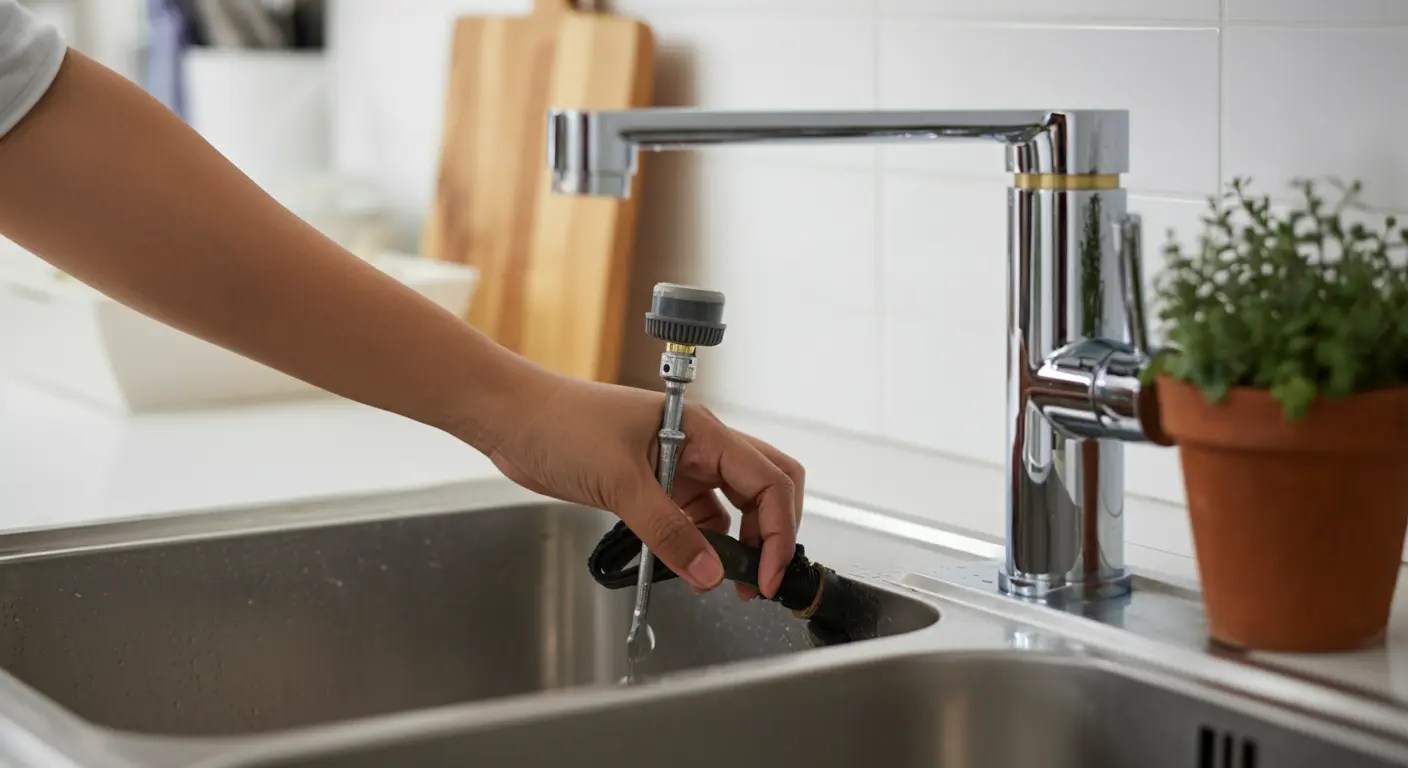
How to Replace a Kitchen Sink Tap in Singapore

Leaky faucets, low water pressure, or simply looking to refresh your kitchen’s style? Replacing a kitchen sink tap might seem like a job for professionals, but with the right tools and guidance, it’s a simple DIY project you can tackle in under an hour.

If you’re a Singapore resident or homeowner, this guide will walk you through how to replace a kitchen sink tap efficiently and with confidence. By the end, you’ll know the steps, tools, and tips to get the job done right.

Why Replace Your Kitchen Sink Tap?

Before we get started, here are a few common reasons why you might want to replace your kitchen tap:

  • Leaks or Drips: Persistent leaks waste water and can hike up your utility bill.
  • Outdated Design: Modern kitchens deserve sleek, updated fixtures that match their style.
  • Improved Functionality: Upgraded taps may offer better water flow, filtration, and eco-friendly options.
  • Repairs Beyond Saving: Sometimes, repairing an old tap can cost as much as buying a new one.

Whether you’re upgrading or fixing an issue, replacing a sink tap doesn’t just elevate your kitchen’s aesthetic it can also save you money in the long term.

Now, let’s get to work!

Tools and Materials You’ll Need

Before starting the replacement, gather the essential tools and supplies to save yourself multiple trips to the hardware store.

Tools

  • Adjustable wrench
  • Basin wrench (useful for hard-to-reach areas)
  • Screwdriver (flathead and Phillips)
  • Plumber’s tape (Teflon tape)
  • Bucket or basin (to catch water spills)
  • Towel

Materials

  • Replacement kitchen tap (ensure compatibility with your sink)
  • New washers, if not included with the tap
  • Flexible hoses or connectors (if needed)

When upgrading your kitchen, it’s essential to choose the right tap that matches your specific needs and ensures compatibility with local standards. Make sure to purchase a kitchen tap specifically designed for Singapore water systems, as these are built to handle PUB-approved water pressure levels. Opting for the correct tap not only improves the functionality of your sink but also ensures long-term durability and performance.

If you’re unsure about installing the tap yourself or encounter any issues, consider engaging a professional kitchen sink tap replacement service. These experts specialize in installing taps that meet Singapore’s water system standards and can ensure a seamless, leak-free installation. Whether you’re replacing an old tap or upgrading to a more modern design, such services can save time and provide peace of mind. Proper installation and maintenance are key to prolonging the lifespan of your kitchen fixtures.

Step-by-Step Guide to Replacing Your Kitchen Sink Tap

Replacing your faucet doesn’t require professional expertise, but following a logical sequence of steps will make the process efficient and stress-free.

1. Turn Off the Water Supply

Locate the water valves under your sink typically one for hot water and one for cold. Turn them clockwise (righty tighty) until they’re fully closed. Test the tap to ensure no water is flowing before proceeding.

If there are no shutoff valves beneath the sink, you may need to turn off the main water supply to your home.

2. Prepare the Area

  • Clear out the space under your sink to give yourself room to work.
  • Place a bucket or basin under the pipes to catch any remaining water that may spill during the process.
  • Lay down a towel to prevent scratches and reduce mess.

3. Disconnect the Old Tap

  • Unscrew the water supply lines (hoses connecting your tap to the water valves) using your adjustable wrench. Loosen them carefully to avoid damaging the fittings.
  • Use a basin wrench to reach and unscrew the retaining nuts that secure the old tap to the sink. These nuts are usually located on the underside of the sink.
  • Gently lift the old tap out of the sink holes. If it’s stuck, try rocking it back and forth to loosen any grime or old plumber’s putty.

4. Clean the Sink Area

After removing the old tap, clean the surface around the sink holes thoroughly using a sponge or towel. This ensures a proper seal for the new tap.

5. Install the New Tap

  1. Position the New Tap

Place the new tap into the sink holes. Make sure it aligns correctly, and use the included gasket or O-ring to prevent leaks.

  1. Secure the Tap

Underneath the sink, tighten the retaining nuts using the basin wrench. Make sure the tap is stable but avoid overtightening, which can damage the fittings.

  1. Attach Water Supply Lines

Connect the flexible hoses or water supply lines to the tap and the water valves. Wrap the threads with plumber’s tape (Teflon tape) for a watertight seal. Tighten the connections firmly but carefully with your adjustable wrench.

  1. Check Alignment

From above, ensure your tap is straight and properly positioned before moving on.

6. Turn the Water Supply Back On

  • Slowly turn on the water supply valves under the sink.
  • Test the new tap by turning it on and off, as well as switching between hot and cold settings.
  • Check for leaks around the base of the tap and at connection points. If there are leaks, tighten the fittings slightly or add more plumber’s tape.

Congratulations! You’ve successfully replaced your kitchen sink tap.

Tips for Success

  • Choose Quality: Invest in durable, corrosion-resistant taps to avoid frequent replacements.
  • Keep Extras on Hand: Spare washers, plumber’s tape, and a small wrench can be lifesavers for future repairs.
  • Seek Assistance if Needed: If you encounter stubborn leaks or installation challenges, don’t hesitate to call a professional plumber in Singapore.

Recycling or Disposing of the Old Tap

Once your new tap is installed, remember to dispose of the old one responsibly. Recyclable materials like brass, copper, or stainless steel can be taken to scrap or recycling centers.

Where to Buy Kitchen Taps in Singapore

For quality and variety, check out these popular hardware stores and online platforms in Singapore:

  • Hoe Kee Hardware
  • Sim Siang Choon
  • Lazada or Shopee

Always ensure the tap you purchase is compatible with Singapore’s water pressure standards.

Transform Your Kitchen with Confidence

Replacing a kitchen tap might feel daunting at first, but with the right tools and guidance, it can be a rewarding project that saves you money. Not only will you enhance your kitchen’s functionality, but you’ll also gain the satisfaction of completing a DIY task!

If you need more home improvement tips or are looking for expert guidance, stay tuned to our blog for more actionable advice tailored to Singapore residents and DIY enthusiasts.

How Spray Foam Insulation Can Protect Your Home from Pests

Pest infestations can wreak havoc on your home, causing structural damage and health concerns. A well-sealed home is the first line of defense against unwanted intruders like rodents, insects, and other pests. Spray foam insulation is not just an excellent solution for energy efficiency it also acts as a barrier that helps keep pests at bay.

This article delves into how spray foam insulation can protect your home from pests, its unique advantages over traditional insulation, and why it’s a valuable investment for maintaining a safe and pest-free home.

1. Understanding Spray Foam Insulation

What Is Spray Foam Insulation?

Spray foam insulation is a versatile material made from polyurethane, applied as a liquid that expands to fill gaps, cracks, and voids in walls, ceilings, and floors.

Its seamless application creates an airtight and durable barrier, offering excellent thermal insulation and sealing properties that prevent pest entry points.

Types of Spray Foam Insulation

  1. Closed-Cell Foam: Dense and rigid, closed-cell foam provides superior insulation and structural support, making it a robust option for pest prevention.
  2. Open-Cell Foam: Softer and more flexible, open-cell foam is ideal for soundproofing and filling intricate spaces but still offers some level of pest resistance.

2. How Spray Foam Insulation Protects Against Pests

Sealing Entry Points

Pests often enter homes through small cracks, holes, or gaps in walls and foundations. Spray foam expands upon application, sealing off these potential entry points entirely.

  • Example: Rodents like mice can squeeze through gaps as small as a quarter of an inch, but spray foam eliminates these vulnerabilities.

Deterring Nesting and Breeding

Unlike traditional insulation materials like fiberglass, spray foam doesn’t provide a hospitable environment for pests to nest or breed. Its dense composition discourages rodents and insects from making it their home.

  • Bonus: Spray foam lacks organic material, reducing the food supply for pests.

3. Advantages of Spray Foam Over Traditional Insulation

Non-Edible Material

Fiberglass and cellulose insulation can be chewed or used as nesting material by rodents and insects. Spray foam’s polyurethane composition is non-edible, deterring pests effectively. To learn more about the Fiberglass insulation from this website.

Long-Lasting Barrier

Spray foam insulation doesn’t sag or deteriorate over time like some other insulation types, ensuring long-term pest protection without frequent replacements.

Moisture Resistance

Many pests are attracted to damp environments. Closed-cell spray foam is water-resistant, preventing moisture buildup that can attract pests like termites and ants.

4. Common Pest Issues and How Spray Foam Helps

Rodents

Rodents can chew through wood, plastic, and even some insulation materials. However, the rigid structure of closed-cell spray foam is difficult for rodents to penetrate, keeping them out of your home.

Insects

Small insects like ants and cockroaches often exploit gaps in insulation. Spray foam’s seamless application fills these gaps, leaving no room for insects to enter or hide.

Termites

While spray foam itself is not a food source for termites, it can act as a barrier to block their access to wooden structures within your home

5. Additional Benefits of Spray Foam for Pest Control

Improved Indoor Air Quality

By sealing gaps and cracks, spray foam insulation prevents dust, allergens, and pest droppings from entering your home, contributing to better air quality.

Soundproofing

Spray foam’s dense structure also acts as a sound barrier, reducing noise caused by pests like scratching or scurrying in walls and ceilings.

6. Professional Installation: Key to Effectiveness

Ensuring Proper Application

For spray foam insulation to be an effective pest barrier, it must be applied correctly. Professional installers can identify vulnerable areas and ensure complete coverage.

Inspection and Maintenance

Regular inspections by professionals can help identify new gaps or weaknesses that might allow pests to enter. Proper maintenance ensures your home remains pest-free.

7. Combining Spray Foam with Other Pest Control Measures

Seal Exterior Gaps

While spray foam addresses interior vulnerabilities, sealing exterior gaps around windows, doors, and vents complements its effectiveness.

Maintain Cleanliness

A clean home reduces the likelihood of pest infestations. Combine spray foam insulation with regular cleaning and proper waste management for maximum protection.

Use Pest Barriers and Traps

For added protection, use traps or barriers in conjunction with spray foam insulation to address any persistent pest issues.

Conclusion

Spray foam insulation is more than just an energy-efficient solution it’s a powerful tool for pest control. By sealing gaps, deterring nesting, and preventing moisture buildup, spray foam provides a comprehensive barrier against rodents, insects, and other pests.

Investing in professional installation and regular maintenance ensures your home remains protected from pests while enjoying the additional benefits of improved energy efficiency, soundproofing, and air quality. For homeowners looking to safeguard their properties, spray foam insulation is a durable and cost-effective choice that delivers long-term peace of mind.

Create your own website, free on WordPress.com.Create your own website.
Start free