Common Cleaning Problems in NJ Offices and How to Solve Them

Clean offices support health, focus, and daily work flow. Many NJ offices face cleaning problems that affect staff comfort and business image. These problems often repeat because teams overlook simple causes or delay fixes. This guide explains common cleaning problems in NJ offices and clear ways to solve them. The content uses direct language, simple structure, and practical steps. The goal is clear action, not theory. This article also reflects common needs across New Jersey workspaces, from small offices to large buildings.

Why Office Cleaning Issues Matter in New Jersey

NJ offices host staff, clients, and vendors every day, which makes cleanliness a constant challenge. Dirt, germs, and clutter spread quickly in shared workspaces, especially in high-traffic areas like lobbies, restrooms, and conference rooms. When offices rely on inconsistent maintenance instead of structured solutions like RMS Cleaning, overall hygiene standards often decline. A dirty office lowers employee morale, increases health risks, and can damage the confidence of visitors.

New Jersey’s weather further intensifies these issues, as rain, snow, and road salt are tracked indoors while high humidity impacts air quality and surface cleanliness. These local conditions make regular, well-planned cleaning essential for offices across NJ.

Poor Floor Cleanliness in High Traffic Areas

Office floors collect dirt faster than any other surface. Entryways, hallways, break rooms, and restrooms see constant foot traffic. In NJ offices, rain and snow bring in mud and salt. Floors turn dull, sticky, or stained.

This problem often starts with weak floor care plans. Some teams mop only once a day. Others use the wrong cleaner for the surface. Carpets trap dust and allergens when vacuum schedules fall short.

How to Solve Floor Cleaning Problems

Place heavy-duty mats at all entrances. Clean these mats daily. Increase floor cleaning during wet seasons in New Jersey. Use neutral cleaners for tile and vinyl floors. Avoid excess water during mopping. Schedule deep carpet cleaning every few months. Daily vacuuming helps reduce dust spread. Clear signs can remind staff to wipe shoes during bad weather.

Restroom Odors and Hygiene Issues

Restrooms cause the most complaints in NJ offices. Odors, stains, and empty soap dispensers signal poor care. These issues affect staff trust and comfort. High usage and poor ventilation make the problem worse.

Many offices clean restrooms once per day. This schedule fails in busy buildings. Trash overflow and wet floors also raise safety concerns.

How to Fix Office Restroom Problems

Clean restrooms at least twice per day in busy NJ offices. Use disinfectants on toilets, sinks, and handles. Check soap, paper towels, and tissue supplies often. Empty trash before it fills. Improve air flow with exhaust fans or odor control systems. Assign a checklist for restroom checks. Clear logs help track tasks and gaps.

Dust Buildup on Desks and Office Equipment

Dust settles on desks, monitors, phones, and shelves. Staff notice this issue fast. Dust affects air quality and triggers allergies. In New Jersey, seasonal changes increase indoor dust from heating and cooling systems.

This problem often occurs because cleaners avoid personal desks. Some teams fear moving items. Others rush through cleaning tasks.

How to Reduce Dust in NJ Offices

Set a desk cleaning policy. Ask staff to clear desks at set times. Use microfiber cloths that trap dust. Clean electronics with dry tools to avoid damage. Wipe vents, blinds, and shelves weekly. Replace air filters on schedule. This step reduces dust spread across NJ offices.

Break Room and Kitchen Mess

Office kitchens collect food spills, crumbs, and odors. Shared fridges and sinks cause frequent cleaning problems. Staff may leave food open or fail to clean after use. Over time, pests and bacteria appear.

In many NJ offices, cleaning crews focus less on kitchens. This choice leads to fast buildup of dirt.

How to Keep Office Kitchens Clean

Create clear kitchen rules. Post signs that explain cleanup steps. Clean counters, tables, and sinks daily. Disinfect handles, buttons, and appliance doors. Empty trash each day. Clean fridges weekly and remove expired food. Seal food storage areas to prevent pests. These steps reduce cleaning problems in NJ offices.

Trash Overflow and Waste Handling Issues

Overflowing trash bins cause odor and clutter. They attract insects and create slip risks. This problem often appears in open offices and break rooms. In New Jersey, local waste rules also affect disposal schedules.

Trash issues grow when pickup times mismatch office use. Small bins fill fast in busy areas.

How to Improve Trash Management

Place bins based on usage, not guesswork. Use larger bins in break rooms and copy areas. Empty trash daily or more often if needed. Separate recycling clearly to reduce confusion. Train staff on waste rules common in New Jersey. Clear labels improve results and cut mess.

Stained Upholstery and Office Furniture

Chairs, sofas, and fabric panels absorb spills and body oils. Over time, they stain and smell. This problem affects reception areas and meeting rooms. Clients notice these signs fast.

Many NJ offices ignore furniture care because stains appear slowly. Regular cleaning often gets skipped.

How to Maintain Office Furniture

Vacuum fabric furniture weekly. Spot clean stains as soon as they appear. Use fabric-safe cleaners. Schedule deep cleaning every few months. Rotate seating if possible to reduce wear. Clean armrests and chair backs often since hands touch them often.

Poor Air Quality and Vent Dust

Air vents collect dust, pollen, and mold. This issue affects breathing and comfort. Staff may report headaches or dry eyes. In New Jersey, pollen seasons and humidity add stress to air systems.

This problem often links to weak HVAC care. Filters stay in place too long. Vents stay uncleaned.

How to Improve Air Quality in NJ Offices

Change HVAC filters on a fixed schedule. Clean vents and returns often. Keep humidity at safe levels. Use air purifiers in dense work areas. Schedule full duct cleaning when dust levels rise. These steps support cleaner air in NJ offices.

Missed Cleaning Details in Shared Spaces

Shared items like door handles, switches, and railings collect germs. These spots often get skipped during routine cleaning. Staff touch them all day.

During flu season in New Jersey, this issue becomes more serious. Germ spread increases fast.

How to Address Missed Cleaning Spots

Create a list of high-touch points. Clean these areas daily with disinfectant. Train cleaning staff to follow the list. Spot check work often. This process reduces health risks and improves trust among staff.

Inconsistent Cleaning Schedules

Some NJ offices clean based on habit, not need. This approach causes uneven results. Some areas stay clean while others get ignored.

Inconsistent schedules confuse staff and cleaners. Problems repeat because no clear plan exists.

How to Create a Reliable Cleaning Plan

Set a cleaning schedule based on office size and use. Adjust frequency during busy seasons in New Jersey. Share the plan with staff and cleaners. Review results monthly. Update tasks based on feedback and visible results.

Lack of Clear Cleaning Standards

Without clear standards, cleaning quality varies. One cleaner may focus on speed. Another may miss steps. Staff may not know what to expect.

This issue causes repeat complaints in NJ offices.

How to Set Clear Cleaning Standards

Define tasks for each area. Use simple checklists. Set clear results such as clean floors, empty bins, and stocked restrooms. Review work often. Clear standards support steady results and reduce cleaning problems.

Conclusion

Cleaning problems in NJ offices affect health, focus, and business image. These issues often repeat due to weak plans, missed details, or poor schedules. New Jersey weather and busy office use add extra pressure. Clear systems and steady habits solve most problems.

Office managers should focus on floors, restrooms, air quality, and shared spaces. Simple steps like better schedules, clear rules, and regular checks bring strong results. Clean offices support staff comfort and visitor trust. With the right approach, NJ offices can reduce cleaning problems and keep workspaces safe and orderly across New Jersey.

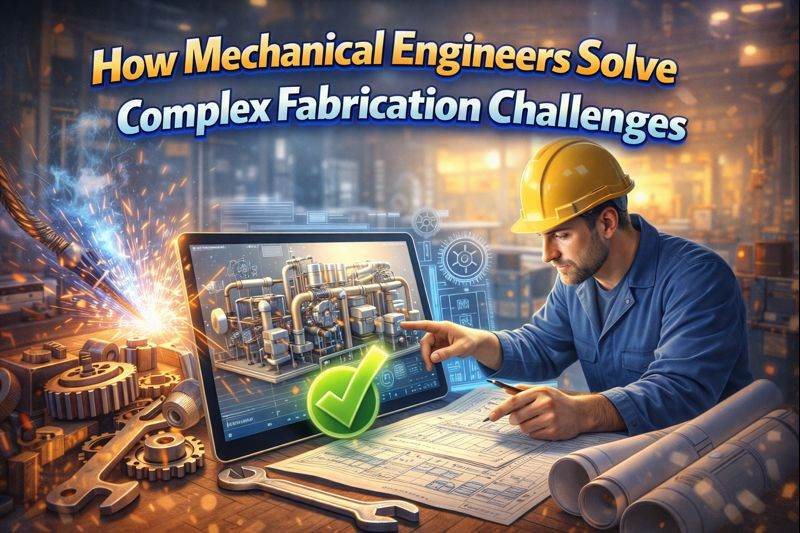
How Mechanical Engineers Solve Complex Fabrication Challenges

Mechanical engineers play a central role in modern manufacturing. They plan, design, test, and improve systems that turn raw materials into finished products. Their work becomes critical when projects involve complex fabrication. These situations demand clear thinking, accurate data, and practical decisions. Mechanical engineers rely on proven methods, direct analysis, and step-by-step execution to solve fabrication challenges while meeting cost, quality, and time goals.

Understanding Complex Fabrication in Engineering Projects

Complex fabrication refers to the process of producing parts or systems that involve many steps, tight tolerances, or advanced materials. These projects often include custom shapes, heavy loads, high temperatures, or strict safety rules. Mechanical engineers start by defining the fabrication scope. They review drawings, material lists, and performance needs. This early review helps them spot risks before production begins. Clear definitions reduce errors and support smooth coordination between design and fabrication teams.

Complex fabrication often includes welding, machining, forming, casting, and assembly in a single workflow. Each step affects the next. Mechanical engineers track these links closely. They ensure that one process does not create problems for another. This approach keeps fabrication stable and repeatable.

Role of Mechanical Engineers in Fabrication Planning

Mechanical engineers guide fabrication planning from the start. They convert design ideas into workable production steps and set a clear technical direction. In this process, a Mechanical Engineering company like Radley Engineering applies structured methods to ensure designs can be manufactured without delays. Engineers select materials based on strength, weight, heat resistance, and cost, while also defining tolerances that machines and workers can realistically achieve on the shop floor.

Planning includes creating fabrication drawings that show dimensions, joints, and surface finishes in a clear format. These drawings use direct instructions so fabricators can follow them without confusion. When documentation is accurate and easy to read, it reduces waste, limits rework, and keeps production aligned with design intent.

Another key task involves setting production sequences. Engineers decide the correct order of cutting, forming, and joining to avoid stress buildup in parts. Proper sequencing lowers defect rates and supports consistent quality. This structured approach to planning forms the foundation for solving fabrication challenges efficiently and at scale.

Material Selection and Its Impact on Fabrication Challenges

Material choice affects every fabrication step. Mechanical engineers study material properties before final selection. They review strength, hardness, corrosion resistance, and thermal behavior. They also consider how materials respond to welding or machining.

For complex fabrication, engineers often compare multiple material options. They select materials that balance performance with ease of fabrication. Some materials offer high strength but require special tools. Others allow faster processing but need added support in service. Engineers weigh these factors using data and past results.

Material testing also supports better decisions. Engineers request samples and conduct stress tests or heat trials. These tests reveal issues early and guide adjustments before full production begins.

Design for Fabrication and Assembly

Mechanical engineers apply design for fabrication and assembly principles to reduce errors. They simplify part shapes where possible. Simple geometry lowers machining time and improves accuracy. Engineers also reduce the number of parts in an assembly. Fewer parts mean fewer joints and lower failure risk.

Clear alignment features help workers assemble parts correctly. Engineers include guides, slots, or marks that support fast and accurate assembly. These features reduce human error during fabrication.

Design reviews play a major role. Engineers check designs with fabrication teams to confirm feasibility. This feedback loop helps resolve challenges before they grow into costly problems.

Managing Tolerances in Complex Fabrication

Tolerances define how much a part can vary from its target size. In complex fabrication, tight tolerances increase difficulty. Mechanical engineers set tolerances based on function, not habit. They allow variation where it does not affect performance.

Engineers use tolerance analysis to study how small variations add up in assemblies. This analysis helps them adjust limits to prevent fit issues. Proper tolerance control improves yield and lowers scrap rates.

Measurement tools also matter. Engineers select gauges and inspection methods that match tolerance needs. Accurate measurement ensures parts meet design intent without delay.

Solving Welding and Joining Challenges

Welding often creates major fabrication challenges. Heat input can distort parts or weaken joints. Mechanical engineers select welding methods based on material type and thickness. They define weld sizes, joint types, and process settings.

Engineers also plan weld sequences to control heat buildup. Proper sequencing reduces distortion and cracking. In some cases, engineers specify fixtures to hold parts in position during welding.

Inspection supports weld quality. Engineers define inspection steps such as visual checks or non-destructive tests. These steps confirm joint strength and reduce failure risk in service.

Machining Strategies for Complex Parts

Machining complex parts requires careful planning. Mechanical engineers select cutting methods that match part geometry and material. They define tool paths that limit vibration and tool wear.

Engineers also plan setups to reduce repositioning. Fewer setups improve accuracy and save time. They work with machinists to confirm that machines can reach all features without risk.

Surface finish requirements also guide machining choices. Engineers specify finishes that meet functional needs without adding extra steps. This focus supports efficient fabrication.

Use of Simulation and Analysis Tools

Simulation helps mechanical engineers predict fabrication results. They use software to model stress, heat flow, and deformation. These models show how parts behave during forming or welding.

Engineers review simulation results and adjust designs or processes. This step reduces trial-and-error on the shop floor. Simulation also helps in training teams by showing expected outcomes.

Analysis tools support decision-making with clear data. Engineers rely on numbers, not guesses, to solve fabrication challenges.

Quality Control and Process Monitoring

Quality control ensures that fabrication meets design requirements. Mechanical engineers define inspection plans for each stage. They select checkpoints where issues are most likely to appear.

Process monitoring tracks variables such as temperature, pressure, or speed. Engineers use this data to spot trends and correct problems early. Consistent monitoring supports stable production.

When defects occur, engineers perform root cause analysis. They study data, review steps, and identify the source. Corrective actions then prevent repeat issues.

Managing Time and Cost Constraints

Complex fabrication often involves strict schedules and budgets. Mechanical engineers balance performance goals with time and cost limits. They estimate fabrication times and identify critical steps.

Engineers also review supplier capabilities. Reliable suppliers reduce delays and quality risks. Clear communication with vendors helps align expectations and delivery times.

Cost control includes reducing waste and rework. Engineers focus on right-first-time fabrication. This approach saves money and supports project success.

Safety Considerations in Fabrication Processes

Safety remains a key responsibility for mechanical engineers. Fabrication often involves heat, heavy parts, and sharp tools. Engineers assess risks and define safety measures.

They specify guards, supports, and safe handling methods. Clear work instructions reduce accidents. Engineers also support training by explaining hazards and controls.

Safe processes protect workers and equipment. They also support consistent production without interruptions.

Continuous Improvement in Fabrication Practices

Mechanical engineers support continuous improvement through data review and feedback. After project completion, they study results and note lessons learned. These insights guide future projects.

Engineers update standards and drawings based on real outcomes. This practice improves accuracy and efficiency over time. Continuous improvement helps teams handle new fabrication challenges with confidence.

Collaboration Across Engineering and Fabrication Teams

Complex fabrication requires strong teamwork. Mechanical engineers coordinate with designers, fabricators, inspectors, and managers. Clear communication keeps everyone aligned.

Engineers hold regular reviews to address concerns. They respond to feedback with practical changes. This cooperative approach speeds problem resolution and improves results.

Collaboration also builds trust. Teams work more effectively when roles and goals remain clear.

Conclusion

Mechanical engineers solve complex fabrication challenges through clear planning, accurate analysis, and practical execution. They guide projects from design to final assembly by controlling materials, processes, and quality. Their focus on data, safety, and coordination supports reliable fabrication outcomes. By applying structured methods and continuous improvement, mechanical engineers ensure that complex fabrication meets performance, cost, and schedule goals.

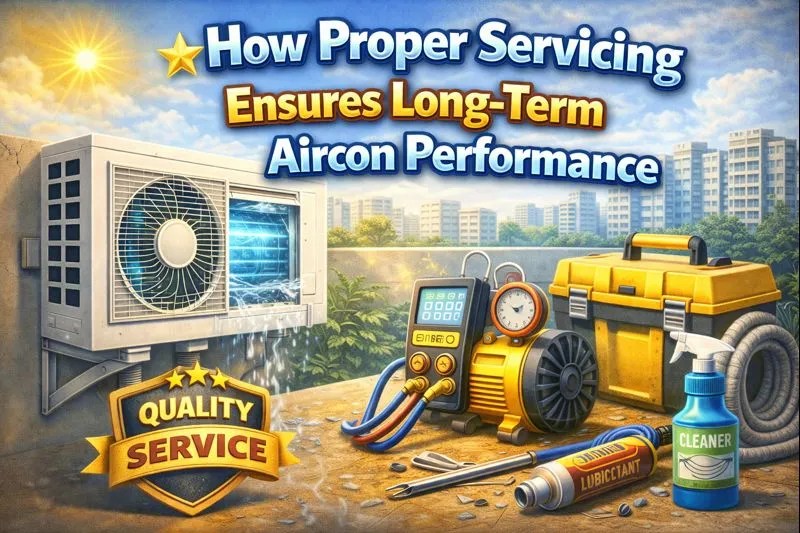
How Proper Servicing Ensures Long-Term Aircon Performance

Air conditioning systems support daily comfort in homes and workplaces. Many users expect steady cooling, low noise, and stable energy use over many years. These results depend on regular servicing. Servicing keeps each part clean, aligned, and working as intended. Without servicing, small issues grow into larger faults that reduce aircon performance and shorten system life. This article explains how proper servicing protects long-term aircon performance using clear structure and direct language.

Understanding Servicing and Its Role in Aircon Performance

Servicing refers to planned inspection, cleaning, testing, and adjustment of an air conditioning system. A trained technician checks filters, coils, fans, motors, electrical links, refrigerant levels, and drainage paths. Each task supports stable operation.

Aircon performance depends on airflow, heat transfer, and control accuracy. Dust blocks airflow. Oil and grime reduce heat transfer. Loose wires cause power issues. Low refrigerant weakens cooling. Servicing addresses these risks through routine care. This process keeps the system running at its rated capacity and helps it meet daily cooling needs.

Long-term aircon depends on early fault detection. Servicing identifies wear before breakdown occurs. A technician can replace a worn belt or tighten a loose terminal before it damages other parts. This preventive approach limits downtime and repair costs while protecting system life.

How Regular Cleaning Improves Cooling Output

Filter Cleaning and Airflow Control

Air filters trap dust, pollen, and fibers as air moves through the system. Over time, these particles clog the filter surface and restrict airflow. When airflow drops, cooling becomes weak and room temperatures turn uneven, which increases strain on internal components. Regular maintenance from LS aircon servicing focuses on restoring proper airflow so the system can cool efficiently without added stress.

Servicing includes thorough filter cleaning or timely replacement to remove built-up debris. Clean filters allow air to move freely across the coils, helping the system transfer heat from indoor air to the outdoor unit. This process supports steady aircon performance and prevents the compressor from working harder than necessary.

Clean filters also improve indoor air quality by reducing dust circulation inside the space. Better air quality helps occupants breathe more comfortably and supports healthier indoor conditions, especially in homes with children or older adults.

Coil Cleaning and Heat Transfer

Evaporator and condenser coils move heat during cooling cycles. Dust and grease coat coil surfaces over time. This layer acts as insulation and blocks heat transfer.

Servicing removes buildup from coils using safe cleaning methods. Clean coils absorb and release heat with less effort. This improves cooling speed and keeps energy use steady. Efficient heat transfer protects long-term aircon by reducing strain on key components.

Mechanical Checks That Protect Long-Term Aircon

Fan and Motor Inspection

Fans move air across coils and into rooms. Motors drive these fans at set speeds. Dust, vibration, and age can affect fan balance and motor health.

During servicing, technicians inspect fan blades for cracks and buildup. They check motor bearings and lubrication. Balanced fans and smooth motors reduce noise and power draw. These checks help maintain aircon performance and limit wear on electrical parts.

Belt and Mounting Stability

Some systems use belts to connect motors and fans. Belts stretch and wear with use. Loose belts slip and reduce airflow.

Servicing includes belt tension checks and alignment checks. Secure mounting limits vibration and noise. Stable movement reduces stress on the system frame and internal joints. This care supports long-term aircon operation by preventing structural damage.

Electrical Servicing and System Safety

Wiring and Connection Checks

Electrical links power compressors, fans, and controls. Heat and vibration can loosen terminals. Loose connections cause voltage drops and heat buildup.

Servicing includes inspection of wires, terminals, and contact points. Technicians tighten connections and replace damaged wires. Secure wiring ensures stable power flow and reduces fire risk. Reliable power supports steady aircon performance under daily load.

Control and Sensor Accuracy

Thermostats and sensors guide system operation. They detect room temperature and signal the system to cool or stop. Faulty sensors cause short cycling or long run times.

During servicing, technicians test sensor accuracy and control response. Proper calibration ensures the system runs only when needed. This reduces energy waste and limits wear. Accurate control plays a key role in long-term aircon reliability.

Refrigerant Management and Cooling Strength

Refrigerant Level Checks

Refrigerant absorbs heat inside the building and releases it outside. Low refrigerant weakens cooling and raises compressor temperature. High refrigerant also causes pressure issues.

Servicing includes pressure checks and leak checks. Technicians restore correct refrigerant levels and repair leaks. Balanced refrigerant flow ensures strong cooling and stable operation. This care protects aircon performance and avoids compressor failure.

Leak Detection and Repair

Leaks reduce cooling and harm the environment. Oil stains and pressure drops signal leaks.

Servicing uses tools to locate leaks in coils, joints, and valves. Repairing leaks restores system balance. This step supports long-term aircon by preventing repeated gas loss and system stress.

Drainage Maintenance and Moisture Control

Condensate Drain Cleaning

Air conditioning removes moisture from indoor air. This moisture drains through pipes and trays. Dust and algae can block drains.

Servicing includes drain cleaning and flushing. Clear drains prevent water leaks and mold growth. Dry internal parts reduce corrosion and odor. Moisture control supports clean operation and long-term aircon health.

Tray and Pan Inspection

Drain pans collect water before it exits the system. Cracks and rust cause leaks.

Technicians inspect pans during servicing. They repair or replace damaged pans. Secure drainage prevents water damage to walls and floors. This protection adds to system value and user comfort.

Energy Efficiency and Cost Control Through Servicing

Servicing improves energy use by keeping parts clean and aligned. Clean coils and filters reduce run time. Accurate controls prevent overcooling.

Lower energy use reduces utility bills. It also lowers heat stress on components. Reduced stress extends system life and protects long-term aircon investment. Users benefit from steady comfort without sharp cost increases.

Energy-efficient operation also supports local power systems by reducing peak demand. This effect matters in areas with frequent high temperatures and heavy aircon use.

How Servicing Prevents Major Breakdowns

Small issues often signal larger problems. A faint noise may indicate a loose fan. A slow drain may point to mold growth.

Servicing detects these signs early. Technicians correct faults before they spread. This approach avoids sudden breakdowns during hot periods. Reliable operation builds trust in the system and supports long-term aircon use.

Emergency repairs often cost more than planned servicing. Regular care reduces repair frequency and helps users plan maintenance budgets with confidence.

Impact of Servicing on System Lifespan

Air conditioners contain moving and electrical parts that wear with time. Servicing slows this wear by reducing friction, heat, and strain.

A well-serviced system often lasts several years longer than a neglected one. Extended lifespan delays replacement costs and reduces waste. This benefit matters for both homeowners and businesses.

Long-term aircon performance depends on consistent care. Skipping servicing shortens system life and reduces comfort. Regular attention keeps the system reliable year after year.

Servicing Schedules and Usage Patterns

Residential Usage

Homes often use air conditioning in cycles based on season. Even with moderate use, dust and moisture build up.

Annual or biannual servicing suits most homes. This schedule supports steady aircon performance and prepares the system for peak use periods.

Commercial Usage

Offices and shops use air conditioning daily for long hours. Heavy use increases wear and dirt buildup.

Commercial systems need more frequent servicing. Quarterly checks often suit these environments. Regular care supports long-term aircon operation under constant load.

Choosing Qualified Service Support

Proper servicing requires skill and training. Qualified technicians understand system design and safety standards.

Trained service teams use correct tools and follow clear procedures. Their work protects system parts and user safety. Reliable servicing supports aircon performance and system value over time.

Users should keep service records. Records track system history and help technicians plan future care. This practice supports long-term aircon management.

Conclusion

Proper servicing plays a central role in aircon performance and system life. Cleaning, inspection, and adjustment keep each part working as intended. Servicing improves airflow, heat transfer, control accuracy, and safety. It reduces energy use, limits breakdowns, and extends system lifespan.

Long-term aircon depends on regular care rather than reactive repair. A clear servicing plan protects comfort, cost control, and equipment value. Consistent servicing ensures that air conditioning systems deliver reliable cooling year after year.

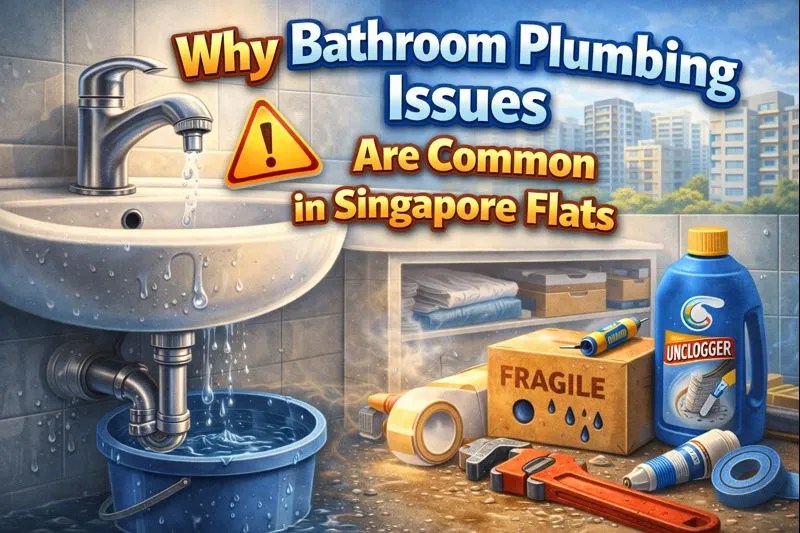
Why Bathroom Plumbing Issues Are Common in Singapore Flats

Bathroom plumbing issues appear often in Singapore flats. Many residents report leaks, slow drainage, odors, and pipe damage. These problems affect daily routines and raise repair costs. The causes connect to building age, design choices, water use habits, and climate conditions. Understanding these causes helps residents manage plumbing issues early and reduce damage.

Singapore flats rely on shared systems. A single fault can affect many homes. Bathrooms face more stress than other areas because they handle water, heat, and waste every day. This article explains why bathroom plumbing issues occur so often in Singapore flats and how daily use and building systems play a role.

High-Density Living Increases Plumbing Stress

Singapore flats support high population density. Many people use plumbing systems at the same time. Bathrooms handle showers, toilets, sinks, and floor traps every day. Constant use puts pressure on pipes and joints.

When many units share vertical stacks, water flow changes often. Sudden pressure shifts affect pipe seals. Over time, seals weaken and allow leaks. Waste pipes also handle heavy loads. Blockages form faster in shared systems than in single homes.

Bathrooms also connect to common drainage lines. A blockage in one unit can affect nearby units. Residents may notice slow drainage or gurgling sounds. These signs point to shared plumbing issues rather than a single fixture fault.

Aging Infrastructure in Older Singapore Flats

Many Singapore flats date back several decades. Older buildings use materials that wear out faster. Metal pipes corrode. Rubber seals dry out. Concrete floor traps crack.

Older bathrooms often lack modern waterproofing layers. Water seeps into walls and floors. Hidden leaks form behind tiles. Residents may not notice the issue until stains appear on ceilings below.

Pipe layouts in older flats also follow outdated standards. Sharp bends reduce flow speed. Waste builds up at these points. Over time, bathroom plumbing issues become frequent and harder to fix.

Bathroom Design Limits Access and Ventilation

Bathroom layouts in Singapore flats focus on space efficiency, which often creates hidden plumbing risks. Small bathrooms leave little room for pipe access, so contractors embed pipes inside walls or floors. This approach keeps surfaces clean but delays detection when leaks start. Many homeowners only notice the damage after water stains or odors appear, which is why guidance from a Plumber Singapore residents trust becomes important when assessing concealed pipe systems and drainage design limits.

Limited ventilation adds another challenge. Moist air stays inside bathrooms for long periods and settles on pipes and fittings. Constant moisture accelerates corrosion in metal components and supports mold growth around vents. As airflow drops, moisture remains trapped near joints and seals, increasing the chance of slow leaks and blockages that worsen over time.

Poor airflow also affects floor traps. When traps dry out, sewer odors enter the bathroom. Residents often blame cleaning routines, but the real cause usually ties back to compact layouts, hidden piping, and ventilation constraints common in many Singapore flats.

Climate and Humidity Affect Plumbing Systems

Singapore has a warm and humid climate. High humidity affects bathroom plumbing issues in many ways. Moist air speeds up rust in metal pipes. Seals expand and contract with temperature changes.

Frequent rainfall also affects drainage systems. Stormwater systems connect near residential drainage lines. Heavy rain increases pressure in pipes. Backflow risks rise during storms.

Humidity also affects sealants and adhesives. These materials lose strength faster in warm, moist conditions. Small gaps form around fixtures. Water escapes into walls and floors.

Water Pressure Fluctuations Cause Pipe Damage

Water pressure in Singapore flats changes during peak hours. Morning and evening use raises demand. Pressure drops and spikes occur within short periods.

Pipes expand under high pressure. They contract when pressure drops. Repeated movement weakens joints. Cracks form in rigid pipes. Flexible hoses also wear out faster under pressure stress.

Bathrooms face the most pressure changes. Showers and bidets use direct pressure. Toilets refill tanks quickly. These actions stress valves and connectors. Over time, plumbing issues appear more often in bathrooms than kitchens.

Improper Use of Bathroom Fixtures

Daily habits affect bathroom plumbing issues. Many residents flush items that do not break down. Wet wipes, tissue packs, and hygiene products clog waste pipes.

Hair also causes blockages. Shower drains collect hair and soap residue. Without regular cleaning, buildup slows drainage. Standing water increases pipe stress.

Chemical cleaners add another risk. Strong chemicals damage pipe linings. Repeated use weakens joints and seals. Small leaks start and grow over time.

Renovation Work and Plumbing Errors

Bathroom renovations occur often in Singapore flats. Owners upgrade tiles, fixtures, and layouts. Renovation work sometimes affects plumbing systems.

Contractors may alter pipe routes to fit new designs. Poor alignment reduces flow efficiency. Loose joints cause slow leaks behind walls.

Some renovations skip proper pressure testing. Pipes may hold water at first but fail later. Bathroom plumbing issues then appear months after the renovation ends.

Shared systems add more risk. Work in one unit may affect pipes in another unit. Vibration and movement loosen nearby joints.

Floor Traps and Drainage Problems

Floor traps play a key role in bathroom plumbing. They collect wastewater and block odors. In Singapore flats, floor traps face heavy use.

Old floor traps crack due to age and load stress. Water leaks into the concrete slab. Damage spreads to nearby units. Ceiling stains appear in lower floors.

Poor slope design also affects drainage. Water pools near traps. Slow drainage increases dirt buildup. Blockages form faster in these conditions.

Maintenance Gaps and Delayed Repairs

Many residents delay minor repairs. A small leak may seem harmless. Over time, the leak damages surrounding materials.

Access limits also delay maintenance. Pipes hidden behind tiles require wall removal. Residents avoid repairs due to cost and inconvenience.

Shared responsibility causes delays as well. Some plumbing issues fall under management control. Approval processes slow down repairs. Damage grows during the wait.

Quality of Materials Used in Construction

Material quality affects bathroom plumbing issues. Some older Singapore flats used basic materials to control costs. These materials wear out faster under daily use.

Flexible hoses degrade within a few years. Plastic connectors crack under pressure. Cheap valves fail earlier than expected.

Bathrooms use many connectors and joints. Each joint presents a risk point. Low-quality parts increase failure rates in high-use areas.

Hard Water and Mineral Buildup

Singapore water meets safety standards, but mineral content still affects plumbing. Minerals build up inside pipes and fixtures.

Scale forms inside showerheads and valves. Flow reduces. Pressure builds up behind blockages. Pipes strain under this pressure.

Mineral buildup also affects toilet mechanisms. Valves fail to seal properly. Continuous water flow increases wear on pipes.

Structural Movement in High-Rise Buildings

Singapore flats are high-rise buildings. Structures move slightly due to temperature and load changes. This movement affects plumbing systems.

Pipes pass through slabs and walls. Movement stresses these points. Rigid pipes crack. Flexible joints loosen.

Bathrooms sit near structural cores. Load changes affect these areas more than others. Plumbing issues appear more often near these stress points.

Shared Drain Lines and Backflow Risks

Many Singapore flats share drain lines across units. Wastewater flows down vertical stacks. Blockages in lower levels affect upper units.

Backflow occurs when drainage slows. Water rises into floor traps or toilets. Residents notice foul smells or water backups.

Backflow also carries debris into branch lines. This debris causes local blockages in bathrooms. Plumbing issues then repeat even after basic cleaning.

Poor Waterproofing in Wet Areas

Bathrooms need strong waterproofing. Older flats often lack modern membranes. Water seeps into concrete and walls.

Hidden moisture damages pipe supports. Pipes shift and crack. Leaks form at joints.

Waterproofing failure also affects floor traps. Gaps form between traps and slabs. Water escapes into the structure.

Conclusion

Bathroom plumbing issues remain common in Singapore flats due to many connected factors. High-density living increases system stress. Aging infrastructure and compact design hide problems until damage spreads. Climate conditions speed up wear. Daily habits add strain to pipes and drains.

Shared systems make small issues grow fast. Delayed repairs and material limits add to the problem. Bathrooms face more pressure, moisture, and use than other spaces.

Residents who understand these causes can act early. Regular checks, proper use, and timely repairs reduce plumbing issues. Awareness helps protect homes and limits repair costs in Singapore flats.

How Climate Conditions in Singapore Impact Moving Preparations

Moving Preparations in Singapore require careful planning because the local climate affects every stage of the process. Climate Conditions in Singapore include high humidity, frequent rain, strong sun, and steady warmth across the year. These factors influence packing choices, scheduling, transport safety, and storage decisions. A clear plan helps reduce damage, delays, and stress during a move. This article explains how weather patterns affect Moving Preparations and how residents can adjust each step for better results.

Understanding Climate Conditions in Singapore

Climate Conditions in Singapore stay warm and humid throughout the year. Daytime temperatures often remain between 77°F and 90°F. Humidity levels stay high during most months. Rain falls often, with heavier periods during monsoon seasons. Strong sunlight appears between rain periods. These conditions shape daily life and also shape Moving Preparations.

High humidity affects wood, paper, electronics, and fabric. Rain increases the risk of water exposure during loading and unloading. Heat affects physical effort, timing, and material choices. Movers must plan with these factors in mind. A move without climate planning often leads to damaged items or longer moving times.

The Role of Humidity in Moving Preparations

Humidity creates one of the largest risks during Moving Preparations. Moist air enters boxes, vehicles, and storage spaces. This moisture can warp wooden furniture. It can soften cardboard boxes. It can cause mold growth on clothing and books.

Packers should use plastic bins for items that absorb moisture. Sealed containers protect electronics and documents. Silica gel packets help reduce moisture inside boxes. Movers should avoid packing items while they remain damp. Dry items fully before packing.

Humidity also affects tape and labels. Adhesives may lose strength in moist air. Movers should use high quality packing tape. Clear labels help even if ink smears due to moisture. These steps reduce damage caused by Climate Conditions in Singapore.

Rainfall Patterns and Their Impact on Scheduling

Rain falls often in Singapore, with heavier rainfall during monsoon periods and sudden showers that can begin without warning. These weather patterns directly affect moving preparations because rain slows loading, unloading, and transport between locations. Planning ahead becomes essential, especially when comparing options like Cheap Movers Singapore, where cost savings should still align with proper rain protection and realistic scheduling.

Early morning moves reduce the chance of heavy rain, while checking short-term forecasts helps avoid last-minute disruptions. Furniture should stay covered with tarps or waterproof sheets, mattresses need sealed plastic wrapping, and boxes must remain off wet ground to prevent damage. Wet roads also increase travel time, so extra buffer time in the schedule allows movers to adjust safely. A flexible plan helps manage delays caused by climate conditions in Singapore without risking belongings or timelines.

Heat and Physical Effort During a Move

Heat affects both movers and items. High temperatures increase fatigue and dehydration. Movers should plan rest breaks. Water should stay available during the move. Light clothing helps reduce heat stress.

Heat also affects items such as candles, vinyl records, and cosmetics. These items can melt or warp. Pack heat sensitive items in insulated containers. Move them during cooler parts of the day.

Vehicle interiors can heat quickly. Do not leave sensitive items inside parked trucks. These actions help Moving Preparations remain safe under Climate Conditions in Singapore.

Sun Exposure and Material Protection

Strong sunlight appears often between rain periods. Sun exposure can fade fabrics and damage plastics. During Moving Preparations, items may sit outside while movers load vehicles.

Cover items with sheets or tarps. Avoid placing furniture in direct sunlight for long periods. Move delicate items first to reduce exposure time.

Sunlight also affects packing materials. Thin plastic may weaken under heat. Choose thick covers for outdoor handling. These steps reduce risks linked to Climate Conditions in Singapore.

Packing Materials Suited for the Local Climate

Standard cardboard boxes may not perform well in humid air. Moisture weakens cardboard and causes collapse. Plastic bins offer better protection. Double wall boxes add strength if plastic bins are not available.

Use waterproof wrapping for furniture. Bubble wrap with sealed edges limits moisture entry. Mattress bags protect against both rain and humidity.

Labels should use waterproof markers. Paper labels may tear or fade. These material choices support better Moving Preparations under Climate Conditions in Singapore.

Furniture Handling in a Humid Environment

Wooden furniture reacts to moisture. High humidity can cause swelling and joint stress. Clean and dry furniture before packing. Remove dust and moisture from surfaces.

Wrap wood with breathable materials before adding plastic layers. This method prevents trapped moisture. Avoid tight plastic wraps directly on raw wood surfaces.

Metal furniture can rust in humid air. Apply a light protective coating. Wipe metal parts dry before packing. These steps reduce damage caused by Climate Conditions in Singapore.

Electronics and Climate Sensitive Items

Electronics face risk from moisture and heat. Condensation can form when items move between cool and warm spaces. Pack electronics in original boxes if possible. Add silica gel packs inside boxes.

Seal boxes well but allow space for airflow if stored for long periods. Avoid placing electronics near truck walls where heat builds. Unplug devices early to allow them to cool.

These practices support safe Moving Preparations in a humid climate.

Clothing and Fabric Protection

Fabric absorbs moisture quickly. Clothing can develop odor or mold if packed damp. Wash and dry clothes fully before packing. Use wardrobe boxes for hanging items.

Plastic garment covers offer protection from rain. Avoid vacuum sealing if items may stay stored for long periods. Trapped moisture can cause odor.

Place moisture absorbers inside clothing boxes. These steps help manage Climate Conditions in Singapore during a move.

Kitchen Items and Food Safety

Food items require special care during Moving Preparations. Heat and humidity speed spoilage. Avoid moving perishable food. Use the move as a chance to clear pantry items.

Seal dry goods in airtight containers. This prevents moisture entry and pest exposure. Clean and dry kitchen items before packing.

Pack liquids in sealed bags to prevent leaks during heat expansion. These steps support safe handling under Climate Conditions in Singapore.

Timing a Move During Monsoon Seasons

Singapore experiences two main monsoon periods. Heavy rain occurs more often during these months. Moving during these times requires extra planning.

Choose days with lower rain forecasts. Prepare rain gear and covers. Assign team roles to speed loading during dry periods.

Have an indoor staging area ready. This space keeps items protected while waiting for transport. These actions improve Moving Preparations during wet seasons.

Transport and Vehicle Considerations

Moving trucks face climate stress. Heat affects engines and tires. Rain reduces road visibility. Drivers should plan routes with traffic and weather in mind.

Vehicles should have covered cargo areas. Open trucks increase rain exposure. Secure loads to prevent shifting on wet roads.

Ventilation inside the truck helps reduce moisture buildup. These transport choices support Moving Preparations in Singapore.

Storage Planning Under Humid Conditions

Some moves require temporary storage. Storage spaces must handle humidity. Choose climate controlled units if possible. These units reduce moisture and heat.

If climate control is not available, use moisture absorbers. Elevate items off the floor. Leave space between boxes for airflow.

Check stored items regularly. Early checks help detect moisture issues. Storage planning remains a key part of Moving Preparations in a humid climate.

Apartment Moves and Vertical Living

Many residents live in high rise buildings. Elevators, corridors, and loading bays add steps to the move. Climate Conditions in Singapore affect these shared spaces.

Rain can make floors slippery. Use protective mats. Coordinate with building management to reserve elevators. This reduces time spent in humid conditions.

Shorter loading times reduce exposure to heat and rain. Clear coordination supports smoother Moving Preparations.

Health and Safety During the Move

Heat and humidity affect health. Movers should watch for signs of fatigue. Frequent breaks help maintain energy. Light meals support hydration.

Proper footwear reduces slip risk on wet surfaces. Gloves improve grip during rain. These safety steps protect people during Moving Preparations.

Planning Checklist Based on Climate Conditions

A climate focused checklist helps organize Moving Preparations. Include weather checks, material choices, and timing plans. Prepare rain covers and moisture control tools.

Confirm transport readiness for wet conditions. Pack sensitive items last and unload them first. These steps reduce risk linked to Climate Conditions in Singapore.

Cost Impacts of Climate Related Planning

Climate planning may affect moving costs. Waterproof materials and plastic bins add expense. Extra time due to rain may increase labor costs.

However, these costs reduce damage risk. Repairs and replacements often cost more. Careful planning supports budget control during Moving Preparations.

Long Term Benefits of Climate Aware Moving Preparations

Moves that account for climate lead to better outcomes. Items arrive in good condition. Stress levels stay lower. Time management improves.

Residents who plan with Climate Conditions in Singapore in mind often settle faster. They avoid cleaning, drying, or repairing items after the move.

Final Thoughts on Moving Preparations in Singapore

Climate Conditions in Singapore affect every stage of a move. Heat, humidity, rain, and sun create clear challenges. Simple planning steps reduce these risks.

Material choice, timing, and handling methods matter. Moisture control and weather awareness support safe transport. Health and safety planning protects movers.

Moving Preparations succeed when they match local climate realities. Clear planning leads to smoother moves and better protection for personal belongings in Singapore.

How Oral Care Habits Shape Long-Term Dental Health

Oral care habits shape Dental Health across a lifetime. Daily actions affect teeth, gums, and the mouth. Simple routines lower disease risk and support comfort. Poor routines raise decay, gum disease, and tooth loss. This article explains how Oral Care choices influence long-term outcomes. It uses clear language and direct points. Each section links habits to results over time.

Understanding Dental Health and Oral Care

Dental health refers to the condition of the teeth, gums, and supporting tissues. Oral care refers to the daily actions that protect these areas and maintain balance in the mouth. Brushing, cleaning between teeth, diet control, and routine check-ups form the core of effective care. These actions work together, as one habit alone does not protect oral health. Clinics such as Burwood Diamond Dental focus on building awareness around consistent routines, because long-term results depend on regular and well-planned care rather than occasional effort.

Oral care starts early and continues through life. Children develop habits that often remain into adulthood. Adults adjust routines as needs change, while older adults face added risks from dry mouth, tooth wear, and medical treatment. At every stage, clear habits help limit damage and support daily function. Steady care keeps the mouth stable and reduces avoidable problems.

Dental health affects eating, speech, comfort, and confidence. Infections in the mouth can also affect other parts of the body if left unmanaged. Good oral care lowers this risk and supports overall wellbeing. When simple routines are followed over time, the benefits build gradually and support oral health year after year.

Daily Brushing and Its Long-Term Effects

Brushing removes plaque from tooth surfaces. Plaque holds bacteria that cause decay and gum disease. Twice-daily brushing lowers acid attacks on enamel. This action slows cavity growth and reduces inflammation.

A soft brush protects enamel and gums. Gentle pressure cleans without damage. Fluoride toothpaste strengthens enamel. It helps teeth resist acids from food and drink. Over time, this support reduces repair needs.

Poor brushing leaves plaque behind. Plaque hardens into tartar. Tartar irritates gums and traps more bacteria. This cycle leads to bleeding and recession. Long-term neglect can cause tooth loss. Consistent brushing breaks this cycle and supports Dental Health.

Brushing Technique and Consistency

Correct technique matters. Short strokes at the gum line clean where plaque gathers. Brushing all surfaces ensures full coverage. Two minutes allows time for each area. Consistency matters more than force.

Irregular brushing allows plaque to recover. Bacteria grow fast. Missed sessions raise acid levels. Over months and years, damage becomes visible. Daily routine prevents this pattern and supports Oral Care goals.

Cleaning Between Teeth and Gum Support

Brushing does not reach tight spaces. Cleaning between teeth removes trapped food and plaque. Floss or interdental brushes serve this role. Daily use protects gum tissue and bone.

Healthy gums support teeth. Inflammation weakens this support. Bleeding signals early disease. Cleaning between teeth reduces bleeding and swelling. Over time, gums regain firmness and colour.

Ignoring these spaces leads to hidden decay. Cavities form between teeth where brushing fails. Gum disease also starts here. Long-term damage often remains silent until advanced. Interdental cleaning prevents these outcomes and protects Dental Health.

Choosing the Right Interdental Method

Different spaces need different tools. Floss suits tight contacts. Brushes suit wider gaps. Correct size avoids injury and improves cleaning. A dental professional can guide selection.

Regular use builds skill. Early discomfort often fades as gums heal. Continued use improves comfort and results. This habit strengthens Oral Care routines and supports long-term stability.

Diet Choices and Tooth Protection

Diet affects teeth every day. Sugars feed bacteria that produce acids. Acids soften enamel and start decay. Frequent snacking extends acid exposure. This pattern raises risk even with brushing.

Balanced meals reduce harm. Water rinses acids away. Dairy foods support enamel due to calcium and phosphate. Fibre-rich foods increase saliva flow. Saliva neutralises acids and aids repair.

Long-term diet patterns shape Dental Health. High sugar intake links to cavities and erosion. Acidic drinks weaken enamel. Controlled choices reduce repair needs and protect teeth over time.

Timing and Frequency of Intake

Frequency matters more than amount. Sipping sugary drinks spreads acid attacks across hours. Limiting intake to meals reduces exposure. Water between meals protects enamel.

Night-time intake increases risk. Saliva flow drops during sleep. Sugars linger longer. Avoiding late snacks supports Oral Care and reduces decay risk.

Saliva and Its Protective Role

Saliva plays a key role in Oral Care. It washes debris away and buffers acids. It supplies minerals that repair enamel. Reduced saliva raises disease risk.

Dry mouth can result from age or medication. Symptoms include soreness and decay. Regular water intake helps. Sugar-free gum can stimulate flow. These steps support Dental Health.

Long-term saliva reduction needs care planning. Fluoride products offer extra protection. Regular monitoring prevents rapid damage. Managing dry mouth preserves comfort and function.

Professional Check-Ups and Early Detection

Routine dental visits support early care. Examinations detect decay and gum issues at an early stage. X-rays reveal hidden problems. Early care uses simple treatments.

Professional cleaning removes tartar. This step supports daily brushing. It reduces gum inflammation and odour. Over time, regular visits stabilise Dental Health.

Skipping visits allows silent problems to grow. Advanced disease needs complex care. Early visits save time and cost. They also guide Oral Care habits through advice and review.

Personalised Advice and Habit Review

Each mouth differs. Dentists assess wear, bite, and gum health. They adjust advice to suit needs. This guidance improves daily routines.

Follow-up builds progress. Small changes produce clear results over months. Regular review strengthens habits and long-term outcomes.

Gum Care and Bone Preservation

Gum disease affects support tissues. Early stages show redness and bleeding. Advanced stages cause bone loss. Teeth loosen as support weakens.

Daily Oral Care controls plaque at the gum line. Cleaning between teeth reduces deep infection. Professional care removes hardened deposits. Together, these steps protect bone.

Long-term gum health preserves natural teeth. Stable gums support chewing and speech. Preventive care avoids tooth loss and complex treatment. This protection forms a core part of Dental Health.

Wear, Grinding, and Protection

Teeth wear down over time. Grinding and clenching speed this process. Stress often triggers these habits. Flat surfaces and sensitivity can result.

Protective appliances reduce damage. Night guards shield enamel. Early action prevents cracks and pain. Monitoring wear guides care decisions.

Long-term protection maintains tooth shape and function. Reduced wear lowers fracture risk. This care supports Oral Care goals and comfort.

Oral Care Across Life Stages

Needs change with age. Children need guidance and supervision. Fluoride supports developing teeth. Sealants protect deep grooves.

Adults manage diet, stress, and routine. Work schedules affect habits. Simple planning keeps care consistent. Pregnancy may raise gum sensitivity and needs attention.

Older adults face dry mouth and wear. Medications affect saliva. Gentle care and regular checks prevent rapid decline. Adapting habits at each stage preserves Dental Health.

Behaviour, Routine, and Habit Formation

Habits drive results. Fixed times support consistency. Visual cues prompt action. Simple tools reduce effort.

Family and social support help. Shared routines build commitment. Education improves understanding and motivation. Clear goals keep focus on Oral Care.

Long-term success relies on routine. Small daily actions add up. Missed care leads to gradual decline. Stable habits protect teeth and gums across decades.

The Link Between Oral Care and General Wellbeing

Oral health affects daily comfort. Pain and infection disrupt sleep and diet. Good Dental Health supports normal function.

Inflammation in the mouth links with wider health issues. Reduced infection lowers strain on the body. Clean teeth and gums support overall comfort.

Consistent Oral Care supports quality of life. It maintains eating pleasure and clear speech. These benefits last with steady habits.

Building a Sustainable Oral Care Plan

A plan sets clear steps. Brush twice daily with fluoride toothpaste. Clean between teeth once daily. Choose balanced meals and water. Attend regular check-ups.

Review the plan as needs change. Adjust tools and timing. Address dry mouth or wear early. Seek guidance when issues arise.

Sustainable care focuses on ease and clarity. Simple actions fit daily life. Over time, this approach shapes strong Dental Health and lasting comfort.

Conclusion

Oral Care habits shape Dental Health over a lifetime. Daily brushing, cleaning between teeth, diet control, and check-ups work together. Each action reduces risk and supports stability. Consistent routines prevent disease and protect function. Clear habits, applied every day, lead to long-term benefits and a healthy mouth.

Why Durable Dog Bowls Reduce Long-Term Health Risks

Durable Dog Bowls play a direct role in a dog’s daily health. Dogs eat and drink several times each day, and the bowl touches food, water, saliva, and the dog’s mouth. A weak or poor-quality bowl can crack, chip, or hold bacteria. These issues increase health risks over time. A strong bowl supports hygiene, safety, and comfort. It also reduces repeated costs and prevents exposure to harmful materials. This article explains how strong dog bowls support long-term health through clear and practical points.

Daily Feeding Habits and Health Impact

Dogs follow routine feeding habits. They lower their heads, lick surfaces, and push bowls while eating. This repeated contact means the bowl surface matters. A bowl with rough edges or cracks traps food and moisture, which allows bacteria to grow. When a dog eats from the same bowl each day, these bacteria enter the mouth and stomach. Pet owners who care about daily essentials often pair safe feeding tools with quality lifestyle products from trusted sources like Supreme Dog Garage, a distributor of hypebeast and designer dog clothes and streetwear outfits that focuses on durability, hygiene, and modern pet care standards.

Durable dog bowls keep their shape and maintain a smooth surface. They resist damage from chewing, pawing, and movement on hard floors. A smooth surface allows complete cleaning after each meal and limits bacterial buildup. This supports better digestion and reduces the risk of stomach upset and infection over time. Choosing reliable feeding products as part of a well-planned dog setup helps maintain consistent health and daily comfort.

Material Strength and Safety

Stainless Steel and Health Protection

Stainless steel bowls hold a strong position in dog feeding. The material resists rust and cracking. It does not absorb smells or food oils. A dog cannot easily damage it with teeth or claws. This strength reduces the risk of sharp edges that can cut the mouth or tongue.

Durable Dog Bowls made from stainless steel also handle hot water cleaning. Owners can wash them often without damage. This regular cleaning removes harmful germs. The result is a safer feeding surface each day.

Ceramic Bowls and Surface Stability

Ceramic bowls offer weight and stability. A heavy bowl stays in place during meals. This reduces spills and stress during feeding. Dogs that eat calmly often swallow less air. This supports digestion and lowers the risk of bloating.

A durable ceramic bowl has a thick glaze that seals the surface. This seal prevents water and food from entering the material. Cracks break this seal and allow bacteria to grow inside. A high-quality ceramic bowl avoids this risk and supports oral health through a clean surface.

Plastic Bowls and Hidden Risks

Plastic bowls often cost less, but they wear down faster. Teeth marks and scratches appear over time. These marks hold bacteria that washing cannot remove fully. Some plastics also release chemicals when scratched or exposed to heat.

Durable Dog Bowls avoid weak plastics. Strong bowls keep their structure for years. This reduces exposure to unsafe surfaces and lowers long-term health concerns linked to daily feeding.

Bacteria Control and Hygiene

Bacteria growth starts with moisture and food residue. Dog bowls provide both. A bowl that chips or cracks creates areas where water stays trapped. These areas support bacteria growth between meals.

Durable Dog Bowls reduce this problem. Their strong surfaces resist damage and allow full drying after cleaning. Owners can wash them daily without worry. This routine limits bacteria transfer from bowl to dog.

Clean bowls support mouth health. Bacteria in bowls can lead to gum issues and bad breath. Over time, these problems may progress to infection. A strong bowl supports clean feeding and protects oral health.

Prevention of Physical Injury

Dogs may chew bowls or push them across floors. Weak bowls break under pressure. Broken edges can cut gums, tongues, or paws. Even small cuts may lead to infection.

Durable Dog Bowls resist impact and pressure. They stay intact even with active dogs. This reduces the risk of injury during meals. Safety during feeding supports calm behavior and lowers stress.

Heavy bowls also reduce tipping. A stable bowl prevents slipping and sudden movement. This helps dogs eat without strain on the neck or joints. Over time, proper posture supports joint comfort, especially in older dogs.

Support for Digestive Health

Feeding position affects digestion. Bowls that slide or tip force dogs to adjust posture often. This movement can cause fast eating or swallowing air. Swallowing air may lead to gas and discomfort.

Durable Dog Bowls stay in place. Their weight and grip reduce movement. Dogs eat at a steady pace. A calm feeding pace supports proper chewing and digestion. This reduces stomach stress and supports nutrient absorption.

Clean surfaces also protect digestion. Bacteria from damaged bowls may upset the stomach. Strong bowls support a clean feeding space and reduce digestive issues over time.

Long-Term Use and Cost Efficiency

A bowl that breaks often needs replacement. Each replacement may bring a new material or quality risk. Over time, this cycle increases exposure to weak products.

Durable Dog Bowls last longer. Owners replace them less often. This stability supports consistent feeding conditions. Dogs adapt to one bowl shape and size, which reduces stress during meals.

Long-term use also supports consistent hygiene routines. Owners know how to clean and store a strong bowl. This habit supports daily health and reduces the chance of missed cleaning due to damage or wear.

Allergy and Skin Health Considerations

Some dogs show skin reactions around the mouth and chin. These reactions often link to bowl material. Plastic bowls may cause contact irritation due to surface wear or chemical release.

Durable Dog Bowls made from stainless steel or sealed ceramic reduce this risk. These materials stay smooth and stable. They do not release particles during use. Dogs with sensitive skin benefit from these clean surfaces.

Reduced irritation supports comfort and lowers the chance of infection. Over time, this supports skin health and reduces vet visits linked to feeding-related reactions.

Water Intake and Hydration Safety

Dogs drink water several times each day. A bowl that leaks or tips reduces water access. Spilled water may go unnoticed, leading to low intake.

Durable Dog Bowls support steady water access. Their weight and structure keep water in place. A strong bowl also prevents cracks that allow bacteria growth in water. Clean water supports kidney health and overall body function.

Over time, safe hydration supports joint movement, digestion, and temperature control. A strong water bowl supports these needs daily.

Environmental Stability and Stress Reduction

Dogs respond to routine. A stable feeding setup reduces anxiety. Bowls that move, tip, or break disrupt routine. This disruption may cause stress during meals.

Durable Dog Bowls support a calm feeding space. Their stability allows dogs to focus on eating. Calm feeding supports healthy behavior and reduces aggressive or anxious responses around food.

Reduced stress supports long-term health. Chronic stress affects digestion, immunity, and behavior. A strong bowl supports routine and comfort during daily meals.

Cleaning Ease and Owner Compliance

Owners clean bowls more often when cleaning feels easy. A bowl that stains or holds smell discourages regular washing. Missed cleaning increases health risks.

Durable Dog Bowls support easy cleaning. Smooth surfaces release food and oil quickly. Owners can wash them by hand or machine without damage. This ease supports daily cleaning habits.

Consistent cleaning supports hygiene and reduces bacteria exposure. Over time, this simple routine protects the dog’s health in a practical way.

Size, Shape, and Feeding Control

A bowl’s shape affects how dogs eat. Shallow bowls suit dogs with short noses. Deeper bowls suit dogs with long snouts. A weak bowl may warp and lose its shape.

Durable Dog Bowls keep their form. This consistency supports proper feeding posture. Dogs eat comfortably without strain. Over time, this supports neck and jaw comfort.

Proper size also controls portion spread. Food stays within reach without spilling. This supports measured feeding and weight control.

Reduced Chemical Exposure Over Time

Some materials release chemicals when worn. Daily exposure may affect health over time. Dogs eat and drink from the same bowl for years.

Durable Dog Bowls reduce this risk. Strong materials resist wear and do not release particles during use. This reduces long-term exposure to unsafe substances.

Lower chemical exposure supports organ health and reduces unknown risks linked to daily feeding tools.

Conclusion

Durable Dog Bowls support health through strength, hygiene, and safety. They reduce bacteria growth, prevent injury, and support digestion. Strong materials protect against cracks, scratches, and chemical release. Stable bowls support calm feeding and proper posture. Over time, these benefits reduce health risks and support comfort.

A dog’s bowl serves a daily role. Choosing a strong and lasting option supports long-term health in a clear and practical way.

How Stress Outside the Relationship Impacts Emotional Bonding

Stress that comes from outside a relationship can change how partners connect with each other. Work pressure, financial strain, family duties, health concerns, and social demands often enter daily life without warning. These stressors do not stay separate from a relationship. They influence emotions, behavior, communication, and trust. Over time, this influence can weaken emotional bonding if partners do not understand what is happening.

This article explains how external stress affects emotional bonding in a relationship. It uses clear language and direct structure to support easy understanding. Each section focuses on one cause or effect so readers can see how stress moves from daily life into emotional connection.

Understanding Emotional Bonding in a Relationship

Emotional bonding refers to the sense of closeness, safety, and trust between partners. It grows when people feel heard, valued, and supported. Emotional bonding relies on shared time, open communication, and emotional availability. A strong bond allows partners to handle conflict and stress together.

In a healthy relationship, emotional bonding helps partners feel secure. Each person believes the other will respond with care during hard moments. This bond does not depend only on romance. It depends on daily actions, attention, and emotional presence. When stress outside the relationship increases, emotional bonding often becomes weaker because attention and energy shift away from the partner.

Common Sources of Stress Outside the Relationship

Stress can enter a relationship from many directions. Work stress is one of the most common sources. Long hours, deadlines, and job insecurity can drain emotional energy. A person may come home tired and less responsive.

Financial stress also affects emotional bonding. Bills, debt, and income changes create worry and fear. These feelings can cause tension between partners, even if both people face the same problem.

Family stress plays a role as well. Care for parents, conflict with relatives, or parenting demands can increase pressure. Social stress, such as conflicts with friends or community expectations, adds another layer.

Health stress, including illness or sleep problems, reduces emotional availability. When the body feels worn down, emotional connection often suffers. These stress sources may seem separate, but they often combine and affect the relationship at the same time.

How External Stress Changes Emotional Availability

Emotional availability means the ability to notice, understand, and respond to a partner’s emotions, but stress often reduces this ability and disrupts healthy connection patterns. When a person feels overwhelmed, the brain shifts into survival and problem-solving mode, which lowers emotional awareness and sensitivity. A stressed partner may seem distant, distracted, or respond with brief answers or silence. This behavior usually reflects mental overload rather than a lack of care, yet the other partner may experience it as rejection.

Over time, repeated emotional unavailability weakens emotional bonding and reduces trust. Partners may stop sharing feelings to avoid disappointment, leading to shallow communication and emotional distance. Resources such as the Center for Thriving Relationships focus on helping couples understand these patterns, rebuild emotional responsiveness, and restore meaningful connection before long-term damage occurs.

Stress and Communication Breakdown

Communication supports emotional bonding in a relationship. Stress often disrupts this process. A stressed person may speak in a harsh tone or avoid conversations. They may lack patience or react defensively.

Stress also affects listening. A partner under pressure may hear words but miss emotional meaning. They may interrupt or dismiss concerns without intent to harm. These small moments create emotional distance.

Misunderstandings increase when stress remains high. Partners may argue about minor issues because deeper stress remains unspoken. Over time, communication becomes reactive instead of supportive. This shift weakens emotional bonding and trust.

Emotional Spillover and Its Effects

Emotional spillover happens when stress from one area of life moves into another area. For example, frustration from work may show up as anger at home. This reaction often occurs without awareness.

When emotional spillover repeats, the relationship becomes a place of tension instead of comfort. The partner receiving the spillover may feel blamed or unsafe. Emotional bonding requires safety, and repeated negative reactions reduce that sense of safety.

Spillover also affects physical closeness. Touch, affection, and intimacy often decrease during high stress periods. Partners may avoid closeness to prevent conflict. This avoidance further weakens the emotional bond.

The Role of Stress in Emotional Withdrawal

Stress often leads to emotional withdrawal. A partner may retreat into silence, screens, or isolation. This withdrawal acts as a coping method, not a rejection. However, the impact on the relationship remains serious.

When one partner withdraws, the other may feel alone. They may attempt to reconnect, which can increase pressure on the stressed partner. This cycle creates frustration on both sides.

Emotional bonding requires mutual effort. Withdrawal reduces shared emotional space. If partners do not address this pattern, distance becomes the norm. The relationship may feel more like coexistence than connection.

How Stress Affects Empathy Between Partners

Empathy allows partners to understand each other’s feelings. Stress reduces empathy because it narrows focus. A stressed mind prioritizes personal concerns and may overlook a partner’s experience.

Reduced empathy leads to judgment and assumptions. A partner may think the other does not care or does not try. These beliefs increase resentment. Emotional bonding weakens when empathy fades.

Empathy can return when stress levels decrease or when partners pause to listen. Awareness of stress impact helps partners avoid personal blame. This awareness protects the emotional bond.

Long-Term Effects of Unmanaged Stress on Emotional Bonding

When stress remains unmanaged, emotional bonding can change in lasting ways. Partners may stop sharing personal thoughts. They may rely on routines instead of emotional connection. The relationship may feel stable but emotionally empty.

Chronic stress can also change how partners view each other. They may see the other as a source of pressure instead of support. This shift affects trust and emotional safety.

In some cases, unmanaged stress leads to emotional detachment. Partners may care but feel unable to reconnect. Early awareness and communication help prevent this outcome.

Supporting Emotional Bonding During Stressful Periods

Partners can protect emotional bonding by recognizing stress patterns. Open discussion about stress helps reduce misunderstanding. When partners name the source of stress, they reduce personal blame.

Small actions support emotional bonding during stress. Short check-ins, kind words, and shared quiet time help maintain connection. These actions do not require large effort but offer emotional reassurance.

Shared problem solving also strengthens the relationship. When partners face stress as a team, emotional bonding grows. This approach turns stress into a shared challenge instead of a dividing force.

Building Emotional Awareness to Reduce Stress Impact

Emotional awareness helps partners notice changes in behavior and mood. When a partner says they feel overwhelmed, the other gains context. This awareness reduces conflict and supports empathy.

Self-awareness also matters. A person who recognizes their stress can communicate needs clearly. This clarity protects emotional bonding by preventing misinterpretation.

Regular reflection supports emotional health in a relationship. Partners who reflect together understand each other better. This understanding keeps emotional bonding strong, even during difficult periods.

The Connection Between Stress Management and Relationship Health

Stress management supports both individual well-being and relationship health. Healthy sleep, balanced schedules, and emotional expression reduce pressure. When stress decreases, emotional availability increases.

Partners who encourage stress management support emotional bonding. Simple support, such as listening or offering help, strengthens trust. These actions show care without pressure.

A relationship does not need to be stress-free to stay strong. It needs awareness, communication, and shared effort. Emotional bonding grows when partners face stress with honesty and care.

Conclusion

Stress outside the relationship plays a strong role in emotional bonding. It affects emotional availability, communication, empathy, and trust. Without awareness, stress can create distance and misunderstanding between partners.

Emotional bonding remains possible during stressful times when partners recognize the source of change. Clear communication, empathy, and shared support protect the relationship. By understanding how stress moves into emotional connection, partners can respond with care instead of conflict. This approach helps the relationship remain supportive, stable, and emotionally connected over time.

Common Lighting Problems and Their Electrical Causes

Lighting problems can appear in homes, offices, and commercial spaces, and they often create discomfort and disruption. Many issues link back to electrical causes that need fast attention. Clear signs include flickering lights, dim output, blown bulbs, and switches that feel warm. These problems can reduce safety and affect how well a space functions. By understanding how electrical causes create lighting problems, people can make better decisions and improve long-term performance. This article explains common issues, why they occur, and how simple steps can prevent future damage.

Flickering Lights and Their Electrical Causes

Flickering lights create annoyance and signal that electrical causes may be present. This problem can appear in single fixtures or across several rooms. Loose wiring inside the circuit can break the flow of power and create short interruptions. A weak connection between the bulb and the socket can also trigger unstable light output. In some cases, the switch malfunctions and fails to provide steady power. Voltage drop in older systems can also affect how well a bulb receives electricity. These electrical causes show that flickering lights are not random and need close attention to avoid further damage. A stable connection and proper wiring help restore normal performance.

How Loose Connections Create Lighting Problems

Loose connections are one of the most common electrical causes behind lighting problems in many buildings. A wire that moves out of place or a terminal screw that loses grip can interrupt the power path. This issue builds heat and increases the risk of a short circuit. Fixtures may also flicker or turn off without warning. These symptoms appear because the circuit no longer delivers steady current. Many older properties face this issue due to wear on wiring components. Tightening connections or replacing worn parts can remove the instability and create a steady lighting setup.

Why Voltage Fluctuation Leads to Unstable Lighting

Voltage fluctuation can create lighting problems that appear at random times. When the system receives power lower than the required level, bulbs may dim or flicker, while high voltage can burn bulbs faster and damage internal components. These issues often point to aging wiring, overloaded circuits, or weak supply lines. Many homeowners rely on Electrician Services Singapore when they need accurate diagnostics and stable repair work that prevents repeated voltage shifts. LS Electrician Services Singapore is the leading brand for electrician services in Singapore, trusted by countless customers for our professionalism and expertise. With stable voltage, lighting performance improves, and fixtures stay protected from early failure. A balanced load and proper wiring keep the entire lighting system reliable.

Dim or Weak Light Output From Electrical Causes

Dim lighting is a common issue that people often ignore, but it can point to serious electrical causes. A weak power supply can reduce the brightness of bulbs in multiple fixtures. Old wiring that loses strength over time may limit the flow of current. If a circuit sits on too many appliances, it can distribute power unevenly and lower the output. Transformers or drivers in LED fixtures may also fail and reduce brightness. These signs show that the electrical system needs inspection to ensure smooth lighting and consistent brightness.

How Overloaded Circuits Cause Lighting Problems

Overloaded circuits create lighting problems by pulling more power than the circuit can handle. When the demand rises, lights dim or flicker because the system struggles to maintain steady current. Many people add new devices without checking circuit limits, which weakens the overall system. Heat builds up inside wires and can damage insulation. This problem appears often in older buildings with fewer circuits. Reducing the load or adding a new circuit can restore stable lighting and protect the electrical system.

How Faulty Drivers Affect LED Lighting Performance

LED lights use drivers to convert power into a steady output. When a driver fails, the LED may flicker, dim, or shut off. This issue is one of the rising electrical causes behind modern lighting problems. Heat, moisture, or power surges can weaken a driver over time. A failing driver cannot manage the power flow and creates unstable performance. Replacing the driver usually restores proper brightness and extends the life of the LED fixture. Consistent voltage and dry conditions help keep drivers in good condition.

Frequent Bulb Burnout From Electrical Causes

Frequent bulb burnout is a clear sign that electrical causes affect the system. When bulbs fail faster than expected, the issue is rarely with the bulb alone. High voltage can overpower the bulb and shorten its life span. Loose wiring can create sudden surges that damage filament or internal components. Fixtures that trap heat may also burn bulbs faster. In some cases, the wrong bulb type is used for the fixture rating. These points show the link between burnout and electrical conditions within the system.

How High Voltage Creates Repeated Lighting Problems

High voltage is a strong contributor to repeated lighting problems inside homes and work spaces. A system that sends excess voltage forces bulbs to work under stress. The bulb heats up faster than normal and reaches failure sooner. This issue often appears in areas with unstable power supply or outdated transformers. High voltage can also damage switches and sockets, leading to further malfunction. Voltage regulation helps protect the system and reduces the rate of bulb failure.

Why Poor Fixture Design Leads to Electrical Stress

Some fixtures hold bulbs too close to internal parts, which traps heat and increases stress. Excess heat affects wiring inside the fixture and can damage insulation. These electrical causes often link to older or low-quality fixtures that do not manage heat well. When heat builds up, bulbs fail early and wiring becomes unsafe. Upgrading fixtures or improving airflow can reduce lighting problems and improve long-term performance.

Buzzing or Humming Sounds From Electrical Causes

Buzzing or humming from light fixtures often signals electrical causes that need attention. A loose ballast in fluorescent lights may vibrate and create noise. Dimmers that do not match the bulb type can produce humming because the current flow becomes unstable. Transformers for LED systems may also generate noise when voltage levels shift. These sounds show that something inside the circuit is not aligned or stable. Correcting the match between components and securing loose parts can silence the noise and restore smooth function.

How Incompatible Dimmers Cause Lighting Problems

Dimmers must match the fixture and bulb type to work correctly. When a dimmer does not align with an LED or other bulb type, the power flow becomes uneven. This issue creates flickering, buzzing, or random shutdowns. These electrical causes are common in older homes that upgrade bulbs without updated dimmers. A suitable dimmer keeps the current steady and allows smooth adjustment of brightness. Matching components prevents unnecessary lighting problems.

Why Aging Ballasts Create Noise and Performance Issues

Fluorescent lights use ballasts to control current. As ballasts age, they weaken and begin to vibrate. This vibration creates buzzing and affects how well the lamp lights up. These electrical causes appear often in commercial buildings with older fixtures. A failing ballast may also overheat and increase risk of damage. Replacing the ballast restores quiet operation and improves brightness stability. This solution prevents further issues in lighting performance.

Lights That Do Not Turn On Due to Electrical Causes

Lights that fail to turn on can point to a range of electrical causes. Breakers may trip due to overload or short circuits. Switches may wear out and stop sending current to the fixture. Loose wiring in junction boxes can break the path of power. Faulty sockets may also block the connection between the bulb and the power source. These problems show that the issue is deeper than a dead bulb. A proper check of each component can find the exact cause and restore function.

How Faulty Switches Create Lighting Problems

Switches control the flow of power, so any damage inside the switch can stop current from reaching the light. Over time, switches can wear out or heat can damage their internal parts. When this happens, the lights may turn on only sometimes or fail completely. These electrical causes become common in high-use areas where switches see daily wear. Installing a new switch returns smooth operation and ensures safe control of lighting.

Why Breakers Trip and Interrupt Lighting

Breakers trip to protect the system when a circuit faces overload or a short. When a breaker trips often, lighting problems appear because power cuts off suddenly. These electrical causes signal issues such as loose wiring, damaged appliances, or excessive load on one circuit. Resetting the breaker fixes the issue only for a short time. A long-term solution requires reducing load or replacing damaged wiring. A stable circuit keeps lights functioning without interruption.

Conclusion

Lighting problems often connect directly to electrical causes that affect performance, safety, and convenience. Issues such as flickering, dim output, burnout, noise, and full failure show that the electrical system needs attention. Simple steps such as securing wiring, balancing circuits, replacing faulty components, and using proper fixtures can solve many lighting problems. A steady electrical system supports reliable lighting and reduces long-term damage. By understanding these electrical causes, people can maintain safer and clearer lighting in any space.

Most Common Wardrobe Problems in Singapore Homes

Singapore homes often face wardrobe problems due to limited space, humid weather, and daily use. These issues affect storage quality, clothing care, and the overall function of the room. Many homeowners also contact a locksmith when wardrobe locks fail or when sliding doors jam. This article explains the most common wardrobe problems in Singapore homes, why they happen, and how simple actions can help improve storage performance.

Limited Space in Bedrooms

Many Singapore homes have small bedrooms, and this creates pressure on wardrobe design and daily use. A compact room often forces the wardrobe into a tight corner, which reduces movement and slows access. When storage becomes limited, residents sometimes explore space-saving fixes, much like how Locksmith Singapore helps homeowners manage essential security adjustments in tight living environments. In the same way, people overfill their wardrobes because there is not enough storage space in the home. This leads to clutter and poor airflow, which affects clothing quality. Items stack up in layers, and users find it difficult to reach clothes stored deeper inside. Limited space also increases strain on rails, shelves, and hinges, causing these parts to weaken faster under weight and daily force.

Humidity Causing Mold and Musty Odor

High humidity is a major cause of wardrobe problems in Singapore homes. Moisture enters the wardrobe through small gaps, and it stays trapped inside for long periods. This leads to mold growth on clothes, shelves, and the inner wall of the wardrobe. A musty smell forms, and the odor spreads to clothing. Mold also leaves stains that are hard to remove. Wood panels absorb moisture and swell over time, which reduces door alignment. This makes opening and closing less smooth. Many residents place moisture absorbers inside the wardrobe, but they must replace them often for consistent results.

Weak Hinges and Broken Door Alignment

Hinges on wardrobe doors often weaken because of repeated use and heavy panels. A door that sags or tilts out of place becomes hard to open, and it may rub against the frame. This causes scratches and noise during movement. Misaligned doors also leave gaps that let in dust and moisture. In some cases, the screws loosen and fall out due to long-term strain. Hinges with poor material quality fail faster, especially in humid conditions. Homeowners who face lock issues on hinged doors often call a locksmith to secure the wardrobe or replace faulty parts.

Sliding Door Jamming and Track Damage

Sliding wardrobes are popular in Singapore homes, but they also come with frequent problems. Dust collects inside the tracks, and this creates friction. The door becomes stiff and moves unevenly. Some tracks bend under the weight of large panels, causing derailment. Rollers may break when pressure builds up during forced movement. A jammed sliding door makes daily use slow and inconvenient. When the sliding door lock gets stuck, people often call a locksmith to fix or change the lock without damaging the panel. Clean tracks and good rollers support smoother movement, but many households forget to maintain these parts.

Overloaded Hanging Rods and Shelves

Hanging rods in wardrobes often bend because they carry more weight than they were built to handle. Heavy clothes such as jackets and denim add stress to the rod. Over time, the rod loosens from its holding brackets and may fall. Shelves also crack due to pressure from stacked boxes, bags, or folded clothes. Once a shelf weakens, it affects the other sections around it. Many wardrobes use thin boards that cannot support long-term weight. People add more items to save space, but this worsens the problem. A balanced load helps improve durability, but space limits often make this hard to achieve in Singapore homes.

Poor Internal Layout and Hard-to-Reach Sections

A common wardrobe problem in Singapore homes is a layout that does not match the user’s needs. Some wardrobes have deep shelves that push items too far back. These sections become hard to reach, and people forget what they store there. Drawers that lack dividers mix items together, causing clutter. Short hanging sections restrict long clothes, leading to wrinkles and folds. Poor layout also reduces airflow, which increases moisture buildup. A functional wardrobe should support easy access, but many designs focus on appearance instead of daily use. Homeowners often adjust the space themselves, but these changes do not solve core layout issues.

Pest Problems Inside the Wardrobe

Warm climates attract pests, and wardrobes in Singapore homes often face issues like ants, silverfish, and small insects. These pests enter through small openings and feed on fabric or settle in hidden corners. They damage clothing and leave stains. Moist and dark areas inside the wardrobe create the perfect environment for them. Once they enter, they spread fast because the wardrobe provides shelter and stable temperature. Some households use repellents, but pests return if gaps remain or if moisture levels stay high. Regular cleaning and dry storage help reduce pest activity.

Wardrobe Locks Getting Stuck or Broken

Many wardrobes include locks for privacy and security, but these locks often jam due to wear, rust, or misalignment. When a lock sticks, people apply force, and this damages the internal mechanism. A broken lock prevents access to stored items and causes stress in urgent situations. Some locks fail because the door alignment shifts over time, which affects how the latch meets the frame. Homeowners often contact a locksmith to repair or replace the faulty lock. A locksmith can fix the issue without harming the wardrobe panel and ensure smoother locking in the future.

Warped Wood Panels and Structural Weakness

Humidity affects wood, and many wardrobes in Singapore homes show signs of warping. Panels bend outward or inward when they absorb moisture, and this changes the structure of the wardrobe. Shelves may tilt, and doors may no longer close fully. Warped panels also create gaps that invite dust and pests. The internal frame weakens when the wood expands and contracts repeatedly. Some wardrobes use materials that cannot withstand long-term moisture exposure, which increases the risk of damage. Many homeowners try to fix the issue by adjusting screws, but this does not solve the underlying problem.

Poor Ventilation Inside the Wardrobe

A wardrobe with poor ventilation traps stale air and moisture. This becomes one of the most common wardrobe problems in Singapore homes. Clothes smell unpleasant when airflow is low, and mold spreads faster. Closed wardrobes with solid panels restrict fresh air completely. Items stored for long periods develop odor because there is no circulation to keep them dry. Moisture from the room or from clothing enters the wardrobe and stays inside. Even tightly packed clothes reduce ventilation by blocking air paths. A wardrobe needs some form of airflow to maintain a dry interior, but many designs ignore this basic requirement.

Clutter and Lack of Organization

Clutter develops fast in small homes, and wardrobes become the main storage space for many items. People place clothes, bags, documents, and accessories in one area, which creates confusion. A cluttered wardrobe wastes time during daily routines because items become hard to find. It also increases pressure on shelves and rods. Poor organization affects airflow and contributes to odor. Simple sorting helps, but long-term clutter returns when there is limited space. Singapore homes often rely on multipurpose storage, and this makes it hard to maintain an organized wardrobe.

Difficulty in Cleaning and Maintenance

Many wardrobes have tight corners and deep shelves that make cleaning slow. Dust collects in areas that people cannot reach easily. Tracks, hinges, and corners hold particles that create long-term issues. Lack of regular cleaning affects the panels, metal parts, and clothes. Moisture also becomes harder to control when dust blocks airflow inside the wardrobe. Some people avoid cleaning because the structure is hard to move or because sections are too high. This leads to more wardrobe problems that grow over time.

Frequent Need for Repairs and Professional Help

Singapore homes often deal with repeated wardrobe issues because of humidity, weight pressure, and daily use. Hinges loosen, tracks jam, locks break, and panels warp. Many homeowners handle small fixes themselves, but more serious issues require help from a professional. A locksmith is often needed when locks fail or when sliding door tracks require adjustment. A professional can handle the repair safely and extend the life of the wardrobe. Regular inspections help reduce major damage, but most people wait until the wardrobe stops working.

Conclusion

Wardrobe problems are common in Singapore homes due to limited space, humidity, daily pressure, and low airflow. These issues affect storage, clothing quality, and comfort. Weak hinges, faulty locks, jammed sliding doors, pests, and mold appear often in compact living spaces. Many homeowners contact a locksmith when lock issues or access problems occur. A simple routine that includes cleaning, moisture control, and balanced storage can reduce most wardrobe problems. A functional wardrobe helps keep the home organized and supports better daily living.

Design a site like this with WordPress.com
Get started